Senate committee pauses SB 226 after expert warns of botulism risk from reduced-oxygen packaging
April 10, 2026 | 2026 Legislature Alaska, Alaska
This article was created by AI summarizing key points discussed. AI makes mistakes, so for full details and context, please refer to the video of the full meeting. Please report any errors so we can fix them. Report an error »
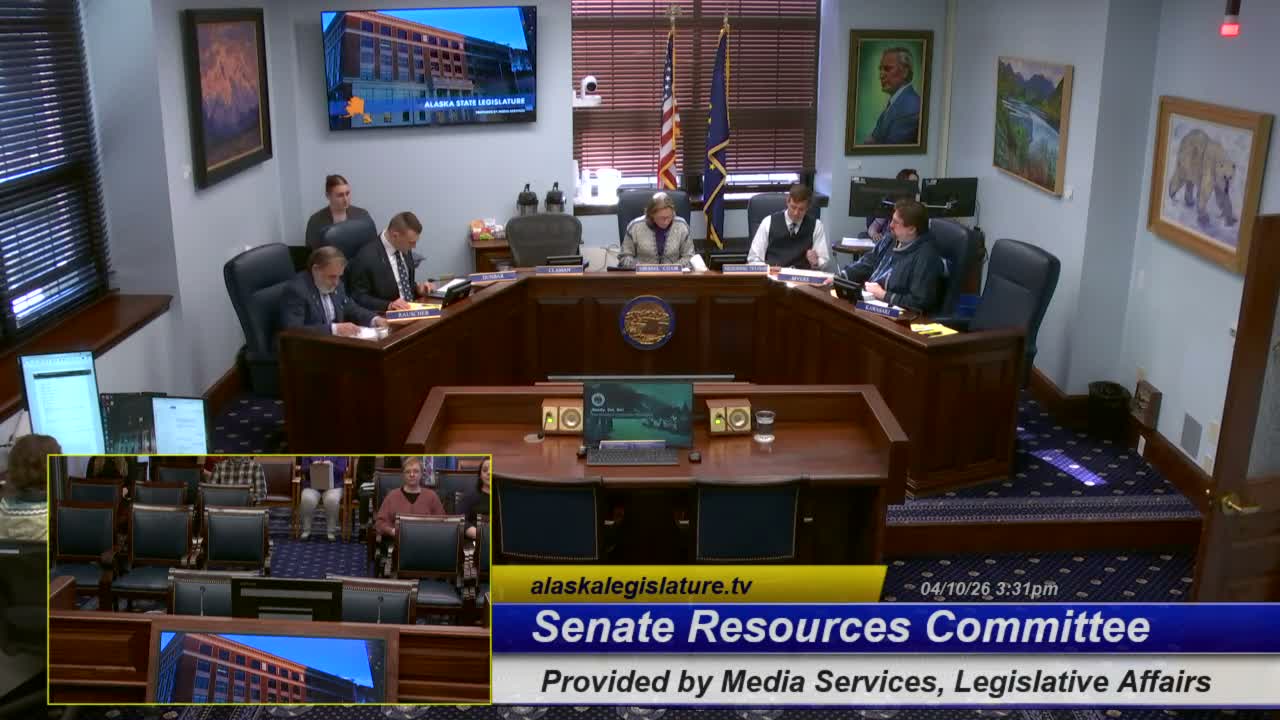
Sarah Lewis, an extension specialist with the University of Alaska Fairbanks Cooperative Extension Service, told the Senate Resources Committee on April 10 that reduced-oxygen packaging increases the risk of botulism when used on low-acid foods and should be treated differently from other potentially hazardous homemade foods.
Lewis said her outreach has grown since Alaska updated its cottage and homemade-food rules, and she noted the state’s review of historical botulism cases. "When you package things in low oxygen environments ... you create a different environment and different bacteria are the problem," Lewis told the committee, explaining that Clostridium botulinum is the primary concern with ROP.
Why it matters: The bill’s language would remove the option of selling some home-canned products if ROP is restricted. Committee members asked whether existing statutory definitions of "potentially hazardous" (cited in committee as AS 17.23.38.10) cover the specific botulism risks posed by ROP and sought clearer, statutory wording that would distinguish time-and-temperature hazards from low-oxygen hazards.
Lewis said Alaska has recorded the 24 botulism cases listed in committee materials and that, to her knowledge, none of those cases were tied to sold homemade foods because such sales were previously prohibited. She explained that pressure canning at sufficient temperatures and pressures is required to inactivate botulism spores, a process typically achievable with pressure canners in home settings but that commercial ROP often relies on industrial procedures that differ markedly from home canning.
Committee members tested the bill’s practical reach with examples. Lewis said jams and jellies are high-acid and not botulism risks even if vacuum sealed; fish and other seafood are not permitted as homemade foods; and freezing or selling chilled products remains allowed under the current framework if they are not placed in reduced-oxygen packaging.
Chair Senator Giesel thanked Lewis for the detailed responses and said the committee had "opened Pandora’s box" with the follow-up questions. The chair set SB 226 aside for additional work and did not take a committee vote on the proposal at this hearing.
The next steps: Committee staff will compile clarifications and follow-up on definitions, FDA registration implications for ROP foods, and statutory language options before the bill returns for further consideration.
Lewis said her outreach has grown since Alaska updated its cottage and homemade-food rules, and she noted the state’s review of historical botulism cases. "When you package things in low oxygen environments ... you create a different environment and different bacteria are the problem," Lewis told the committee, explaining that Clostridium botulinum is the primary concern with ROP.
Why it matters: The bill’s language would remove the option of selling some home-canned products if ROP is restricted. Committee members asked whether existing statutory definitions of "potentially hazardous" (cited in committee as AS 17.23.38.10) cover the specific botulism risks posed by ROP and sought clearer, statutory wording that would distinguish time-and-temperature hazards from low-oxygen hazards.
Lewis said Alaska has recorded the 24 botulism cases listed in committee materials and that, to her knowledge, none of those cases were tied to sold homemade foods because such sales were previously prohibited. She explained that pressure canning at sufficient temperatures and pressures is required to inactivate botulism spores, a process typically achievable with pressure canners in home settings but that commercial ROP often relies on industrial procedures that differ markedly from home canning.
Committee members tested the bill’s practical reach with examples. Lewis said jams and jellies are high-acid and not botulism risks even if vacuum sealed; fish and other seafood are not permitted as homemade foods; and freezing or selling chilled products remains allowed under the current framework if they are not placed in reduced-oxygen packaging.
Chair Senator Giesel thanked Lewis for the detailed responses and said the committee had "opened Pandora’s box" with the follow-up questions. The chair set SB 226 aside for additional work and did not take a committee vote on the proposal at this hearing.
The next steps: Committee staff will compile clarifications and follow-up on definitions, FDA registration implications for ROP foods, and statutory language options before the bill returns for further consideration.
View the Full Meeting & All Its Details
This article offers just a summary. Unlock complete video, transcripts, and insights as a Founder Member.
✓
Watch full, unedited meeting videos
✓
Search every word spoken in unlimited transcripts
✓
AI summaries & real-time alerts (all government levels)
✓
Permanent access to expanding government content
30-day money-back guarantee
