Naples council opens path to put moving municipal elections to November before voters
March 16, 2026 | Naples, Collier County, Florida
This article was created by AI summarizing key points discussed. AI makes mistakes, so for full details and context, please refer to the video of the full meeting. Please report any errors so we can fix them. Report an error »
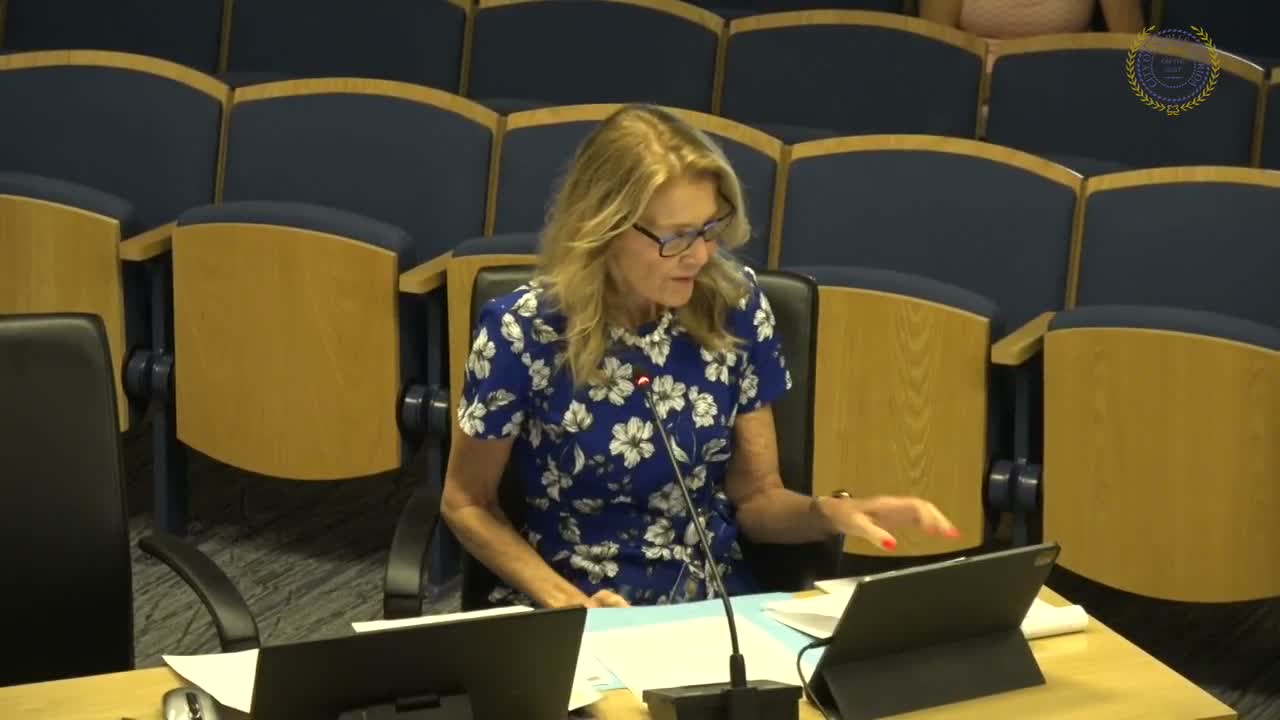
City staff told the City Council at its March 16 workshop that moving Naples’ municipal elections to an on-cycle November ballot would likely raise turnout and cut the city’s election costs. Deputy city clerk Patricia Rambosk summarized input from the Collier County supervisor of elections showing November turnout in Naples at roughly 73–87 percent in recent general elections while off-cycle municipal contests drew 27–39 percent turnout.
The supervisor of elections also told staff that the county would not charge the city to administer municipal races if they were placed on a county November ballot, and that early voting would be available at no additional city cost. Rambosk said the city paid about $47,073.91 to the supervisor for the last stand‑alone municipal election and that consolidating elections could eliminate that expense.
Council members acknowledged the potential gains in participation and the fiscal benefit but voiced concerns about trade‑offs: longer general election ballots could reduce visibility for local races and some residents worry increased partisan activity during big election cycles could change the local nonpartisan character. Rambosk flagged statutory and procedural complications, too — notably that changing the election date will require charter language and could shorten or lengthen terms for some current or future officeholders depending on how transition wording is drafted.
Public commentators urged the council to move ahead, citing doubled turnout in other Florida cities that shifted on‑cycle and the value of early‑voting access. Several council members said they preferred putting a single question before voters this year — whether to move the election — and then addressing transition language later, while others suggested pairing the change with clear, vetted term‑adjustment language so voters see a complete package.
Council gave staff direction to prepare referendum language and to return with options and schedule implications; staff said the supervisor of elections requires ordinance language and a deadline in mid‑June to place a question on an August or primary ballot this year and confirmed there are additional windows next year if council wants more time for voter education. The council emphasized that any charter change would go to the voters for final approval and that the city attorney would draft and vet transition language before a referendum is placed on a ballot.
If council proceeds, the next step is staff drafting proposed referendum questions and a recommended calendar for public outreach so voters can decide whether Naples should move municipal elections on cycle.
The supervisor of elections also told staff that the county would not charge the city to administer municipal races if they were placed on a county November ballot, and that early voting would be available at no additional city cost. Rambosk said the city paid about $47,073.91 to the supervisor for the last stand‑alone municipal election and that consolidating elections could eliminate that expense.
Council members acknowledged the potential gains in participation and the fiscal benefit but voiced concerns about trade‑offs: longer general election ballots could reduce visibility for local races and some residents worry increased partisan activity during big election cycles could change the local nonpartisan character. Rambosk flagged statutory and procedural complications, too — notably that changing the election date will require charter language and could shorten or lengthen terms for some current or future officeholders depending on how transition wording is drafted.
Public commentators urged the council to move ahead, citing doubled turnout in other Florida cities that shifted on‑cycle and the value of early‑voting access. Several council members said they preferred putting a single question before voters this year — whether to move the election — and then addressing transition language later, while others suggested pairing the change with clear, vetted term‑adjustment language so voters see a complete package.
Council gave staff direction to prepare referendum language and to return with options and schedule implications; staff said the supervisor of elections requires ordinance language and a deadline in mid‑June to place a question on an August or primary ballot this year and confirmed there are additional windows next year if council wants more time for voter education. The council emphasized that any charter change would go to the voters for final approval and that the city attorney would draft and vet transition language before a referendum is placed on a ballot.
If council proceeds, the next step is staff drafting proposed referendum questions and a recommended calendar for public outreach so voters can decide whether Naples should move municipal elections on cycle.
View the Full Meeting & All Its Details
This article offers just a summary. Unlock complete video, transcripts, and insights as a Founder Member.
✓
Watch full, unedited meeting videos
✓
Search every word spoken in unlimited transcripts
✓
AI summaries & real-time alerts (all government levels)
✓
Permanent access to expanding government content
30-day money-back guarantee
