Committee approves measure to change Medicaid payments for ambulatory surgical centers to expand access
March 18, 2026 | 2026 Legislature LA, Louisiana
This article was created by AI summarizing key points discussed. AI makes mistakes, so for full details and context, please refer to the video of the full meeting. Please report any errors so we can fix them. Report an error »
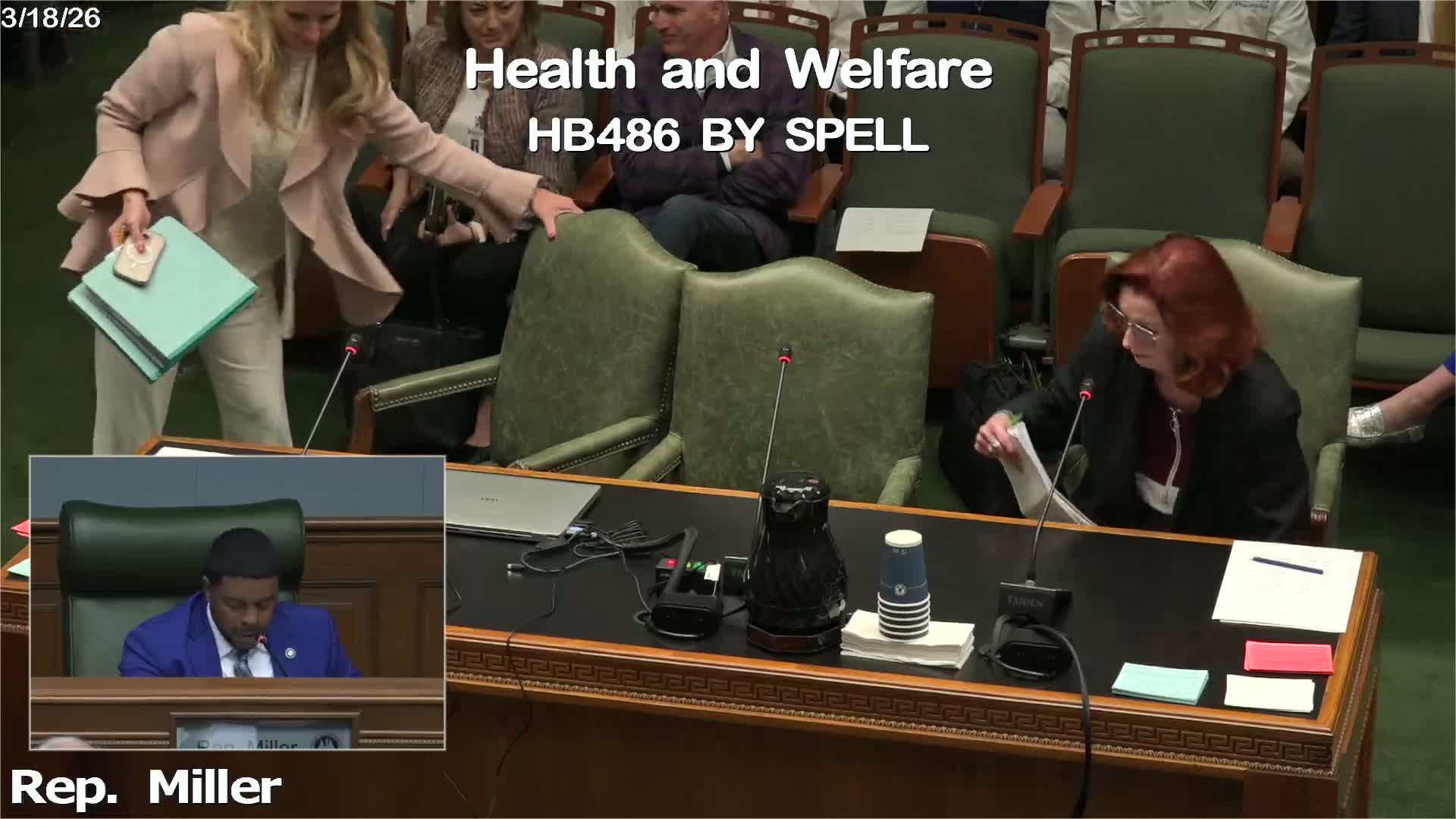
Representative Echols presented House Bill 198 to create a fairer reimbursement methodology for ambulatory surgical centers (ASCs) serving Medicaid patients. Echols said aligning ASC payments to a Medicare‑based approach will enable ASCs to accept more Medicaid patients and reduce long wait times for procedures such as colonoscopies.
ASC managers described the economics in concrete terms: Andy Waldo said the current Medicaid reimbursement (he cited $182.30 for a representative code) does not cover basic operating costs and forces procedures into hospital outpatient departments where capacity is limited. Larry Burgess, who manages multi‑specialty ASC operations, said Medicare‑level payment gives providers the financial ability to open panels and expand access in rural parishes.
The committee considered several committee‑originating amendment sets (including numbers 1919 and 1735) that clarified reimbursable procedures (adding certain dental and ENT procedures and ophthalmology in committee) and specified that reimbursement should be the lesser of the outpatient hospital rate or the Medicaid rate. Those amendments were adopted. Sponsor Echols also offered technical clarifications aimed at removing a fiscal note by narrowing the reimbursement trigger.
After a series of supportive public comments and questions, the committee reported HB 198 favorably with amendments. The clerk announced the bill as "reported favorable with amendments;" the transcript records no roll‑call tally.
Supporters argued the change would reduce downstream costs by increasing preventive and timely specialty care. Questions from members focused on fiscal impacts and whether amendments would eliminate the fiscal note; Echols said he had worked with LDH staff to address technical drivers of the fiscal note and expected to refine those details before floor action.
ASC managers described the economics in concrete terms: Andy Waldo said the current Medicaid reimbursement (he cited $182.30 for a representative code) does not cover basic operating costs and forces procedures into hospital outpatient departments where capacity is limited. Larry Burgess, who manages multi‑specialty ASC operations, said Medicare‑level payment gives providers the financial ability to open panels and expand access in rural parishes.
The committee considered several committee‑originating amendment sets (including numbers 1919 and 1735) that clarified reimbursable procedures (adding certain dental and ENT procedures and ophthalmology in committee) and specified that reimbursement should be the lesser of the outpatient hospital rate or the Medicaid rate. Those amendments were adopted. Sponsor Echols also offered technical clarifications aimed at removing a fiscal note by narrowing the reimbursement trigger.
After a series of supportive public comments and questions, the committee reported HB 198 favorably with amendments. The clerk announced the bill as "reported favorable with amendments;" the transcript records no roll‑call tally.
Supporters argued the change would reduce downstream costs by increasing preventive and timely specialty care. Questions from members focused on fiscal impacts and whether amendments would eliminate the fiscal note; Echols said he had worked with LDH staff to address technical drivers of the fiscal note and expected to refine those details before floor action.
Don't Miss a Word: See the Full Meeting!
Go beyond summaries. Unlock every video, transcript, and key insight with a Founder Membership.
✓
Get instant access to full meeting videos
✓
Search and clip any phrase from complete transcripts
✓
Receive AI-powered summaries & custom alerts
✓
Enjoy lifetime, unrestricted access to government data
30-day money-back guarantee
