Debate on county takeover of municipal water systems paused after municipalities and residents testify
March 31, 2026 | 2026 Legislative Meetings, South Carolina
This article was created by AI summarizing key points discussed. AI makes mistakes, so for full details and context, please refer to the video of the full meeting. Please report any errors so we can fix them. Report an error »
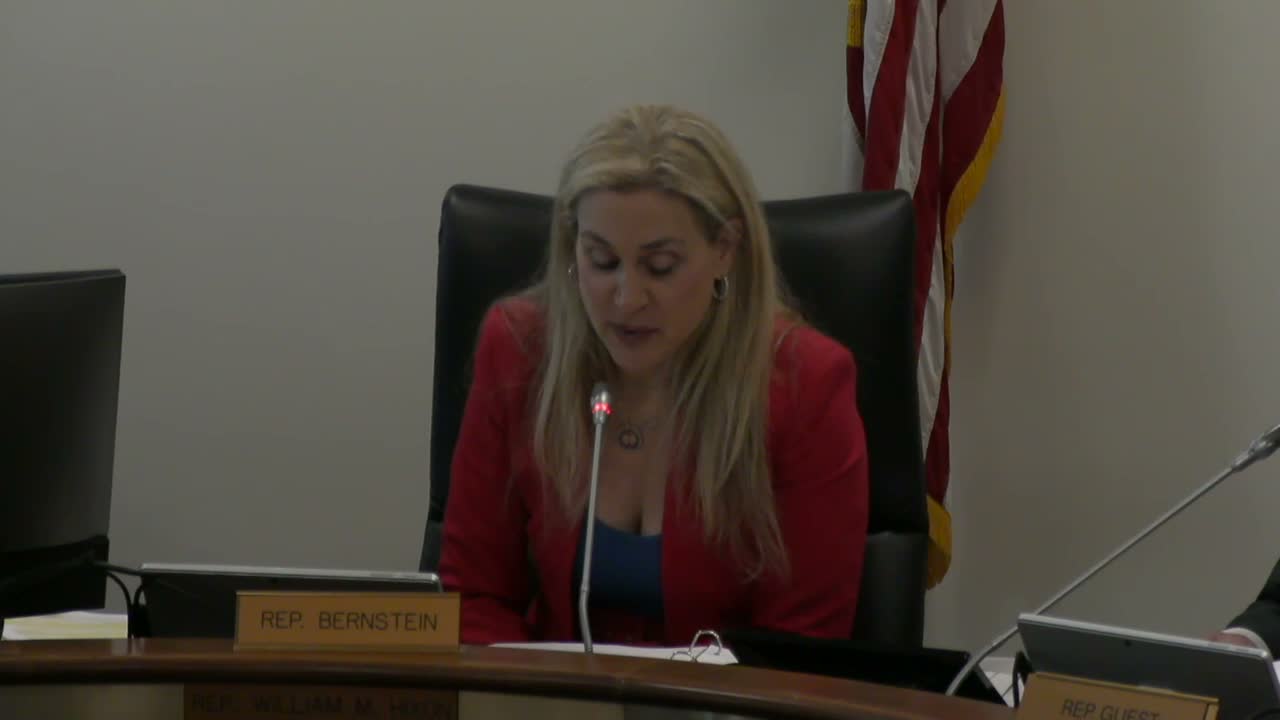
The subcommittee held a lengthy discussion Wednesday on a bill that would allow counties to acquire municipal water and sewer systems within their boundaries after a petition by qualified electors.
Proponents framed the measure as a fix for communities that receive municipal utility service but cannot vote for the municipal council that governs that system. Residents from Summerton described repeated billing errors, misread meters, water quality and service interruptions, and the inability to hold water providers to account because they are not constituents of the town council. "Taxation without representation comes to mind," said Sheena Hartfield, property manager for a Summerton condominium association.
Municipal officials urged caution. Erica Wright of the Municipal Association of South Carolina asked the subcommittee to adjourn debate, warning that a one‑size‑fits‑all statewide law could harm well‑run utilities and undermine municipal autonomy. City of Columbia official Clint Shealy, describing a utility that serves roughly 400,000 customers and about 160,000 meters, said the bill's 40% petition threshold could allow takeover efforts even when utilities are financially sound, and that unclear criteria for "failing systems" could destabilize bond ratings and complicate asset valuation.
Speakers representing affected residents described personal hardship from inaccurate bills (one condo manager said a billing cycle produced a $10,000 charge on multiple building meters) and concerns about fire protection where hydrant‑flow practices reportedly reduce water pressure. After taking testimony from municipal associations, a city official and several residents, Chair Bernstein moved to adjourn debate to allow more study; the motion carried and the meeting was adjourned.
No committee vote on the bill was taken at this hearing.
Proponents framed the measure as a fix for communities that receive municipal utility service but cannot vote for the municipal council that governs that system. Residents from Summerton described repeated billing errors, misread meters, water quality and service interruptions, and the inability to hold water providers to account because they are not constituents of the town council. "Taxation without representation comes to mind," said Sheena Hartfield, property manager for a Summerton condominium association.
Municipal officials urged caution. Erica Wright of the Municipal Association of South Carolina asked the subcommittee to adjourn debate, warning that a one‑size‑fits‑all statewide law could harm well‑run utilities and undermine municipal autonomy. City of Columbia official Clint Shealy, describing a utility that serves roughly 400,000 customers and about 160,000 meters, said the bill's 40% petition threshold could allow takeover efforts even when utilities are financially sound, and that unclear criteria for "failing systems" could destabilize bond ratings and complicate asset valuation.
Speakers representing affected residents described personal hardship from inaccurate bills (one condo manager said a billing cycle produced a $10,000 charge on multiple building meters) and concerns about fire protection where hydrant‑flow practices reportedly reduce water pressure. After taking testimony from municipal associations, a city official and several residents, Chair Bernstein moved to adjourn debate to allow more study; the motion carried and the meeting was adjourned.
No committee vote on the bill was taken at this hearing.
View the Full Meeting & All Its Details
This article offers just a summary. Unlock complete video, transcripts, and insights as a Founder Member.
✓
Watch full, unedited meeting videos
✓
Search every word spoken in unlimited transcripts
✓
AI summaries & real-time alerts (all government levels)
✓
Permanent access to expanding government content
30-day money-back guarantee
