"Baby Olivia" bill draws lengthy proponent testimony and questions about age appropriateness and medical accuracy
March 24, 2026 | Education, Senate, Committees, Legislative, Ohio
This article was created by AI summarizing key points discussed. AI makes mistakes, so for full details and context, please refer to the video of the full meeting. Please report any errors so we can fix them. Report an error »
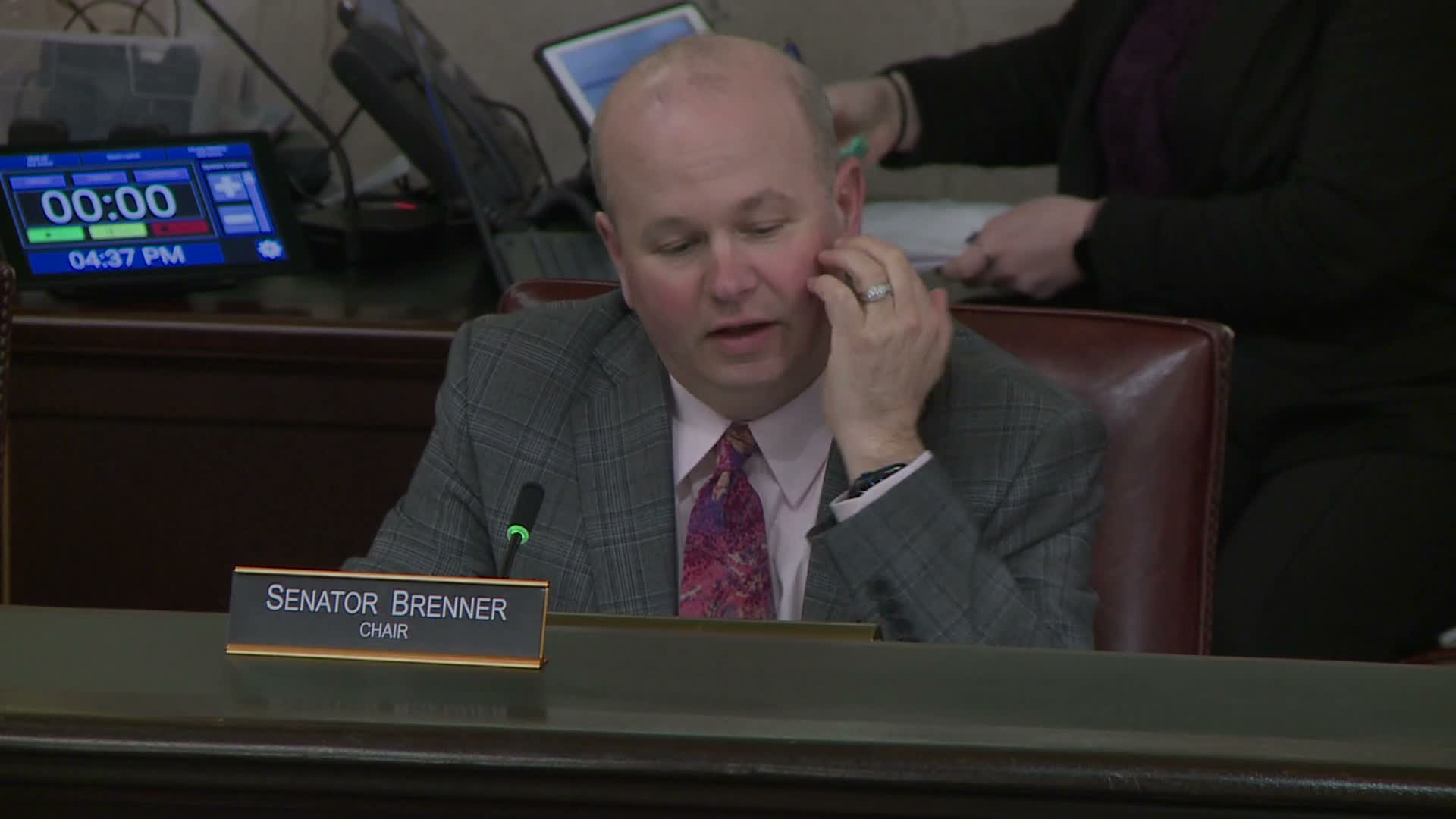
The Senate Education Committee heard hours of proponent testimony on House Bill 485, the "Baby Olivia" Act, which would require Ohio public schools to show a high‑definition ultrasound and a three‑minute prenatal‑development video to students in grades five through twelve, with a parental opt‑out provision.
Dr. William Lyle, a board‑certified obstetrician‑gynecologist, testified the "Meet Baby Olivia" video accurately depicts embryonic and fetal development and uses conception age as its reference point. He said the video is a valuable educational resource and encouraged committee members to view it. "The Baby Olivia video is a valuable educational resource... providing accurate, evidence based information that is essential in equipping individuals to make informed decisions," he told the committee.
Proponents from Right to Life organizations—including Kate Macra and Katie DeLand—urged passage and emphasized a parental‑opt‑out safeguard. Kate Macra said the bill corrects a gap in Ohio's science standards by teaching human prenatal development and cited other states that have adopted similar laws.
Several senators pressed witnesses on age appropriateness and the potential for emotional impact. Senator Smith read a statement from the American College of Obstetricians and Gynecologists that said the video was "designed to manipulate the emotions of the viewers rather than share evidence based scientific information about embryonic and fetal development." Witnesses disputed that characterization and the proponents pointed to endorsements from some medical and professional groups; senators discussed whether presenting the material annually to students in grades 5–12 could blunt its effect.
Sponsor and proponent testimony stressed educational intent, parental notification and opt‑out, and options for schools to choose among approved videos. No committee vote was recorded during the second hearing.
What happens next: The committee concluded the second hearing; sponsors and opponents have submitted written testimony. Further committee action (amendment or vote) may follow as lawmakers consider age, curriculum placement, and the range of approved materials.
Dr. William Lyle, a board‑certified obstetrician‑gynecologist, testified the "Meet Baby Olivia" video accurately depicts embryonic and fetal development and uses conception age as its reference point. He said the video is a valuable educational resource and encouraged committee members to view it. "The Baby Olivia video is a valuable educational resource... providing accurate, evidence based information that is essential in equipping individuals to make informed decisions," he told the committee.
Proponents from Right to Life organizations—including Kate Macra and Katie DeLand—urged passage and emphasized a parental‑opt‑out safeguard. Kate Macra said the bill corrects a gap in Ohio's science standards by teaching human prenatal development and cited other states that have adopted similar laws.
Several senators pressed witnesses on age appropriateness and the potential for emotional impact. Senator Smith read a statement from the American College of Obstetricians and Gynecologists that said the video was "designed to manipulate the emotions of the viewers rather than share evidence based scientific information about embryonic and fetal development." Witnesses disputed that characterization and the proponents pointed to endorsements from some medical and professional groups; senators discussed whether presenting the material annually to students in grades 5–12 could blunt its effect.
Sponsor and proponent testimony stressed educational intent, parental notification and opt‑out, and options for schools to choose among approved videos. No committee vote was recorded during the second hearing.
What happens next: The committee concluded the second hearing; sponsors and opponents have submitted written testimony. Further committee action (amendment or vote) may follow as lawmakers consider age, curriculum placement, and the range of approved materials.
View the Full Meeting & All Its Details
This article offers just a summary. Unlock complete video, transcripts, and insights as a Founder Member.
✓
Watch full, unedited meeting videos
✓
Search every word spoken in unlimited transcripts
✓
AI summaries & real-time alerts (all government levels)
✓
Permanent access to expanding government content
30-day money-back guarantee
