Nevada analyst lays out Allegiant Stadium model and economic projections as lessons for Hawaii
March 13, 2026 | Senate, Legislative , Hawaii
This article was created by AI summarizing key points discussed. AI makes mistakes, so for full details and context, please refer to the video of the full meeting. Please report any errors so we can fix them. Report an error »
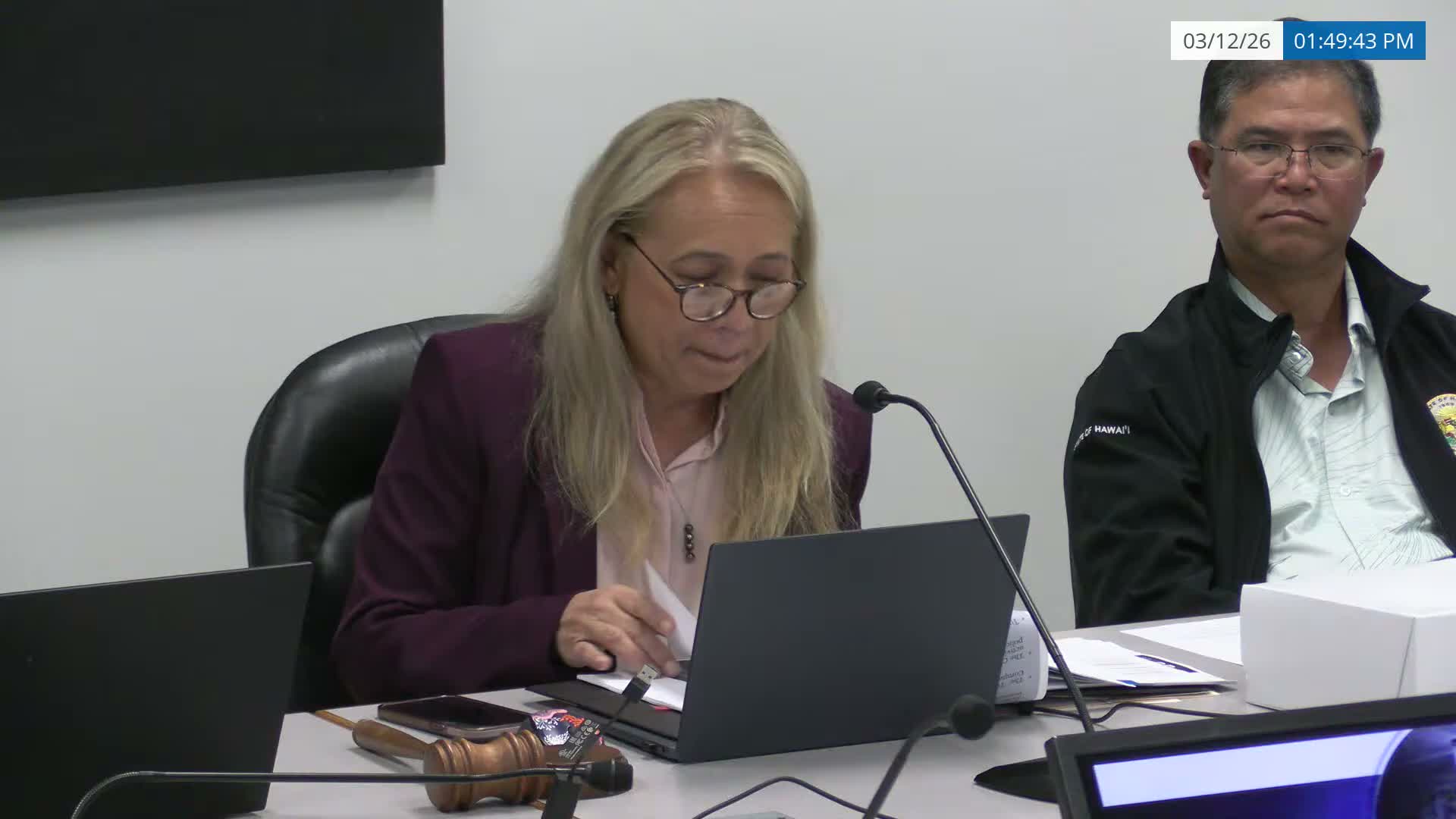
Jermaine Aguerro of Applied Analysis told the Senate tourism and gaming working group on March 12 that Las Vegas'style tourism-leveraging assets—stadiums or large venues combined with gaming and hotels—can produce sizable economic output but must be modeled to local conditions.
"At the outset, it was a jobs bill," Aguerro said of the Allegiant Stadium effort in Nevada. He reviewed the Nevada process (a tourism infrastructure committee, special-session legislation including Senate Bill 1 and Assembly Bill 1) and the implementation timeline that led from committee recommendations to construction. Aguerro said the public-private package and community-benefit provisions were central to getting the project approved.
Aguerro presented outcome figures for Allegiant Stadium and related investments: actual attendance grew to about 4.4 million (versus an initial projection of 1.9 million), incremental visitation outpaced projections, and the broader economic output for the studied period reached roughly $5.6 billion with $2.1 billion in wages and about 33,000 jobs. He said the stadium became one of the highest-grossing venues worldwide and materially increased ticket-tax (live entertainment tax) receipts used for general-fund purposes.
Members asked detailed questions about assumptions: whether projections are location-agnostic, the dependence on hotel-room supply and airport volume, what resort size and gaming-floor assumptions were used, and how much out-of-state spending could realistically be recaptured. Aguerro said his team used an agnostic model to illustrate scale and offered to provide the underlying schedule of rates, unit mixes and stabilization-year assumptions to the committee.
Aguerro cautioned that Hawaii differs structurally from Las Vegas (fewer hotel rooms, smaller drive-market) but said a well-programmed asset paired with infrastructure and community benefits can drive incremental visitors, stabilize seasonality and increase per-visitor spending. He urged the committee to design public-private partnerships with transparency, independent oversight and workforce/community-benefit provisions.
The working group requested follow-up material, including the model'ing assumptions, the mix of units used in projections and state-specific tax-rate applications. The chair closed the session and said the group will continue to refine options for the legislature.
"At the outset, it was a jobs bill," Aguerro said of the Allegiant Stadium effort in Nevada. He reviewed the Nevada process (a tourism infrastructure committee, special-session legislation including Senate Bill 1 and Assembly Bill 1) and the implementation timeline that led from committee recommendations to construction. Aguerro said the public-private package and community-benefit provisions were central to getting the project approved.
Aguerro presented outcome figures for Allegiant Stadium and related investments: actual attendance grew to about 4.4 million (versus an initial projection of 1.9 million), incremental visitation outpaced projections, and the broader economic output for the studied period reached roughly $5.6 billion with $2.1 billion in wages and about 33,000 jobs. He said the stadium became one of the highest-grossing venues worldwide and materially increased ticket-tax (live entertainment tax) receipts used for general-fund purposes.
Members asked detailed questions about assumptions: whether projections are location-agnostic, the dependence on hotel-room supply and airport volume, what resort size and gaming-floor assumptions were used, and how much out-of-state spending could realistically be recaptured. Aguerro said his team used an agnostic model to illustrate scale and offered to provide the underlying schedule of rates, unit mixes and stabilization-year assumptions to the committee.
Aguerro cautioned that Hawaii differs structurally from Las Vegas (fewer hotel rooms, smaller drive-market) but said a well-programmed asset paired with infrastructure and community benefits can drive incremental visitors, stabilize seasonality and increase per-visitor spending. He urged the committee to design public-private partnerships with transparency, independent oversight and workforce/community-benefit provisions.
The working group requested follow-up material, including the model'ing assumptions, the mix of units used in projections and state-specific tax-rate applications. The chair closed the session and said the group will continue to refine options for the legislature.
View the Full Meeting & All Its Details
This article offers just a summary. Unlock complete video, transcripts, and insights as a Founder Member.
✓
Watch full, unedited meeting videos
✓
Search every word spoken in unlimited transcripts
✓
AI summaries & real-time alerts (all government levels)
✓
Permanent access to expanding government content
30-day money-back guarantee
