House advances bill to ban physician noncompetes after heated debate over rural hospitals
March 25, 2026 | 2026 Legislative Meetings, South Carolina
This article was created by AI summarizing key points discussed. AI makes mistakes, so for full details and context, please refer to the video of the full meeting. Please report any errors so we can fix them. Report an error »
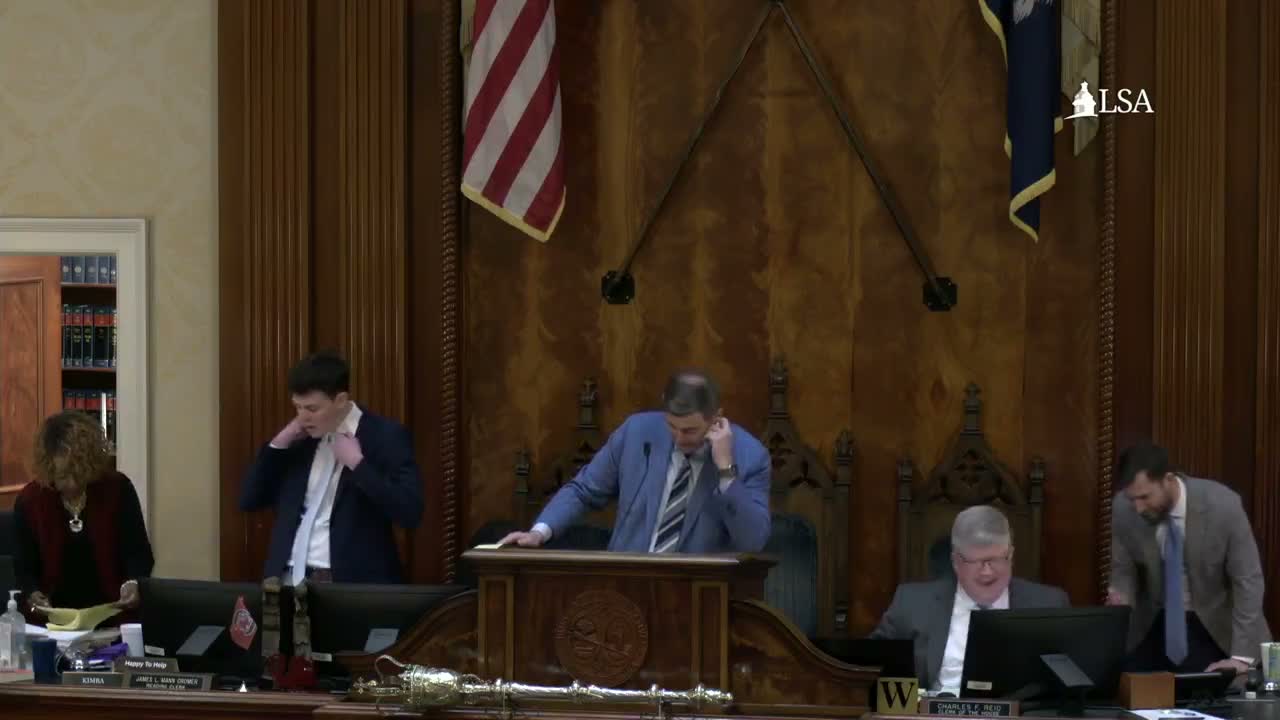
The South Carolina House of Representatives debated and advanced House Bill 47‑67 on March 25, a contested measure that would prohibit employers from enforcing noncompete clauses in physicians' employment contracts while preserving employers' ability to recoup certain documented costs such as relocation, training or signing bonuses.
Chairlady Davis presented the bill and described it as a tool to recruit and retain physicians amid a projected shortage. "This bill prohibits noncompete clauses in physician employment contracts, declaring them void and against public policy for interfering with the patient freedom of choice," Davis said, and outlined clawback provisions that allow employers to recover specified investments if a physician departs before an agreed period.
Representative Bamberg, a longtime advocate for rural counties, argued the change would help recruit younger doctors who are reluctant to accept restrictive contracts early in their careers. "Young doctors ... don't want to be locked down," he said, urging support for the bill as a way to bring medical talent to underserved areas.
Rural representatives pressed hard on the opposing view. Representative Yao offered an amendment to restrict the noncompete prohibition to hospitals owned and operated by the state; he described the amendment as a way to test the change without exposing private rural hospitals to added risk. That amendment (Amendment No. 1) was brought to the floor and rejected in roll calls recorded during the session.
Members raised other concerns about rural hospital viability, including potential patient‑base losses and the ability of small hospitals to recoup investments if physicians leave. Supporters countered that existing noncompetes have not solved rural recruitment issues and that the bill's clawback protections and other contractual safeguards (nonsolicitation, protection of trade secrets) would limit unintended harms.
The clerk recorded the final floor tabulations rejecting the amendment and later recorded the second‑reading vote on the bill. The House gave the bill a second reading by recorded vote (the clerk announced the tabulation 65 to 50), allowing the measure to advance in the legislative process; final passage and any subsequent amendments were not recorded in this transcript.
Why it matters: supporters frame the bill as a recruitment tool responding to a projected physician shortfall; opponents — particularly from rural districts — warned the change could destabilize fragile rural hospital finances and patient access if physicians and specialty practices depart. The transcript shows the issue split members geographically as well as ideologically, and that the bill includes specific employer protections intended to reduce employer risk.
Chairlady Davis presented the bill and described it as a tool to recruit and retain physicians amid a projected shortage. "This bill prohibits noncompete clauses in physician employment contracts, declaring them void and against public policy for interfering with the patient freedom of choice," Davis said, and outlined clawback provisions that allow employers to recover specified investments if a physician departs before an agreed period.
Representative Bamberg, a longtime advocate for rural counties, argued the change would help recruit younger doctors who are reluctant to accept restrictive contracts early in their careers. "Young doctors ... don't want to be locked down," he said, urging support for the bill as a way to bring medical talent to underserved areas.
Rural representatives pressed hard on the opposing view. Representative Yao offered an amendment to restrict the noncompete prohibition to hospitals owned and operated by the state; he described the amendment as a way to test the change without exposing private rural hospitals to added risk. That amendment (Amendment No. 1) was brought to the floor and rejected in roll calls recorded during the session.
Members raised other concerns about rural hospital viability, including potential patient‑base losses and the ability of small hospitals to recoup investments if physicians leave. Supporters countered that existing noncompetes have not solved rural recruitment issues and that the bill's clawback protections and other contractual safeguards (nonsolicitation, protection of trade secrets) would limit unintended harms.
The clerk recorded the final floor tabulations rejecting the amendment and later recorded the second‑reading vote on the bill. The House gave the bill a second reading by recorded vote (the clerk announced the tabulation 65 to 50), allowing the measure to advance in the legislative process; final passage and any subsequent amendments were not recorded in this transcript.
Why it matters: supporters frame the bill as a recruitment tool responding to a projected physician shortfall; opponents — particularly from rural districts — warned the change could destabilize fragile rural hospital finances and patient access if physicians and specialty practices depart. The transcript shows the issue split members geographically as well as ideologically, and that the bill includes specific employer protections intended to reduce employer risk.
View the Full Meeting & All Its Details
This article offers just a summary. Unlock complete video, transcripts, and insights as a Founder Member.
✓
Watch full, unedited meeting videos
✓
Search every word spoken in unlimited transcripts
✓
AI summaries & real-time alerts (all government levels)
✓
Permanent access to expanding government content
30-day money-back guarantee
