Portland Fish Exchange reports small profit, clarifies lumping pay and insurance
March 12, 2026 | Portland, Cumberland County, Maine
This article was created by AI summarizing key points discussed. AI makes mistakes, so for full details and context, please refer to the video of the full meeting. Please report any errors so we can fix them. Report an error »
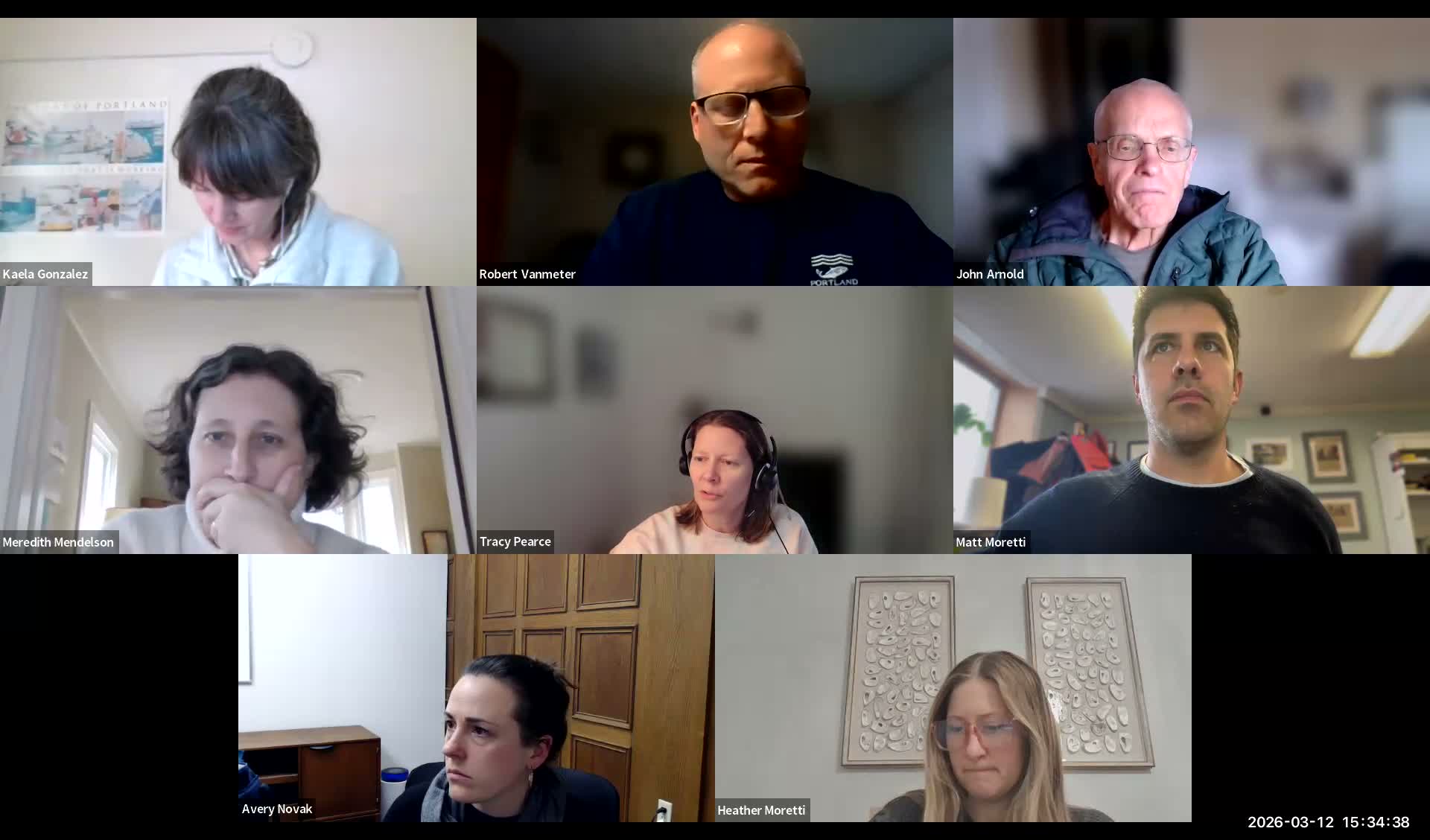
The Portland Fish Exchange subcommittee heard a manager’s report on landings and finances and sought clarity on how the exchange handles lumping — the practice of exchange employees boarding vessels to help unload fish.
Manager Robert told the committee the exchange posted a net income of “a positive $4,670” for the period and that receivables and cash-reserve actions left the organization with a variance of roughly $22,525 versus budget. He also summarized auction activity: £204,480 landed in the period, about £110,800 sold during normal bidding, £70,000 were sold after-auction and £23,656 were refused by sellers and returned to boats.
Why it matters: the exchange’s short-term liquidity and its cost structure determine whether it can maintain operations through seasonal swings in landings. Board members pressed the manager for better visibility into labor costs tied to lumping and for assurance that insurance covers employees who go onto vessels.
On lumping, Robert said the exchange runs the service for boats and that the lumping fee “comes out of the settlement that we do with the boat,” with the employee receiving the lumping pay. He told the group the exchange’s coverage is “a stevedore insurance. It covers them on the boat actively working for business for the Portland Fish Exchange.”
Some board members worried that using regular crew to lump could reduce the exchange’s ability to meet auction schedules during busy periods and described perceptions that crew members were “double dipping” by receiving both base wages and lumping fees. Meredith said board members should examine how many hours are spent lumping and whether part-time calls or scheduling changes could address capacity gaps.
Robert said the exchange has redundancy in operations (he named Alex and Cody as backups) and that he calls in part-time employees as needed; he also offered to provide lumping-sheets and the fixed-cost schedule to members for a clearer picture of frequency and hours.
The committee took no formal action on lumping at the meeting but requested follow-up data. The subcommittee approved the January minutes and set a next meeting for April 9.
Manager Robert told the committee the exchange posted a net income of “a positive $4,670” for the period and that receivables and cash-reserve actions left the organization with a variance of roughly $22,525 versus budget. He also summarized auction activity: £204,480 landed in the period, about £110,800 sold during normal bidding, £70,000 were sold after-auction and £23,656 were refused by sellers and returned to boats.
Why it matters: the exchange’s short-term liquidity and its cost structure determine whether it can maintain operations through seasonal swings in landings. Board members pressed the manager for better visibility into labor costs tied to lumping and for assurance that insurance covers employees who go onto vessels.
On lumping, Robert said the exchange runs the service for boats and that the lumping fee “comes out of the settlement that we do with the boat,” with the employee receiving the lumping pay. He told the group the exchange’s coverage is “a stevedore insurance. It covers them on the boat actively working for business for the Portland Fish Exchange.”
Some board members worried that using regular crew to lump could reduce the exchange’s ability to meet auction schedules during busy periods and described perceptions that crew members were “double dipping” by receiving both base wages and lumping fees. Meredith said board members should examine how many hours are spent lumping and whether part-time calls or scheduling changes could address capacity gaps.
Robert said the exchange has redundancy in operations (he named Alex and Cody as backups) and that he calls in part-time employees as needed; he also offered to provide lumping-sheets and the fixed-cost schedule to members for a clearer picture of frequency and hours.
The committee took no formal action on lumping at the meeting but requested follow-up data. The subcommittee approved the January minutes and set a next meeting for April 9.
View the Full Meeting & All Its Details
This article offers just a summary. Unlock complete video, transcripts, and insights as a Founder Member.
✓
Watch full, unedited meeting videos
✓
Search every word spoken in unlimited transcripts
✓
AI summaries & real-time alerts (all government levels)
✓
Permanent access to expanding government content
30-day money-back guarantee
