House passes bill making knowing entry into opposite-sex public restrooms a crime after hours of debate
March 16, 2026 | Legislative, Idaho
This article was created by AI summarizing key points discussed. AI makes mistakes, so for full details and context, please refer to the video of the full meeting. Please report any errors so we can fix them. Report an error »
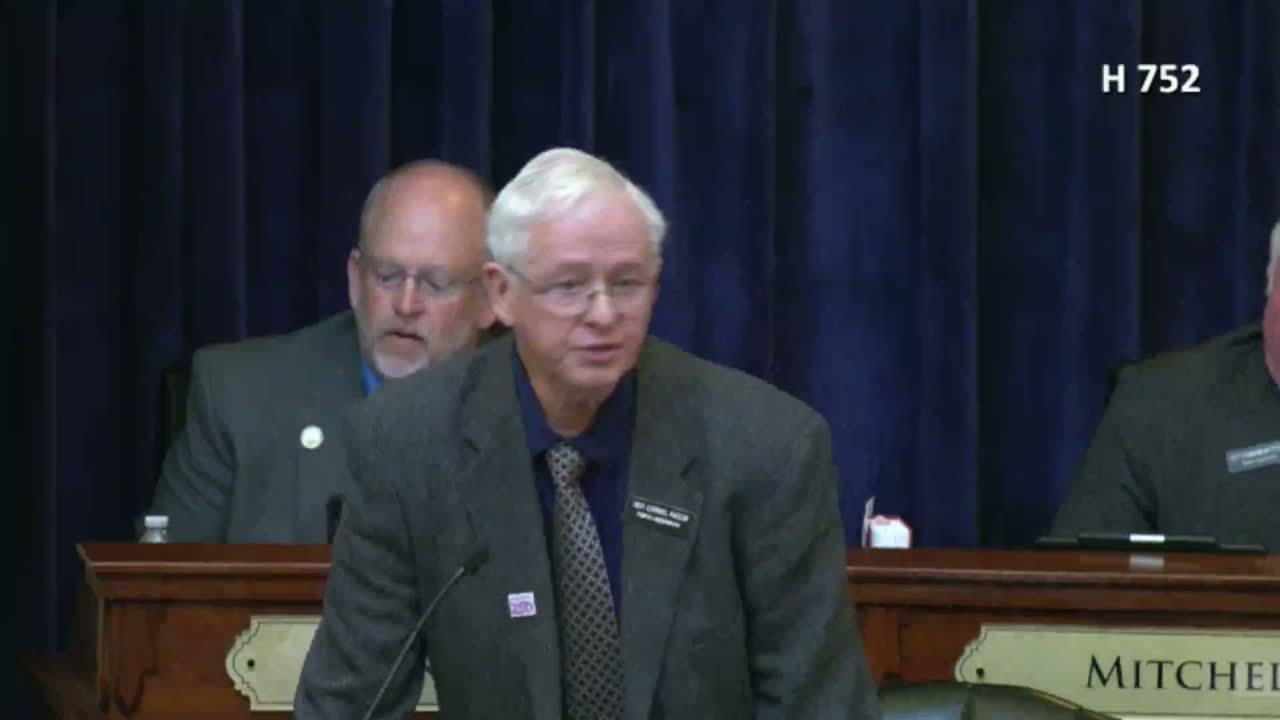
The Idaho House on March 16 passed House Bill 7-52, which prohibits knowingly and willfully entering an opposite-sex designated government or public restroom or changing room and establishes graduated penalties and exceptions for maintenance, medical aid and law enforcement.
The bill’s sponsor described the measure as a protection for “the privacy, safety, and dignity, especially for women and girls,” and said it narrowly tailors exceptions for maintenance and emergency situations. The sponsor told colleagues the measure aligned with prior state policy and had been reviewed with a prosecuting attorney to ensure enforceability.
Opponents on the floor argued the bill risks criminalizing fear or perceived psychological harm rather than requiring proof of an underlying criminal act. One lawmaker warned, “Being scared is the crime,” and said the measure creates a slippery standard by turning subjective fear into a prosecutable offense. Several members noted existing statutes—indecent exposure, video voyeurism, assault, battery and criminal trespass—already address many privacy-violating acts in restrooms, and questioned whether a new crime was necessary.
Debaters also raised enforcement concerns. A member asked whether the provision recognizing a conviction under a “similar statute in another state” would amount to adjudicating another state’s law; the sponsor replied it is a recognition of a comparable conviction, not adjudication. Backers emphasized the bill targets “knowing, willful, intentional” acts rather than mistaken entry and said committee amendments clarified exceptions such as incontinence and accidental entry.
Transgender rights and public-safety tradeoffs were central to the floor exchanges. Lawmakers opposed to the measure warned it could disproportionately affect transgender people and cited research they said shows no evidence that allowing transgender people to use restrooms consistent with their gender causes harm; sponsors countered that the bill is aimed at intentional misconduct and cited victim-protection letters and law-enforcement concerns gathered in committee.
After extended debate and roll-call processing, the House closed debate and recorded adoption of the measure. The bill’s text, as introduced, amends Idaho Code to add the prohibited entry offense with enumerated exceptions; implementation, penalties and next steps will follow the regular process as the measure moves toward the Senate.
The House closed debate and recorded passage; the clerk’s minutes note the bill passed and will be transmitted to the Senate for further consideration.
The bill’s sponsor described the measure as a protection for “the privacy, safety, and dignity, especially for women and girls,” and said it narrowly tailors exceptions for maintenance and emergency situations. The sponsor told colleagues the measure aligned with prior state policy and had been reviewed with a prosecuting attorney to ensure enforceability.
Opponents on the floor argued the bill risks criminalizing fear or perceived psychological harm rather than requiring proof of an underlying criminal act. One lawmaker warned, “Being scared is the crime,” and said the measure creates a slippery standard by turning subjective fear into a prosecutable offense. Several members noted existing statutes—indecent exposure, video voyeurism, assault, battery and criminal trespass—already address many privacy-violating acts in restrooms, and questioned whether a new crime was necessary.
Debaters also raised enforcement concerns. A member asked whether the provision recognizing a conviction under a “similar statute in another state” would amount to adjudicating another state’s law; the sponsor replied it is a recognition of a comparable conviction, not adjudication. Backers emphasized the bill targets “knowing, willful, intentional” acts rather than mistaken entry and said committee amendments clarified exceptions such as incontinence and accidental entry.
Transgender rights and public-safety tradeoffs were central to the floor exchanges. Lawmakers opposed to the measure warned it could disproportionately affect transgender people and cited research they said shows no evidence that allowing transgender people to use restrooms consistent with their gender causes harm; sponsors countered that the bill is aimed at intentional misconduct and cited victim-protection letters and law-enforcement concerns gathered in committee.
After extended debate and roll-call processing, the House closed debate and recorded adoption of the measure. The bill’s text, as introduced, amends Idaho Code to add the prohibited entry offense with enumerated exceptions; implementation, penalties and next steps will follow the regular process as the measure moves toward the Senate.
The House closed debate and recorded passage; the clerk’s minutes note the bill passed and will be transmitted to the Senate for further consideration.
Don't Miss a Word: See the Full Meeting!
Go beyond summaries. Unlock every video, transcript, and key insight with a Founder Membership.
✓
Get instant access to full meeting videos
✓
Search and clip any phrase from complete transcripts
✓
Receive AI-powered summaries & custom alerts
✓
Enjoy lifetime, unrestricted access to government data
30-day money-back guarantee
