Panel advances bill to curb surreptitious recording by smart glasses and other wearables
March 24, 2026 | California State Senate, Senate, Legislative, California
This article was created by AI summarizing key points discussed. AI makes mistakes, so for full details and context, please refer to the video of the full meeting. Please report any errors so we can fix them. Report an error »
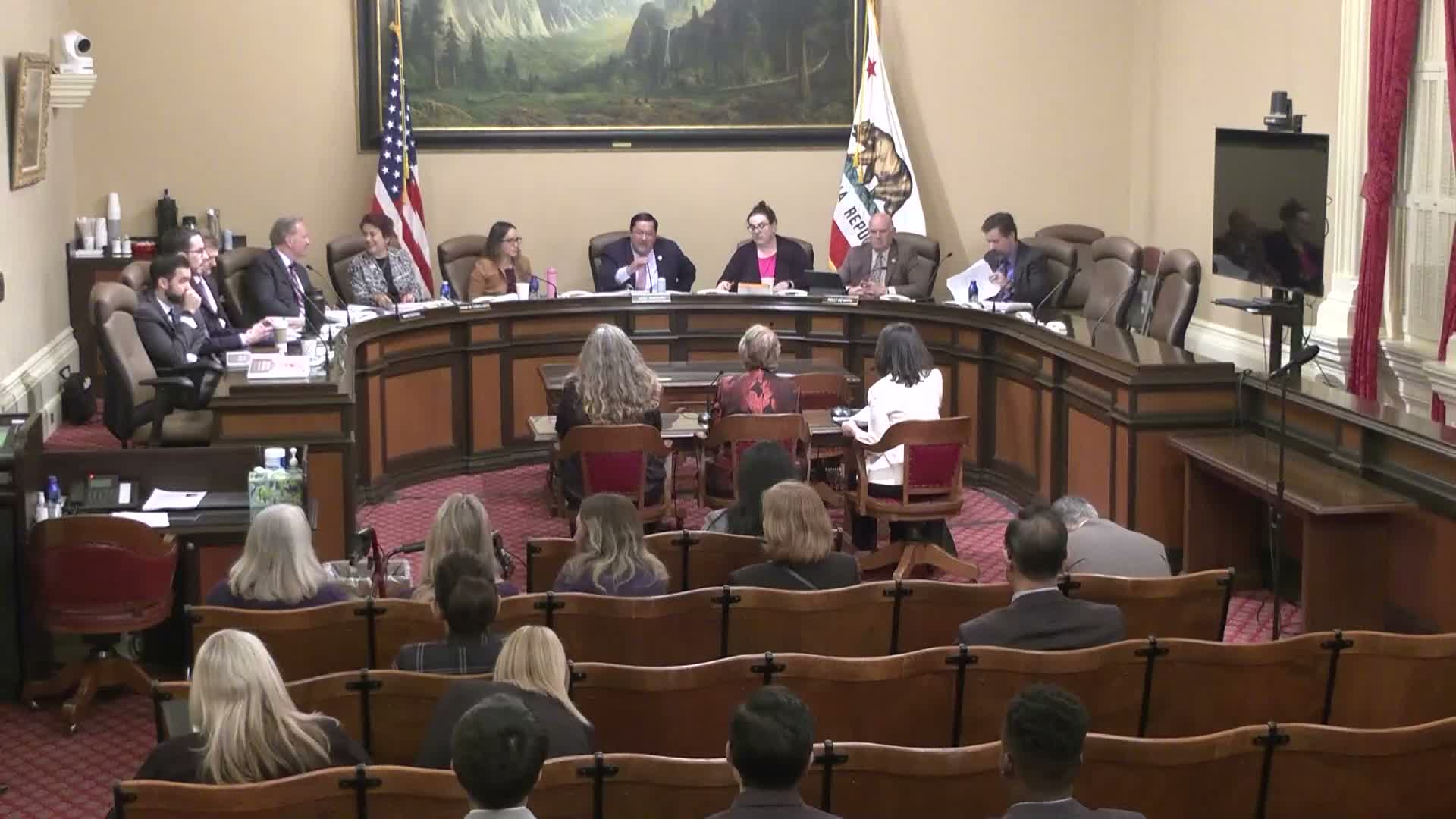
Senator Reyes presented SB 11 30 as an update to California privacy law intended to address wearable recording devices such as smart glasses and other body-worn recorders. The committee voted to move the bill to Rules with negotiated amendments.
Experts and advocates said wearables make surreptitious recording easier and more pervasive. Catherine Crump, a UC Berkeley law professor, noted rapid sales of smart glasses and argued that disabling an indicator light deceives people and makes nonconsensual recording more likely. Consumer Reports’ Becca Kramer cited reporting on social-media influencers secretly filming workers and consumers, and urged clear guardrails.
Industry and business groups expressed concerns about new liability structures. Robert Boykin of TechNet and Ronak Dilami of the CalChamber urged aligning the bill with existing wiretapping and eavesdropping statutes and warned the draft could impose disproportionate liability on manufacturers and businesses. The author and committee negotiated changes that reduced certain criminal penalties to misdemeanors and shifted manufacturer penalties into the Business and Professions Code as civil penalties.
Senators questioned how the bill distinguishes wearables from handheld devices and how to craft definitions that avoid unintended consequences for common products. The author said definitions will be tightened. With committee amendments addressing penalties and manufacturer language, SB 11 30 was passed out to Rules for further consideration.
Experts and advocates said wearables make surreptitious recording easier and more pervasive. Catherine Crump, a UC Berkeley law professor, noted rapid sales of smart glasses and argued that disabling an indicator light deceives people and makes nonconsensual recording more likely. Consumer Reports’ Becca Kramer cited reporting on social-media influencers secretly filming workers and consumers, and urged clear guardrails.
Industry and business groups expressed concerns about new liability structures. Robert Boykin of TechNet and Ronak Dilami of the CalChamber urged aligning the bill with existing wiretapping and eavesdropping statutes and warned the draft could impose disproportionate liability on manufacturers and businesses. The author and committee negotiated changes that reduced certain criminal penalties to misdemeanors and shifted manufacturer penalties into the Business and Professions Code as civil penalties.
Senators questioned how the bill distinguishes wearables from handheld devices and how to craft definitions that avoid unintended consequences for common products. The author said definitions will be tightened. With committee amendments addressing penalties and manufacturer language, SB 11 30 was passed out to Rules for further consideration.
Don't Miss a Word: See the Full Meeting!
Go beyond summaries. Unlock every video, transcript, and key insight with a Founder Membership.
✓
Get instant access to full meeting videos
✓
Search and clip any phrase from complete transcripts
✓
Receive AI-powered summaries & custom alerts
✓
Enjoy lifetime, unrestricted access to government data
30-day money-back guarantee
