Commerce briefs committee on Renaissance Zone and TIF use; lawmakers press for more rural outreach
March 17, 2026 | 2026 Legislature ND, North Dakota
This article was created by AI summarizing key points discussed. AI makes mistakes, so for full details and context, please refer to the video of the full meeting. Please report any errors so we can fix them. Report an error »
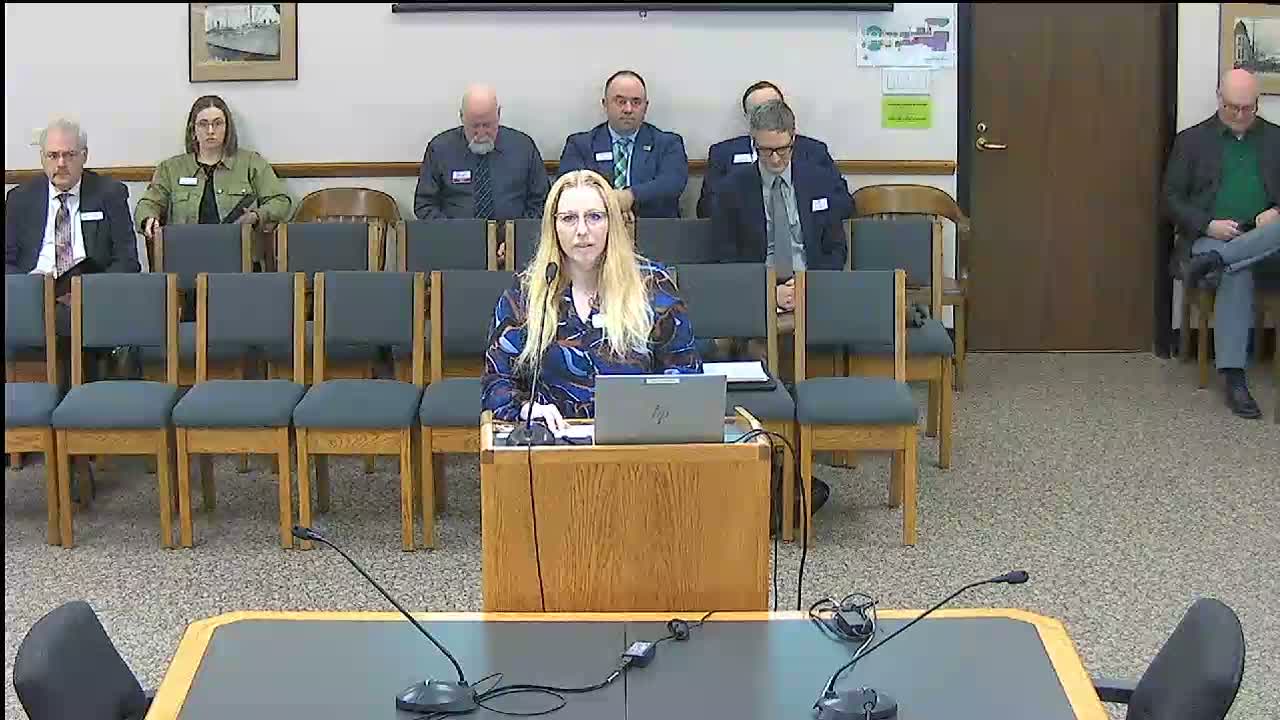
The Department of Commerce told the Tax Reform and Relief Advisory Committee that the state’s Renaissance Zone program and local tax increment financing (TIF) districts remain important tools for community revitalization, but legislators urged stronger outreach to small, rural municipalities.
Ricky Rourke, manager of the Renaissance Zone program at the Department of Commerce, said the program—created in 1999—has approved roughly 2,200 projects and generally produces 40–80 completed projects per year. “The Renaissance Zone program is a locally driven tool that helps cities revitalize their communities,” Rourke told the committee, describing both residential and commercial projects as eligible and noting the program’s emphasis on local control.
Why it matters: Committee members from mostly rural districts said many small towns do not apply because they lack staffing and awareness. Representative Viggasaw and Senator Weber asked what Commerce is doing to educate auditors, mayors and local councils; Rourke said Commerce conducts outreach at League of Cities and Association of Counties conferences, offers office hours, and provides one‑on‑one assistance when communities pursue a development plan.
City case studies: Daniel Naren, planning director for Bismarck, described how his city has used the program to support commercial redevelopment and housing infill. Naren said Bismarck has recorded about $109 million in capital investment tied to Renaissance Zone projects over 25 years and that the city has chosen to retain the original five‑year benefit window rather than adopt the newer eight‑year option available under recent legislative changes.
Don Flaherty, mayor of Ellendale and Dickey County tax director, told the committee that TIF districts have financed infrastructure for economic projects in small communities, including a phased housing program tied to a data‑center project in Ellendale. He said the Ellendale Acres TIF is designed to finance roads, water and sewer for multi‑phase housing needed to house an expected influx of workers.
What the committee may do next: Representative Hedlund, named chair of a new subcommittee to study property tax statements, and other members asked Commerce to return with implementation ideas—particularly options for increasing capacity in towns with fewer than 1,000 residents. Commerce staff said the program has limited dedicated staffing and suggested targeted additional resources could help increase rural uptake.
The committee did not take formal action on the program but asked Commerce to provide follow‑up data on single‑family projects, business names for recent participants and staff‑resource estimates to support more rural outreach. The meeting adjourned for lunch with the agenda moving on to tax and oil‑sector topics.
Ricky Rourke, manager of the Renaissance Zone program at the Department of Commerce, said the program—created in 1999—has approved roughly 2,200 projects and generally produces 40–80 completed projects per year. “The Renaissance Zone program is a locally driven tool that helps cities revitalize their communities,” Rourke told the committee, describing both residential and commercial projects as eligible and noting the program’s emphasis on local control.
Why it matters: Committee members from mostly rural districts said many small towns do not apply because they lack staffing and awareness. Representative Viggasaw and Senator Weber asked what Commerce is doing to educate auditors, mayors and local councils; Rourke said Commerce conducts outreach at League of Cities and Association of Counties conferences, offers office hours, and provides one‑on‑one assistance when communities pursue a development plan.
City case studies: Daniel Naren, planning director for Bismarck, described how his city has used the program to support commercial redevelopment and housing infill. Naren said Bismarck has recorded about $109 million in capital investment tied to Renaissance Zone projects over 25 years and that the city has chosen to retain the original five‑year benefit window rather than adopt the newer eight‑year option available under recent legislative changes.
Don Flaherty, mayor of Ellendale and Dickey County tax director, told the committee that TIF districts have financed infrastructure for economic projects in small communities, including a phased housing program tied to a data‑center project in Ellendale. He said the Ellendale Acres TIF is designed to finance roads, water and sewer for multi‑phase housing needed to house an expected influx of workers.
What the committee may do next: Representative Hedlund, named chair of a new subcommittee to study property tax statements, and other members asked Commerce to return with implementation ideas—particularly options for increasing capacity in towns with fewer than 1,000 residents. Commerce staff said the program has limited dedicated staffing and suggested targeted additional resources could help increase rural uptake.
The committee did not take formal action on the program but asked Commerce to provide follow‑up data on single‑family projects, business names for recent participants and staff‑resource estimates to support more rural outreach. The meeting adjourned for lunch with the agenda moving on to tax and oil‑sector topics.
Don't Miss a Word: See the Full Meeting!
Go beyond summaries. Unlock every video, transcript, and key insight with a Founder Membership.
✓
Get instant access to full meeting videos
✓
Search and clip any phrase from complete transcripts
✓
Receive AI-powered summaries & custom alerts
✓
Enjoy lifetime, unrestricted access to government data
30-day money-back guarantee
