Cities, counties, schools and townships report strain under 3% levy cap; associations ask for technical fixes
March 17, 2026 | 2026 Legislature ND, North Dakota
This article was created by AI summarizing key points discussed. AI makes mistakes, so for full details and context, please refer to the video of the full meeting. Please report any errors so we can fix them. Report an error »
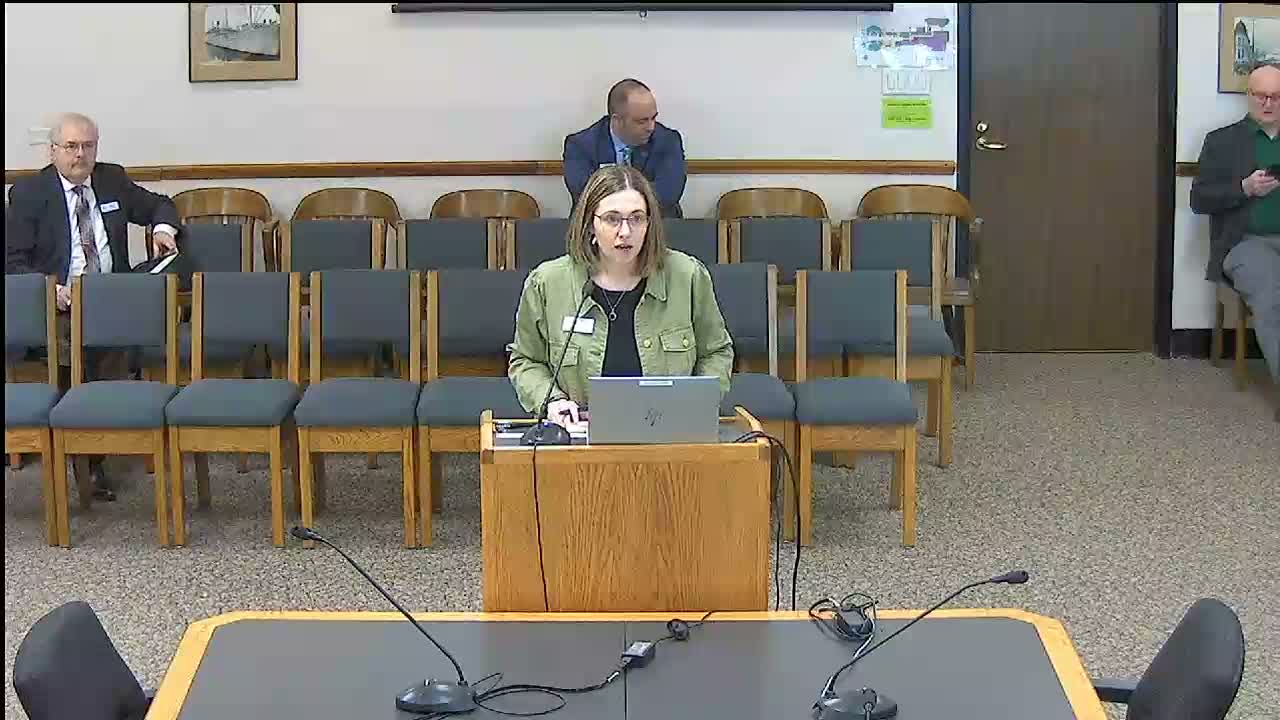
Representatives from city, county, school and township associations told the committee that the new 3% levy‑growth cap in House Bill 1176 has produced widespread implementation questions and fiscal stress in the first year.
Stephanie Ingebretson (League of Cities) said a survey of 70 cities found varied impacts: smaller cities faced much smaller dollar gains from a 3% cap, many deferred capital or equipment purchases, and nearly 83% of respondents were not confident they could meet residents’ needs under the current cap environment over the next five years. "We are seeing costs go up faster than 3%—health insurance, construction and insurance increases are common—so cities are concerned about long‑term fiscal sustainability," she told the committee.
Danelle Presky (Association of Counties) reported that 51 of 53 counties responded to a survey and that 66% used reserves to balance 2026 budgets; counties also cited unanticipated programming and software costs associated with implementation and a statewide 15% increase in NDPERS health premiums that consumed much of the allowable growth. She and Linda Swyjovic (association staff) urged statutory clarifications to allow limited administrative corrections when levy certificates contain obvious errors and to clarify how voter‑approved levies should interact with the cap.
School districts relayed similar concerns. Amy Cook (North Dakota School Boards Association) said districts experienced rising insurance costs and implementation confusion; some districts that historically levied conservatively reported being disadvantaged under a percentage cap because they entered the cap with less unused levy authority.
Township officers warned about interaction between minimum local levies required for state grant eligibility (often 18 mills for certain funds) and local choices to remain below that threshold. Larry Severson (Township Officers Association) said many townships are under 18 mills and that statute changes and the cap have pushed some townships in different directions on levy decisions.
Suggested fixes: Across associations, proposals included exempting certain unavoidable costs (elections, NDPERS health premium increases), clarifying treatment of prior voter‑approved levies, permitting limited administrative corrections for obvious filing errors, adjusting deadlines for preliminary budgets and assessments, and considering indexing the cap to inflation or population to better reflect cost growth.
Committee trajectory: Committee staff will synthesize the common issues and circulating recommendations and the panel said jurisdictions will consider taking local referenda where appropriate. Members signaled willingness to explore technical fixes rather than broad reversals of the cap at this stage.
Stephanie Ingebretson (League of Cities) said a survey of 70 cities found varied impacts: smaller cities faced much smaller dollar gains from a 3% cap, many deferred capital or equipment purchases, and nearly 83% of respondents were not confident they could meet residents’ needs under the current cap environment over the next five years. "We are seeing costs go up faster than 3%—health insurance, construction and insurance increases are common—so cities are concerned about long‑term fiscal sustainability," she told the committee.
Danelle Presky (Association of Counties) reported that 51 of 53 counties responded to a survey and that 66% used reserves to balance 2026 budgets; counties also cited unanticipated programming and software costs associated with implementation and a statewide 15% increase in NDPERS health premiums that consumed much of the allowable growth. She and Linda Swyjovic (association staff) urged statutory clarifications to allow limited administrative corrections when levy certificates contain obvious errors and to clarify how voter‑approved levies should interact with the cap.
School districts relayed similar concerns. Amy Cook (North Dakota School Boards Association) said districts experienced rising insurance costs and implementation confusion; some districts that historically levied conservatively reported being disadvantaged under a percentage cap because they entered the cap with less unused levy authority.
Township officers warned about interaction between minimum local levies required for state grant eligibility (often 18 mills for certain funds) and local choices to remain below that threshold. Larry Severson (Township Officers Association) said many townships are under 18 mills and that statute changes and the cap have pushed some townships in different directions on levy decisions.
Suggested fixes: Across associations, proposals included exempting certain unavoidable costs (elections, NDPERS health premium increases), clarifying treatment of prior voter‑approved levies, permitting limited administrative corrections for obvious filing errors, adjusting deadlines for preliminary budgets and assessments, and considering indexing the cap to inflation or population to better reflect cost growth.
Committee trajectory: Committee staff will synthesize the common issues and circulating recommendations and the panel said jurisdictions will consider taking local referenda where appropriate. Members signaled willingness to explore technical fixes rather than broad reversals of the cap at this stage.
View the Full Meeting & All Its Details
This article offers just a summary. Unlock complete video, transcripts, and insights as a Founder Member.
✓
Watch full, unedited meeting videos
✓
Search every word spoken in unlimited transcripts
✓
AI summaries & real-time alerts (all government levels)
✓
Permanent access to expanding government content
30-day money-back guarantee
