Development Fund, Childcare Loans and Automation Grants Highlighted as Tools to Spur Jobs
March 18, 2026 | 2026 Legislature ND, North Dakota
This article was created by AI summarizing key points discussed. AI makes mistakes, so for full details and context, please refer to the video of the full meeting. Please report any errors so we can fix them. Report an error »
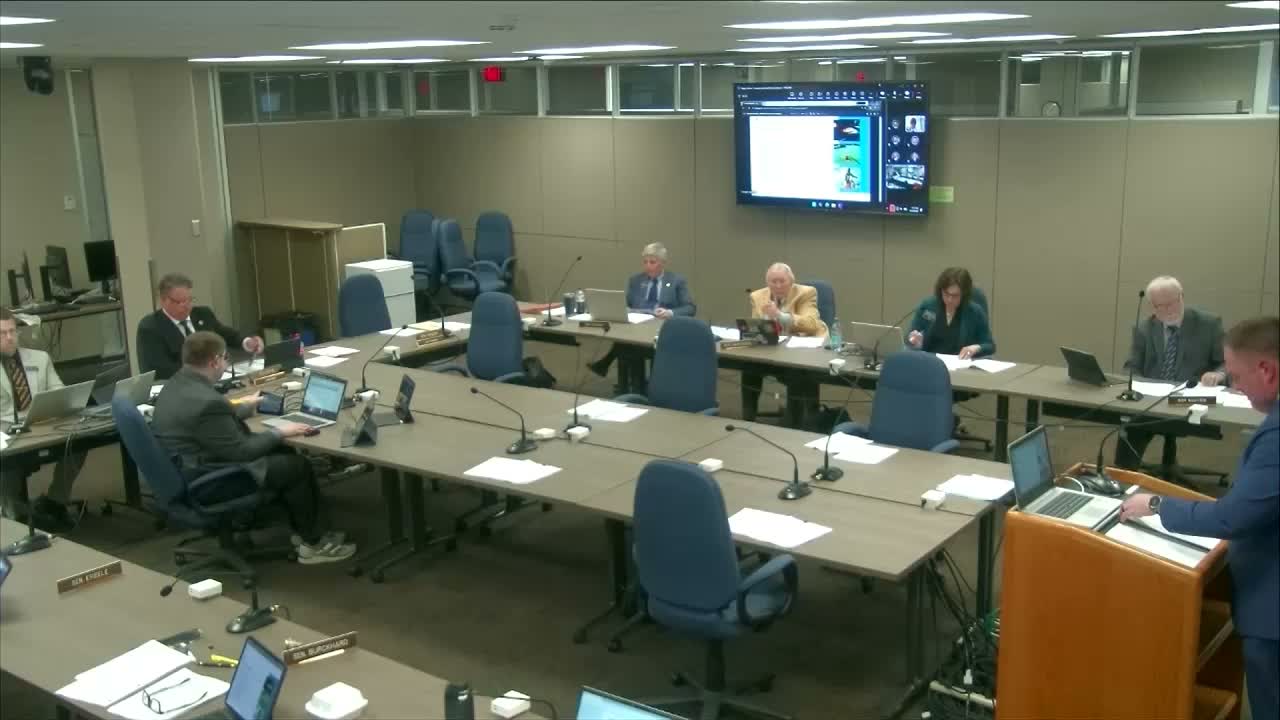
Commissioner Chris Shilken presented a macro picture of the North Dakota Development Fund, describing its role as gap financing intended to catalyze private capital. He told the committee the fund has supported 938 projects and helped create 9,357 jobs since 1991, and said the fund generally limits its participation to no more than 25% of a primary sector deal to preserve meaningful private capital at risk.
Shilken highlighted examples the fund supported: an early $750,000 investment in Red Trail Energy (sold to Gevo in 2025), longer-term support of Packet Digital as it pivoted into battery manufacturing and an example $3 million investment in Valiance to support micro units in the Bakken. He also said Corvent Medical, an assisted-device company, received development-fund support and now employs roughly 30 people in Fargo.
On childcare: the Development Fund administers a low-interest childcare loan program. Shilken said 141 childcare loans historically totaled about $16.6 million and that the fund currently has 43 active childcare loans supporting capacity for about 3,754 children. Deputy Director Shane Naakson told the committee loan interest is statutorily set at 2.5% and that the fund participates with a lead lender (typically at up to 50% of projects above $100,000).
On automation: the Automate ND program, funded with $5 million in ARPA dollars, attracted 42 project requests across 21 communities requesting more than $11.8 million; 17 projects were funded with about $7.1 million private match. Awardees projected labor-hour savings equivalent to roughly 48 full-time positions and reported expectations of improved retention, safety and upskilling.
Why it matters: committee members asked whether these investments show measurable returns to the state and how the fund evaluates acceptable failures. Commissioners said the development fund's role is to catalyze outside financing and that a recent shift focuses the fund more on midstream-to-late-stage investments rather than early-stage angel risk.
Next steps: members asked for performance audit information and for Commerce to provide more formal ROI analyses and underwriting guidelines; Commerce pointed to a recently approved performance audit and said adjustments to underwriting policies and non-primary sector guidelines have been implemented or are forthcoming.
Shilken highlighted examples the fund supported: an early $750,000 investment in Red Trail Energy (sold to Gevo in 2025), longer-term support of Packet Digital as it pivoted into battery manufacturing and an example $3 million investment in Valiance to support micro units in the Bakken. He also said Corvent Medical, an assisted-device company, received development-fund support and now employs roughly 30 people in Fargo.
On childcare: the Development Fund administers a low-interest childcare loan program. Shilken said 141 childcare loans historically totaled about $16.6 million and that the fund currently has 43 active childcare loans supporting capacity for about 3,754 children. Deputy Director Shane Naakson told the committee loan interest is statutorily set at 2.5% and that the fund participates with a lead lender (typically at up to 50% of projects above $100,000).
On automation: the Automate ND program, funded with $5 million in ARPA dollars, attracted 42 project requests across 21 communities requesting more than $11.8 million; 17 projects were funded with about $7.1 million private match. Awardees projected labor-hour savings equivalent to roughly 48 full-time positions and reported expectations of improved retention, safety and upskilling.
Why it matters: committee members asked whether these investments show measurable returns to the state and how the fund evaluates acceptable failures. Commissioners said the development fund's role is to catalyze outside financing and that a recent shift focuses the fund more on midstream-to-late-stage investments rather than early-stage angel risk.
Next steps: members asked for performance audit information and for Commerce to provide more formal ROI analyses and underwriting guidelines; Commerce pointed to a recently approved performance audit and said adjustments to underwriting policies and non-primary sector guidelines have been implemented or are forthcoming.
View the Full Meeting & All Its Details
This article offers just a summary. Unlock complete video, transcripts, and insights as a Founder Member.
✓
Watch full, unedited meeting videos
✓
Search every word spoken in unlimited transcripts
✓
AI summaries & real-time alerts (all government levels)
✓
Permanent access to expanding government content
30-day money-back guarantee
