Bill would force CARB to add granular cost‑of‑living analysis to major rules, prompting debate on capacity and delay
March 18, 2026 | California State Senate, Senate, Legislative, California
This article was created by AI summarizing key points discussed. AI makes mistakes, so for full details and context, please refer to the video of the full meeting. Please report any errors so we can fix them. Report an error »
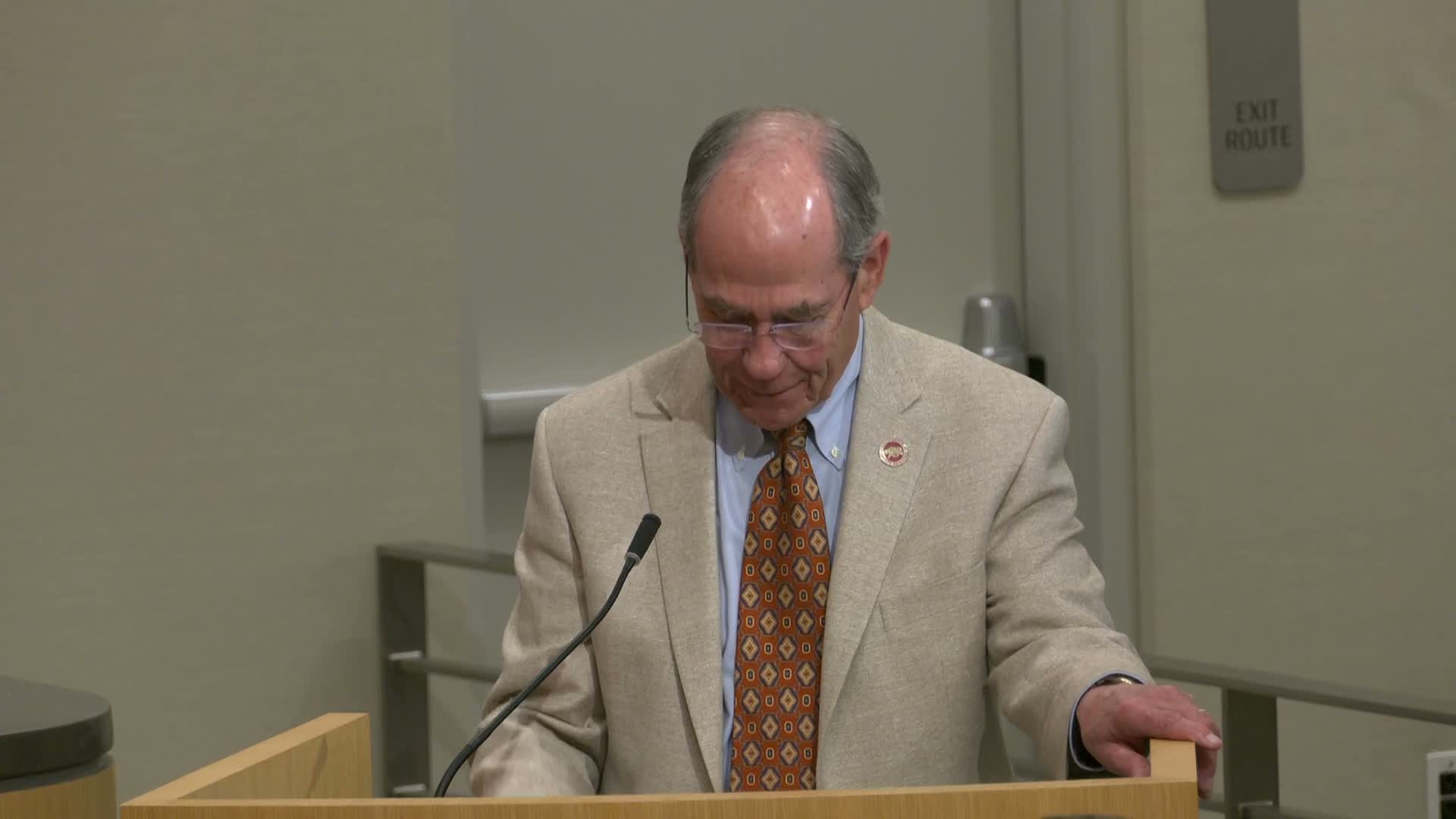
Senator Nilo presented SB 981, which would require the California Air Resources Board to include an analysis of cost‑of‑living effects—such as gasoline, electricity, food, housing and business costs—in its standardized regulatory impact analysis for regulations with $50 million or greater economic impacts.
"It improves the information on which these decisions are made by requiring CARB to analyze how major rules affect gasoline prices, electric bills, food and goods prices, housing costs, and business costs," Nilo said, arguing that greater granularity will help protect low‑ and middle‑income Californians.
Business groups including Western Growers and the California Manufacturers & Technology Association voiced support, saying the bill would illuminate downstream impacts on consumers and businesses. The California Restaurant Association described it as a timely measure to keep regulators and stakeholders informed.
Opponents, including Bill McGovern of the Coalition for Clean Air, said the bill would add expensive, time‑consuming analyses that CARB may not be equipped to perform and that it could delay protective rulemakings. "This bill would add more red tape and delay," McGovern told the committee, arguing that delays would harm public health.
Members questioned CARB’s capacity to perform highly granular consumer‑level modeling and raised the need to compare costs against benefits. Senator Nilo said the state legislature already requires SESA analyses and that the goal is to make impacts more granular to inform policymaking; he argued CARB’s special‑fund status may make funding additional analysis feasible.
The committee took a motion to pass SB 981 to Appropriations; the recorded tally was split and the committee granted reconsideration.
The bill will return for further consideration.
"It improves the information on which these decisions are made by requiring CARB to analyze how major rules affect gasoline prices, electric bills, food and goods prices, housing costs, and business costs," Nilo said, arguing that greater granularity will help protect low‑ and middle‑income Californians.
Business groups including Western Growers and the California Manufacturers & Technology Association voiced support, saying the bill would illuminate downstream impacts on consumers and businesses. The California Restaurant Association described it as a timely measure to keep regulators and stakeholders informed.
Opponents, including Bill McGovern of the Coalition for Clean Air, said the bill would add expensive, time‑consuming analyses that CARB may not be equipped to perform and that it could delay protective rulemakings. "This bill would add more red tape and delay," McGovern told the committee, arguing that delays would harm public health.
Members questioned CARB’s capacity to perform highly granular consumer‑level modeling and raised the need to compare costs against benefits. Senator Nilo said the state legislature already requires SESA analyses and that the goal is to make impacts more granular to inform policymaking; he argued CARB’s special‑fund status may make funding additional analysis feasible.
The committee took a motion to pass SB 981 to Appropriations; the recorded tally was split and the committee granted reconsideration.
The bill will return for further consideration.
View the Full Meeting & All Its Details
This article offers just a summary. Unlock complete video, transcripts, and insights as a Founder Member.
✓
Watch full, unedited meeting videos
✓
Search every word spoken in unlimited transcripts
✓
AI summaries & real-time alerts (all government levels)
✓
Permanent access to expanding government content
30-day money-back guarantee
