State superintendent touts reading gains, backs cell‑phone limits, teacher pay pilots and cybersecurity funding
March 18, 2026 | 2026 Legislative Meetings, South Carolina
This article was created by AI summarizing key points discussed. AI makes mistakes, so for full details and context, please refer to the video of the full meeting. Please report any errors so we can fix them. Report an error »
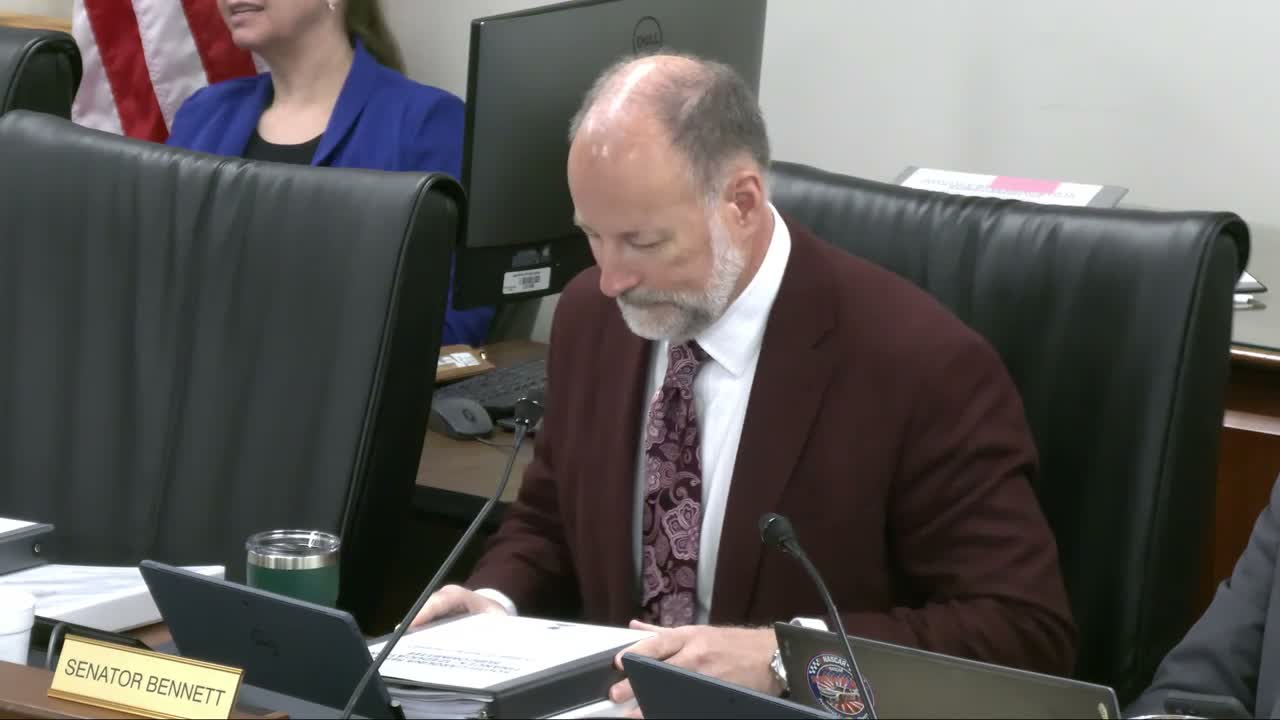
State Superintendent Weaver told the Senate committee that targeted, strategic investments are producing measurable gains and outlined requests for the coming budget. Weaver said the department has adopted a time‑bound goal of having at least 75% of students reading and doing math at or above grade level by 2030 and is studying the economic and lifetime benefits of meeting that goal.
Weaver pointed to reading improvements — including a reported 15% year‑over‑year increase in third‑grade proficiency in pilot grades — and said math is about two years behind reading but improving through the Palmetto math project. She described workforce efforts to recruit and retain teachers: a strategic compensation pilot covered 419 teachers across 37 schools with an average individual award of about $6,200 and several awards exceeding $10,000; Weaver asked the committee for a third year of funding for that pilot and for legislation to create career ladders so strong teachers can advance without leaving the classroom.
On technology and discipline, Weaver said the department is designing a survey to inventory classroom technology use, time-on‑device and costs, and will convene working groups to consider guardrails. “We have performed a wholesale uncontrolled experiment on an entire generation of students,” Weaver said, summarizing the department’s concern about unfettered screen time. She described ongoing research partnerships (including Stanford and a study led by Angela Duckworth) tracking the academic and behavioral impact of the cell‑phone policy and said the department will report back with data to guide possible codification of the policy.
Weaver also requested recurring and nonrecurring funds to build shared services that would provide cybersecurity, financial oversight and other technical functions to small rural districts. She said the department plans to repurpose existing FTEs and adjust salaries to recruit competitive candidates rather than add net new staff.
The presentation covered civics and character education initiatives (including a Palmetto Pioneer Series and an African‑American history calendar), principal leadership programs and a rollout of stackable credentials tied to workforce needs. Weaver closed by noting she had visited all districts and urged continued legislative partnership on funding priorities.
The committee asked clarifying questions about technology use, school‑nurse access during cell‑phone restrictions, the trustee for the Education Scholarship Trust Fund (Weaver said the trustee is the Hobbs Group and that she appoints the trustee), and implementation details for career ladders. Weaver offered to provide the committee requested details on trustee payments and other budget clarifications; the hearing adjourned after her remarks.
Weaver pointed to reading improvements — including a reported 15% year‑over‑year increase in third‑grade proficiency in pilot grades — and said math is about two years behind reading but improving through the Palmetto math project. She described workforce efforts to recruit and retain teachers: a strategic compensation pilot covered 419 teachers across 37 schools with an average individual award of about $6,200 and several awards exceeding $10,000; Weaver asked the committee for a third year of funding for that pilot and for legislation to create career ladders so strong teachers can advance without leaving the classroom.
On technology and discipline, Weaver said the department is designing a survey to inventory classroom technology use, time-on‑device and costs, and will convene working groups to consider guardrails. “We have performed a wholesale uncontrolled experiment on an entire generation of students,” Weaver said, summarizing the department’s concern about unfettered screen time. She described ongoing research partnerships (including Stanford and a study led by Angela Duckworth) tracking the academic and behavioral impact of the cell‑phone policy and said the department will report back with data to guide possible codification of the policy.
Weaver also requested recurring and nonrecurring funds to build shared services that would provide cybersecurity, financial oversight and other technical functions to small rural districts. She said the department plans to repurpose existing FTEs and adjust salaries to recruit competitive candidates rather than add net new staff.
The presentation covered civics and character education initiatives (including a Palmetto Pioneer Series and an African‑American history calendar), principal leadership programs and a rollout of stackable credentials tied to workforce needs. Weaver closed by noting she had visited all districts and urged continued legislative partnership on funding priorities.
The committee asked clarifying questions about technology use, school‑nurse access during cell‑phone restrictions, the trustee for the Education Scholarship Trust Fund (Weaver said the trustee is the Hobbs Group and that she appoints the trustee), and implementation details for career ladders. Weaver offered to provide the committee requested details on trustee payments and other budget clarifications; the hearing adjourned after her remarks.
View the Full Meeting & All Its Details
This article offers just a summary. Unlock complete video, transcripts, and insights as a Founder Member.
✓
Watch full, unedited meeting videos
✓
Search every word spoken in unlimited transcripts
✓
AI summaries & real-time alerts (all government levels)
✓
Permanent access to expanding government content
30-day money-back guarantee
