Committee tables manufactured‑housing bill amid concerns over conversion, consent, taxes and lot sizes
March 17, 2026 | 2026 Legislature ME, Maine
This article was created by AI summarizing key points discussed. AI makes mistakes, so for full details and context, please refer to the video of the full meeting. Please report any errors so we can fix them. Report an error »
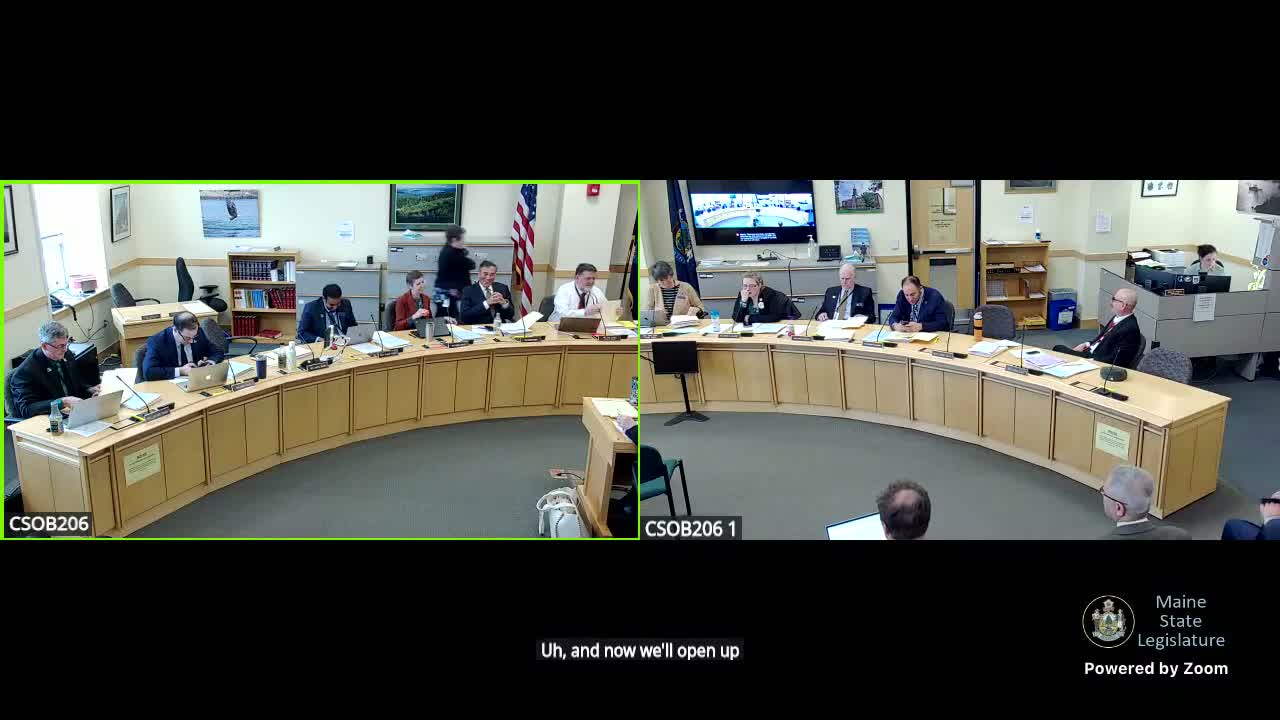
Committee members spent a lengthy session on LD 2231, which would change several aspects of manufactured‑housing law: limits on lot‑rent increases, expanded notice requirements to include homeowner‑association representatives, reductions in some minimum lot sizes depending on sewer/wastewater service, and a new pathway for owners of certain manufactured homes or tiny homes to request cancellation of a certificate of title and have the home treated as real estate for financing and conveyancing purposes.
Analyst Lynn Westfall summarized the drafting changes: owners of larger manufactured homes or tiny homes could request that the Secretary of State issue or cancel a certificate of title, and upon filing the Secretary's cancellation with the registry of deeds "the house is deemed real estate for all purposes." The goal, proponents said, is to improve access to real‑estate type financing and expand options for homeowners.
Deputy Secretary of State Emily Cook told the committee the office rarely receives cancellation requests and would need to consult titles staff on record‑keeping practices; she offered to follow up on whether the Secretary's Office or the homeowner currently records related documents with the registry of deeds.
Stakeholder Greg Payne and others cautioned that lenders want assurance the home will remain sited for the term of the loan and that an owner‑of‑land consent or recorded lease can avoid 'clouded title' and make mortgage underwriting feasible. Payne said lenders and community loan funds in other states have expressed willingness to lend when appropriate documents and long leases are in place.
Members pressed multiple policy implications: whether requiring landowner consent (section 9b) would be limited to an initial conversion or required for subsequent sales; whether deeming a tiny home as real estate would prevent an owner from later re‑treating it as a mobile, titled vehicle; and whether conversion events would trigger both real‑estate transfer tax and sales tax. Committee members and stakeholders suggested adding a targeted exemption from the real‑estate transfer tax for statutory conversions to avoid unintended double taxation.
Senator Donna Bailey and others warned that reducing minimum lot sizes could be used by park owners to reconfigure existing parks and impose costs on residents (address changes, renumbering, utility updates). Staff and panelists said the drafting intention was to affect new development, infill and expansions, not to retroactively shrink existing leased lots, and recommended clear language to that effect.
Given the number and complexity of substantive questions — taxes, who records conversions, the practical effect of section 9b's consent requirement and language in section 10 on inspections — Senator Bailey moved to table LD 2231 to allow additional language review and stakeholder follow‑up. The motion carried; the bill was tabled until Thursday and staff were asked to return with clarified drafting and answers to the recording and tax questions.
The committee did not take a vote on the substantive policy changes at this session.
Analyst Lynn Westfall summarized the drafting changes: owners of larger manufactured homes or tiny homes could request that the Secretary of State issue or cancel a certificate of title, and upon filing the Secretary's cancellation with the registry of deeds "the house is deemed real estate for all purposes." The goal, proponents said, is to improve access to real‑estate type financing and expand options for homeowners.
Deputy Secretary of State Emily Cook told the committee the office rarely receives cancellation requests and would need to consult titles staff on record‑keeping practices; she offered to follow up on whether the Secretary's Office or the homeowner currently records related documents with the registry of deeds.
Stakeholder Greg Payne and others cautioned that lenders want assurance the home will remain sited for the term of the loan and that an owner‑of‑land consent or recorded lease can avoid 'clouded title' and make mortgage underwriting feasible. Payne said lenders and community loan funds in other states have expressed willingness to lend when appropriate documents and long leases are in place.
Members pressed multiple policy implications: whether requiring landowner consent (section 9b) would be limited to an initial conversion or required for subsequent sales; whether deeming a tiny home as real estate would prevent an owner from later re‑treating it as a mobile, titled vehicle; and whether conversion events would trigger both real‑estate transfer tax and sales tax. Committee members and stakeholders suggested adding a targeted exemption from the real‑estate transfer tax for statutory conversions to avoid unintended double taxation.
Senator Donna Bailey and others warned that reducing minimum lot sizes could be used by park owners to reconfigure existing parks and impose costs on residents (address changes, renumbering, utility updates). Staff and panelists said the drafting intention was to affect new development, infill and expansions, not to retroactively shrink existing leased lots, and recommended clear language to that effect.
Given the number and complexity of substantive questions — taxes, who records conversions, the practical effect of section 9b's consent requirement and language in section 10 on inspections — Senator Bailey moved to table LD 2231 to allow additional language review and stakeholder follow‑up. The motion carried; the bill was tabled until Thursday and staff were asked to return with clarified drafting and answers to the recording and tax questions.
The committee did not take a vote on the substantive policy changes at this session.
View the Full Meeting & All Its Details
This article offers just a summary. Unlock complete video, transcripts, and insights as a Founder Member.
✓
Watch full, unedited meeting videos
✓
Search every word spoken in unlimited transcripts
✓
AI summaries & real-time alerts (all government levels)
✓
Permanent access to expanding government content
30-day money-back guarantee
