Panel advances LD 785 to expand tribal representation and tax exemptions; committee directs rulemaking to identify fee lands
March 17, 2026 | 2026 Legislature ME, Maine
This article was created by AI summarizing key points discussed. AI makes mistakes, so for full details and context, please refer to the video of the full meeting. Please report any errors so we can fix them. Report an error »
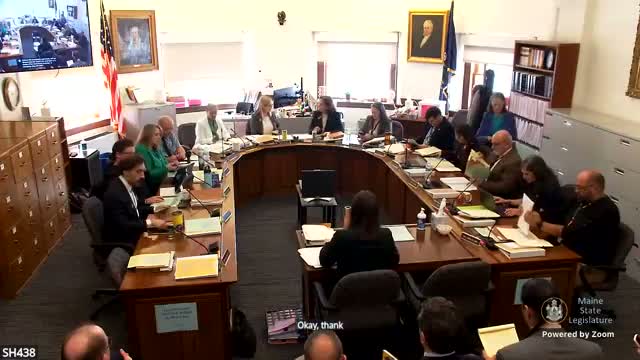
The Joint Standing Committee on the Judiciary on Wednesday advanced LD 785 as amended, a package of measures that would add a Mi'kmaq Nation legislative representative and expand several tax exemptions to better recognize Wabanaki tribal governments and members.
Analyst Janet Stocco told members the amendment would give the Mi'kmaq Nation a representative entitled to salary and allowances equivalent to other members beginning with the 133rd legislature, and would extend state income‑tax exemptions so that enrolled members employed by tribal governments could exclude compensation from Maine taxable income even if they live off tribal land. "So if you are a tribal member residing on tribal land, then your income is tax exempt for Maine purposes. And, also, if you're residing off tribal land but you're a tribal member working for a tribal government, then your income will be exempt," Stocco explained.
The amendment also would expand sales‑tax exemptions tied to tribal lands to certain tribally owned fee parcels and would transfer sales tax collected on those specified parcels monthly to the relevant Wabanaki nation, similar to existing remittance rules for trust lands. Because some tribes are still identifying which fee parcels would be covered, attorneys for the tribes proposed a rulemaking approach under Maine Revenue Services (MRS) that would allow tribes to submit specific parcels later with public notice and guardrails. "The tribes would submit specifically identified lands to MRS," said attorney Corey Hinton, outlining a process with public notice and the ability to update parcels if ownership changes or lands are later put into trust.
The amendment also clarifies a manufactured‑housing exemption so that sales of new manufactured homes to a contractor for installation on tribal land and intended for sale to a tribal government or tribal member are exempt from sales tax — addressing a common practice in which contractors purchase units and tax was passed through to tribal members.
Several tribal leaders and attorneys (including Craig Francis, Corey Albright and Craig Sanborn) and the governor’s counsel (Sherry Reid) spoke in favor of the amendment during the work session, framing the package as pragmatic steps toward economic development, housing opportunities and better parity in state tax treatment. Chief Francis said the changes are important for economic development and individual tribal citizens who work for tribal nations.
Representative Erin Dana moved the committee recommendation that LD 785 "ought to pass as amended;" Senator Talbot Ross seconded. The clerk reported the committee vote as 9 in favor, 4 opposed and 1 absent. The committee directed staff to draft rulemaking language for MRS to identify fee parcels and to include the manufactured‑housing clarifications in the amendment.
Why it matters: The package changes would extend certain state tax benefits to tribal members employed by tribal governments and provide a process to identify tribally owned fee land parcels that qualify for sales‑tax treatment and revenue remittance. Supporters said the measures promote parity and economic development; some members raised questions about narrow tailoring and legislative oversight of the rulemaking approach.
What’s next: Staff will draft the rulemaking and statutory language to codify the parcels and exemptions; the amendment will return for language review before floor action.
Analyst Janet Stocco told members the amendment would give the Mi'kmaq Nation a representative entitled to salary and allowances equivalent to other members beginning with the 133rd legislature, and would extend state income‑tax exemptions so that enrolled members employed by tribal governments could exclude compensation from Maine taxable income even if they live off tribal land. "So if you are a tribal member residing on tribal land, then your income is tax exempt for Maine purposes. And, also, if you're residing off tribal land but you're a tribal member working for a tribal government, then your income will be exempt," Stocco explained.
The amendment also would expand sales‑tax exemptions tied to tribal lands to certain tribally owned fee parcels and would transfer sales tax collected on those specified parcels monthly to the relevant Wabanaki nation, similar to existing remittance rules for trust lands. Because some tribes are still identifying which fee parcels would be covered, attorneys for the tribes proposed a rulemaking approach under Maine Revenue Services (MRS) that would allow tribes to submit specific parcels later with public notice and guardrails. "The tribes would submit specifically identified lands to MRS," said attorney Corey Hinton, outlining a process with public notice and the ability to update parcels if ownership changes or lands are later put into trust.
The amendment also clarifies a manufactured‑housing exemption so that sales of new manufactured homes to a contractor for installation on tribal land and intended for sale to a tribal government or tribal member are exempt from sales tax — addressing a common practice in which contractors purchase units and tax was passed through to tribal members.
Several tribal leaders and attorneys (including Craig Francis, Corey Albright and Craig Sanborn) and the governor’s counsel (Sherry Reid) spoke in favor of the amendment during the work session, framing the package as pragmatic steps toward economic development, housing opportunities and better parity in state tax treatment. Chief Francis said the changes are important for economic development and individual tribal citizens who work for tribal nations.
Representative Erin Dana moved the committee recommendation that LD 785 "ought to pass as amended;" Senator Talbot Ross seconded. The clerk reported the committee vote as 9 in favor, 4 opposed and 1 absent. The committee directed staff to draft rulemaking language for MRS to identify fee parcels and to include the manufactured‑housing clarifications in the amendment.
Why it matters: The package changes would extend certain state tax benefits to tribal members employed by tribal governments and provide a process to identify tribally owned fee land parcels that qualify for sales‑tax treatment and revenue remittance. Supporters said the measures promote parity and economic development; some members raised questions about narrow tailoring and legislative oversight of the rulemaking approach.
What’s next: Staff will draft the rulemaking and statutory language to codify the parcels and exemptions; the amendment will return for language review before floor action.
View the Full Meeting & All Its Details
This article offers just a summary. Unlock complete video, transcripts, and insights as a Founder Member.
✓
Watch full, unedited meeting videos
✓
Search every word spoken in unlimited transcripts
✓
AI summaries & real-time alerts (all government levels)
✓
Permanent access to expanding government content
30-day money-back guarantee
