Planning Commission forwards Wilburton land‑use package to May 1 public hearing after debate over medical‑office designation
April 03, 2024 | Parks and Community Services Board, Bellevue, King County, Washington
This article was created by AI summarizing key points discussed. AI makes mistakes, so for full details and context, please refer to the video of the full meeting. Please report any errors so we can fix them. Report an error »
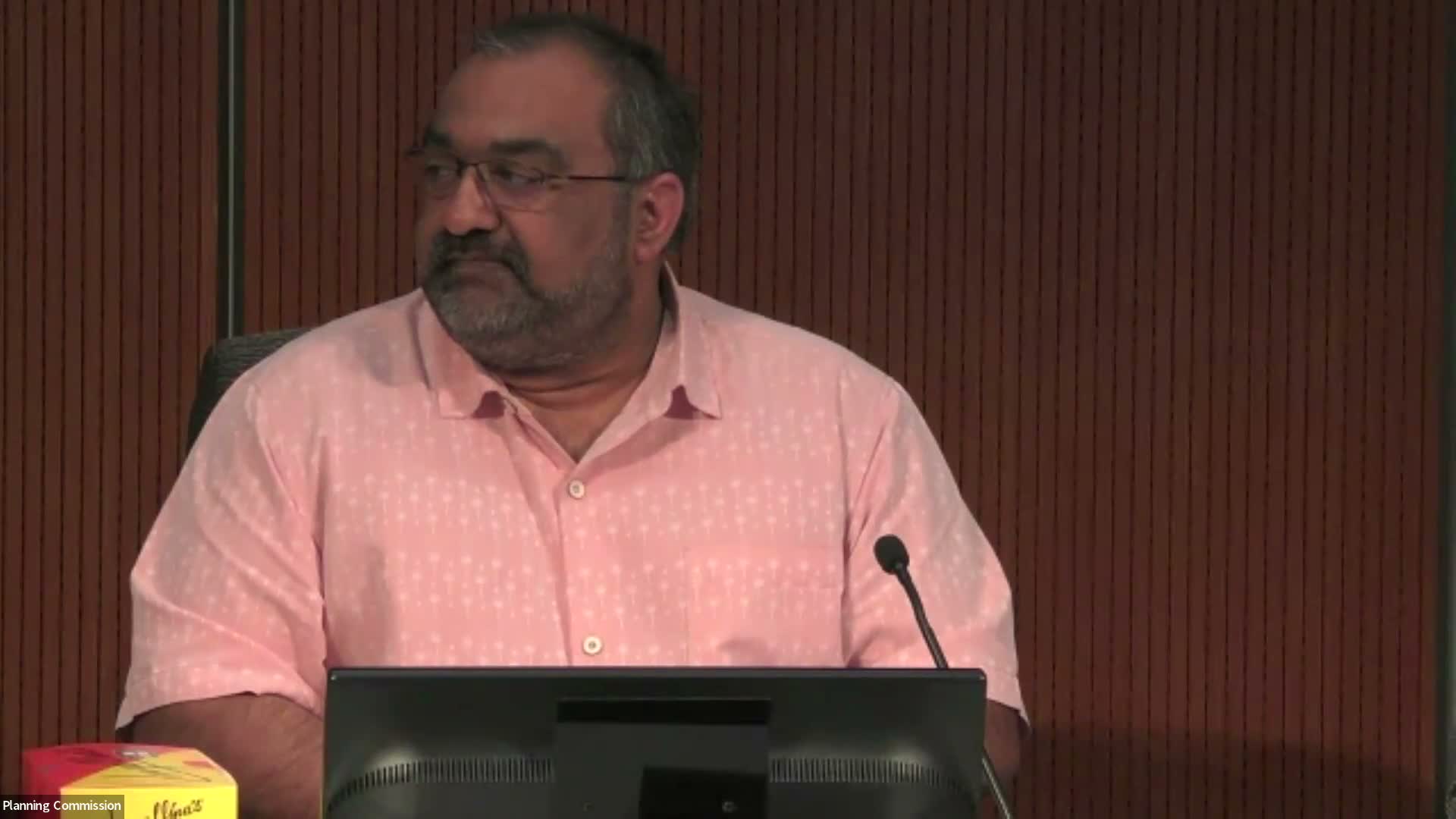
The Bellevue Planning Commission voted April 3 to forward the staff‑recommended Wilburton future land use map and accompanying policy changes to a public hearing on May 1, after a lengthy public‑comment period and commissioners’ debate about whether to reserve a downtown‑adjacent parcel for high‑rise medical and life‑science uses.
Staff had presented the map and supporting analyses, including walk‑sheds, shadow modeling and a rationale for a limited “high‑rise medical office” designation. Corbin Hart, the city’s business development manager, told commissioners the office‑type recommendation was informed by a private‑sector demand projection: “we project about 1,100,000 square feet of medical office demand” as Bellevue’s population and employment grow, and staff argued that some medical and life‑science uses require larger floor plates and utility standards the current code does not easily accommodate.
Speakers in public comment largely supported staff’s preferred alternative and the proposed mixed‑use and higher‑density designations. Developer Steve Kramer said he supported staff’s map and touted transit‑oriented development potential, while housing and nonprofit speakers pushed for stronger affordable‑housing measures and protections for residents near major roadways. Debbie Lacey of Eastside for All urged commissioners to “please prohibit residential building within 500 feet of high‑volume freeways,” citing environmental justice concerns.
Commission debate focused on two tensions: whether the parcel nearest Wilburton Station should prioritize the city’s highest density and mixed‑use activation, or whether a narrowly tailored medical‑office designation was needed to attract “sticky” medical and life‑science institutions. Commissioners questioned whether high‑rise lab or institutional users would realistically locate in a very expensive high‑rise form, whether such uses would deliver lively street‑level activity, and whether limiting a parcel to medical uses might squander the station‑proximate opportunity for housing. Several commissioners asked staff to show best practices and larger corridor context before the hearing.
By the end of deliberations the commission generally endorsed moving the overall package to the public hearing but asked staff to revise the public‑hearing materials: replace the specific high‑rise medical‑office label on the Wilburton‑station parcel with a high‑rise mixed‑use designation for the hearing draft, include comparative examples and additional shadow and market‑feasibility analysis, and explain the prior staff rationale for the medical‑office label. Chair Bhargava summarized the direction as seeking more flexibility and better evidence for any parcel‑level constraints before making a final recommendation to council.
What happens next: staff will publish the public‑hearing packet for the May 1 hearing, including the additional materials requested by commissioners. The commission will hear public testimony and may modify its recommendation before forwarding a final recommendation to the City Council.
Sources: statements and testimony at the April 3 Planning Commission meeting (public comment from Steve Kramer, Kendall Anderegg, Debbie Lacey and others; staff presentation by Janet Scholl and Corbin Hart).
Staff had presented the map and supporting analyses, including walk‑sheds, shadow modeling and a rationale for a limited “high‑rise medical office” designation. Corbin Hart, the city’s business development manager, told commissioners the office‑type recommendation was informed by a private‑sector demand projection: “we project about 1,100,000 square feet of medical office demand” as Bellevue’s population and employment grow, and staff argued that some medical and life‑science uses require larger floor plates and utility standards the current code does not easily accommodate.
Speakers in public comment largely supported staff’s preferred alternative and the proposed mixed‑use and higher‑density designations. Developer Steve Kramer said he supported staff’s map and touted transit‑oriented development potential, while housing and nonprofit speakers pushed for stronger affordable‑housing measures and protections for residents near major roadways. Debbie Lacey of Eastside for All urged commissioners to “please prohibit residential building within 500 feet of high‑volume freeways,” citing environmental justice concerns.
Commission debate focused on two tensions: whether the parcel nearest Wilburton Station should prioritize the city’s highest density and mixed‑use activation, or whether a narrowly tailored medical‑office designation was needed to attract “sticky” medical and life‑science institutions. Commissioners questioned whether high‑rise lab or institutional users would realistically locate in a very expensive high‑rise form, whether such uses would deliver lively street‑level activity, and whether limiting a parcel to medical uses might squander the station‑proximate opportunity for housing. Several commissioners asked staff to show best practices and larger corridor context before the hearing.
By the end of deliberations the commission generally endorsed moving the overall package to the public hearing but asked staff to revise the public‑hearing materials: replace the specific high‑rise medical‑office label on the Wilburton‑station parcel with a high‑rise mixed‑use designation for the hearing draft, include comparative examples and additional shadow and market‑feasibility analysis, and explain the prior staff rationale for the medical‑office label. Chair Bhargava summarized the direction as seeking more flexibility and better evidence for any parcel‑level constraints before making a final recommendation to council.
What happens next: staff will publish the public‑hearing packet for the May 1 hearing, including the additional materials requested by commissioners. The commission will hear public testimony and may modify its recommendation before forwarding a final recommendation to the City Council.
Sources: statements and testimony at the April 3 Planning Commission meeting (public comment from Steve Kramer, Kendall Anderegg, Debbie Lacey and others; staff presentation by Janet Scholl and Corbin Hart).
Don't Miss a Word: See the Full Meeting!
Go beyond summaries. Unlock every video, transcript, and key insight with a Founder Membership.
✓
Get instant access to full meeting videos
✓
Search and clip any phrase from complete transcripts
✓
Receive AI-powered summaries & custom alerts
✓
Enjoy lifetime, unrestricted access to government data
30-day money-back guarantee
