Board of Registered Nursing asks for 8 investigators as complaints rise; lawmakers probe viral complaints and bias
March 12, 2026 | California State Senate, Senate, Legislative, California
This article was created by AI summarizing key points discussed. AI makes mistakes, so for full details and context, please refer to the video of the full meeting. Please report any errors so we can fix them. Report an error »
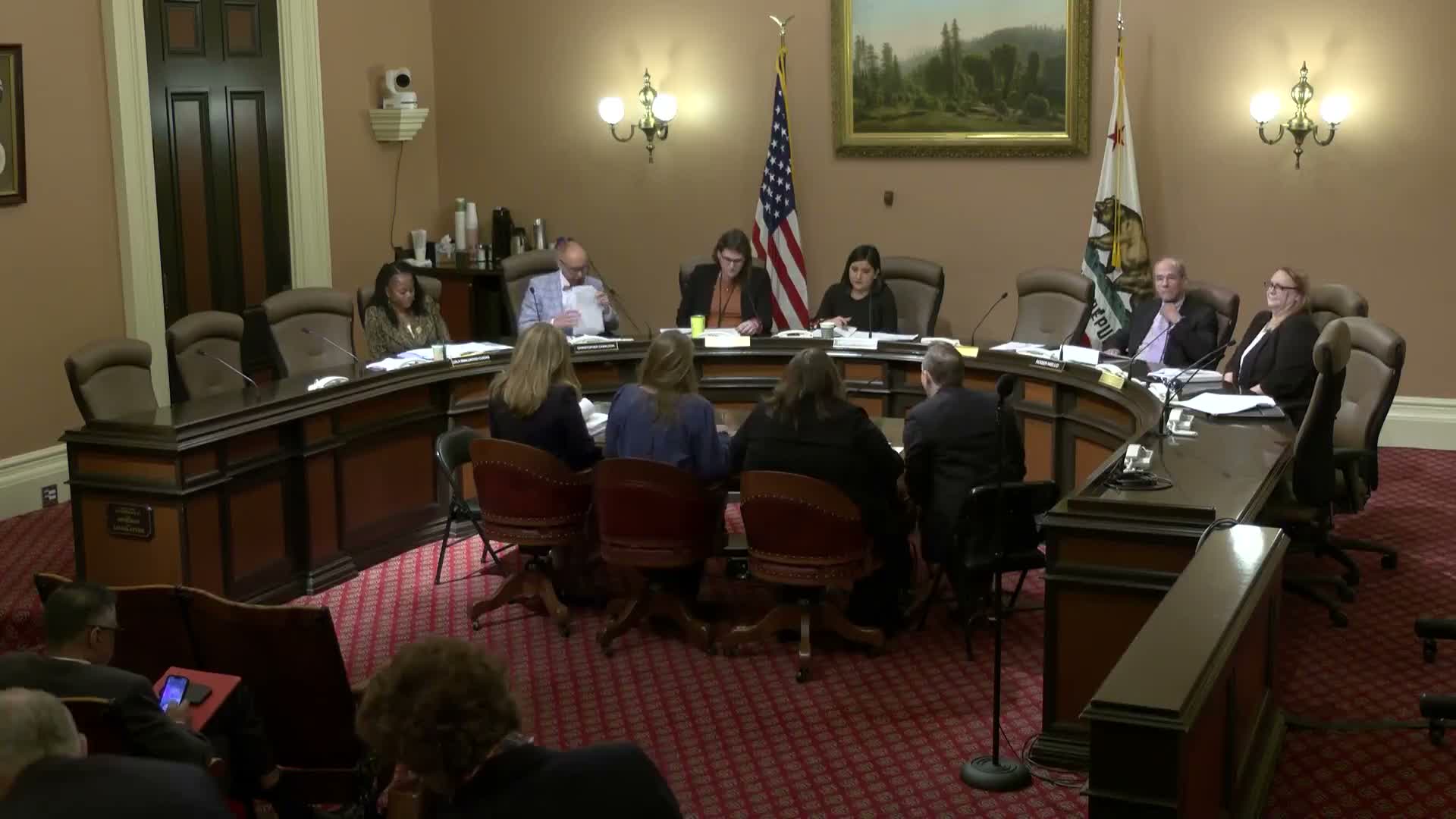
The Board of Registered Nursing told Subcommittee 4 it seeks $1,400,000 to fund eight special investigator positions to address rising complaint workload driven by a growing licensee pool and more complex cases.
Taylor Schick, chief fiscal officer for the Department of Consumer Affairs, said the board’s licensee population has grown from about 466,000 in 2021 to over 565,000 now and that complaints referred for investigation have grown 64 percent since 2020–21. Loretta Melby (executive officer, Board of Registered Nursing) explained the board’s complaint process, prioritization and regional investigative structure and said investigatory work can range from facility referrals to cases that are criminally related and require coordination with the Attorney General.
Melby told senators the board has inspection authority to enter facilities in response to complaints but does not have general spot‑check authority; the board requested that broader inspection authority in a recent sunset bill. She also described ‘‘viral’’ complaint days driven by social media — where a single incident can generate thousands of individual complaints in a short period — and said current law requires individualized responses that pull staff resources.
On discipline and outcomes, Melby said that when cases reach the Attorney General’s office about 75–80 percent typically lead to disciplinary action; she also emphasized the board’s preference for rehabilitation when possible, describing an intervention program that can keep nurses working while they complete monitored remediation.
Senator Lola Smallwood Cuevas pressed for data on complaints alleging bias and disparate treatment, especially around labor and birthing care for Black women, and called for tracking repeat offenders. Senators also explored the potential for automation and other tools to triage viral complaints and reduce staff burden.
The subcommittee held the item open for further consideration and follow-up information.
Taylor Schick, chief fiscal officer for the Department of Consumer Affairs, said the board’s licensee population has grown from about 466,000 in 2021 to over 565,000 now and that complaints referred for investigation have grown 64 percent since 2020–21. Loretta Melby (executive officer, Board of Registered Nursing) explained the board’s complaint process, prioritization and regional investigative structure and said investigatory work can range from facility referrals to cases that are criminally related and require coordination with the Attorney General.
Melby told senators the board has inspection authority to enter facilities in response to complaints but does not have general spot‑check authority; the board requested that broader inspection authority in a recent sunset bill. She also described ‘‘viral’’ complaint days driven by social media — where a single incident can generate thousands of individual complaints in a short period — and said current law requires individualized responses that pull staff resources.
On discipline and outcomes, Melby said that when cases reach the Attorney General’s office about 75–80 percent typically lead to disciplinary action; she also emphasized the board’s preference for rehabilitation when possible, describing an intervention program that can keep nurses working while they complete monitored remediation.
Senator Lola Smallwood Cuevas pressed for data on complaints alleging bias and disparate treatment, especially around labor and birthing care for Black women, and called for tracking repeat offenders. Senators also explored the potential for automation and other tools to triage viral complaints and reduce staff burden.
The subcommittee held the item open for further consideration and follow-up information.
View the Full Meeting & All Its Details
This article offers just a summary. Unlock complete video, transcripts, and insights as a Founder Member.
✓
Watch full, unedited meeting videos
✓
Search every word spoken in unlimited transcripts
✓
AI summaries & real-time alerts (all government levels)
✓
Permanent access to expanding government content
30-day money-back guarantee
