State water regulators and farmworker groups urge coordination on winery permits, research and worker supports
March 12, 2026 | California State Senate, Senate, Legislative, California
This article was created by AI summarizing key points discussed. AI makes mistakes, so for full details and context, please refer to the video of the full meeting. Please report any errors so we can fix them. Report an error »
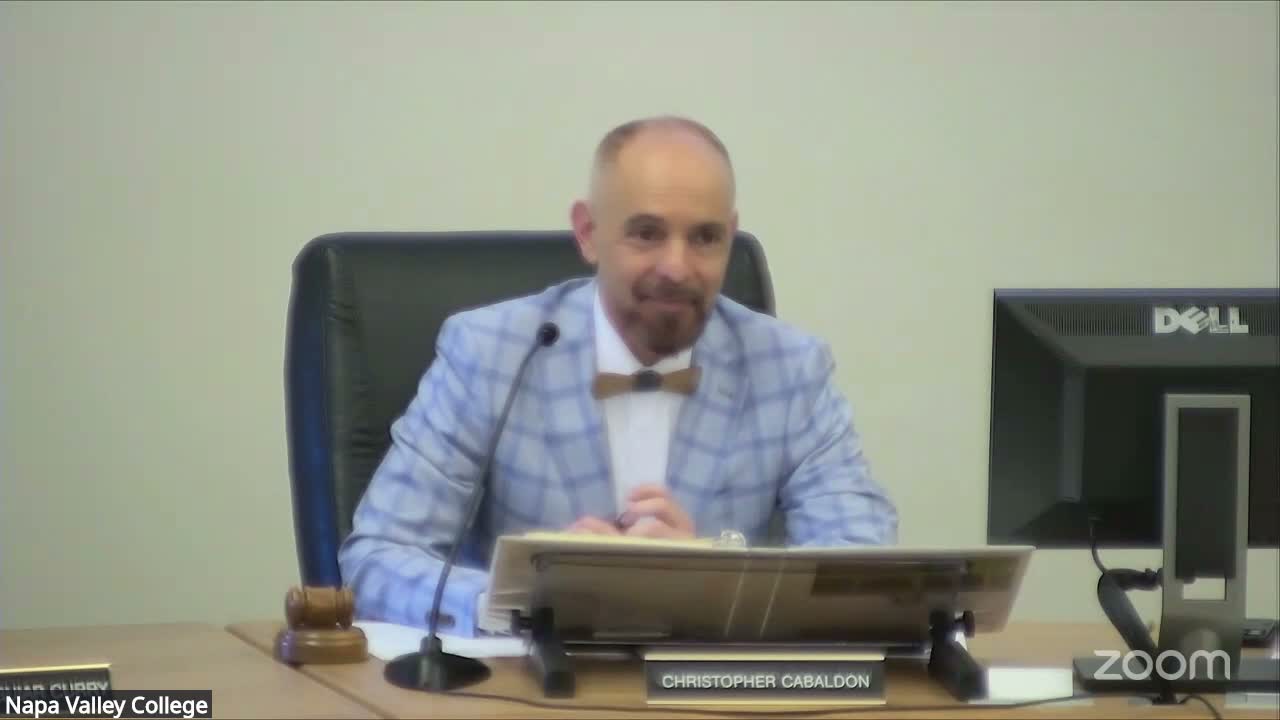
State regulators, farmworker advocates and tourism officials told a Senate select committee that regulation, research and workforce programs must be coordinated to prevent further harm to growers, workers and local economies.
Annalisa Keyhar, assistant deputy director for the Division of Water Quality at the State Water Board, provided an update on the winery general order adopted in January 2021 under the California Water Code. She described a four‑tier enrollment framework based on permitted annual process water, noted an exemption for wineries discharging less than 10,000 gallons per year, and said that 56 wineries have been enrolled with 122 actively under review.
Keyhar said the order was intended to streamline permitting, improve statewide consistency and reduce the backlog of individual permits, but that regional boards and industry partners continue to seek practical flexibility for small and medium wineries.
Sonia DeLuca, of the Napa Valley Farmworker Foundation, urged policy responses that protect farmworker incomes and recommended (1) targeted relief for growers under severe market pressure, (2) removal of barriers to grape and wine sales, (3) exploration of wage‑loss support programs for affected agricultural workers, and (4) continued investment in bilingual workforce training.
Lindsay Gallagher, CEO of VISIT Napa Valley, emphasized the tourism linkage: Napa remains a high‑value destination but international visitation (notably Canada) has declined, reducing visitor spending that supports hotels, restaurants and hospitality jobs.
Panelists and legislators repeatedly urged more investment in applied research—especially on disease management, water solutions and market development—and faster pathways to translate that research into regulatory innovation that reduces compliance burden while protecting water quality and public health.
The committee closed without adopting rules; members asked staff to assemble comparative data on regulatory costs and to pursue stakeholder meetings to develop well‑targeted proposals.
Annalisa Keyhar, assistant deputy director for the Division of Water Quality at the State Water Board, provided an update on the winery general order adopted in January 2021 under the California Water Code. She described a four‑tier enrollment framework based on permitted annual process water, noted an exemption for wineries discharging less than 10,000 gallons per year, and said that 56 wineries have been enrolled with 122 actively under review.
Keyhar said the order was intended to streamline permitting, improve statewide consistency and reduce the backlog of individual permits, but that regional boards and industry partners continue to seek practical flexibility for small and medium wineries.
Sonia DeLuca, of the Napa Valley Farmworker Foundation, urged policy responses that protect farmworker incomes and recommended (1) targeted relief for growers under severe market pressure, (2) removal of barriers to grape and wine sales, (3) exploration of wage‑loss support programs for affected agricultural workers, and (4) continued investment in bilingual workforce training.
Lindsay Gallagher, CEO of VISIT Napa Valley, emphasized the tourism linkage: Napa remains a high‑value destination but international visitation (notably Canada) has declined, reducing visitor spending that supports hotels, restaurants and hospitality jobs.
Panelists and legislators repeatedly urged more investment in applied research—especially on disease management, water solutions and market development—and faster pathways to translate that research into regulatory innovation that reduces compliance burden while protecting water quality and public health.
The committee closed without adopting rules; members asked staff to assemble comparative data on regulatory costs and to pursue stakeholder meetings to develop well‑targeted proposals.
View the Full Meeting & All Its Details
This article offers just a summary. Unlock complete video, transcripts, and insights as a Founder Member.
✓
Watch full, unedited meeting videos
✓
Search every word spoken in unlimited transcripts
✓
AI summaries & real-time alerts (all government levels)
✓
Permanent access to expanding government content
30-day money-back guarantee
