Operations superintendent reports pump failures, radio upgrades and clear initial UCMR5 PFAS results
May 13, 2024 | Oro Valley, Pima County, Arizona
This article was created by AI summarizing key points discussed. AI makes mistakes, so for full details and context, please refer to the video of the full meeting. Please report any errors so we can fix them. Report an error »
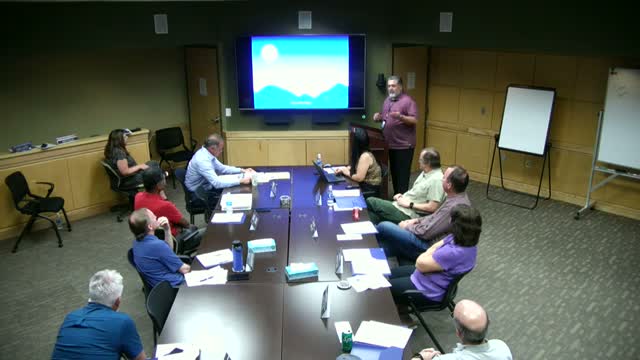
Jeff Kane, the water operations superintendent, gave the commission a broad operations update that covered staffing, system assets, recent repairs and water-quality monitoring. "We're responsible for the operations and maintenance of the Oro Valley and the countryside potable system," Kane said, detailing roughly 46 active well sites, reservoirs, booster stations and more than 21,000 metered service connections.
Kane described an unplanned failure at a vertical-turbine well where a coupling wore and broke; staff pulled the motor and replaced the pump and motor combination and returned the well to service in late April. "When you pull well, you might as well replace the pump or anything else that might be aged," he said, explaining the rationale for more complete replacements when crews are mobilized.
Kane summarized a planned systemwide communications upgrade: replacing antiquated radios with GE MDS units that offer cellular and ethernet capability and support cameras and faster SCADA responses. The utility piloted the radios at reclaimed sites and plans staged rollouts for the 46 potable facilities.
On water quality, Kane reported initial results from the UCMR5 sampling: everything was below EPA reporting limits with no PFAS detections in the countryside system. He noted an anomalous lithium detection in one sample and said staff will research the source and compare results to the next sampling round. "Everything's below reporting limits that are set by the EPA," he said, adding that lithium is not a regulated constituent but will be investigated.
Kane also described operational programs such as reservoir inspections, impeller replacements for cavitation-damaged pumps, and the utility’s emergency response plan, updated in response to America's Water Infrastructure Act requirements. Commissioners asked about using remotely operated vehicles for reservoir work; Kane said ROVs can inspect but cannot perform diver repairs and may increase inspection workflow and cost because of offsite review requirements.
Kane described an unplanned failure at a vertical-turbine well where a coupling wore and broke; staff pulled the motor and replaced the pump and motor combination and returned the well to service in late April. "When you pull well, you might as well replace the pump or anything else that might be aged," he said, explaining the rationale for more complete replacements when crews are mobilized.
Kane summarized a planned systemwide communications upgrade: replacing antiquated radios with GE MDS units that offer cellular and ethernet capability and support cameras and faster SCADA responses. The utility piloted the radios at reclaimed sites and plans staged rollouts for the 46 potable facilities.
On water quality, Kane reported initial results from the UCMR5 sampling: everything was below EPA reporting limits with no PFAS detections in the countryside system. He noted an anomalous lithium detection in one sample and said staff will research the source and compare results to the next sampling round. "Everything's below reporting limits that are set by the EPA," he said, adding that lithium is not a regulated constituent but will be investigated.
Kane also described operational programs such as reservoir inspections, impeller replacements for cavitation-damaged pumps, and the utility’s emergency response plan, updated in response to America's Water Infrastructure Act requirements. Commissioners asked about using remotely operated vehicles for reservoir work; Kane said ROVs can inspect but cannot perform diver repairs and may increase inspection workflow and cost because of offsite review requirements.
View the Full Meeting & All Its Details
This article offers just a summary. Unlock complete video, transcripts, and insights as a Founder Member.
✓
Watch full, unedited meeting videos
✓
Search every word spoken in unlimited transcripts
✓
AI summaries & real-time alerts (all government levels)
✓
Permanent access to expanding government content
30-day money-back guarantee
