School board reviews pay-and-retention menu: unified pay-scale option, part-time raises and tuition reimbursement
March 11, 2026 | VA BEACH CITY PBLC SCHS, School Districts, Virginia
This article was created by AI summarizing key points discussed. AI makes mistakes, so for full details and context, please refer to the video of the full meeting. Please report any errors so we can fix them. Report an error »
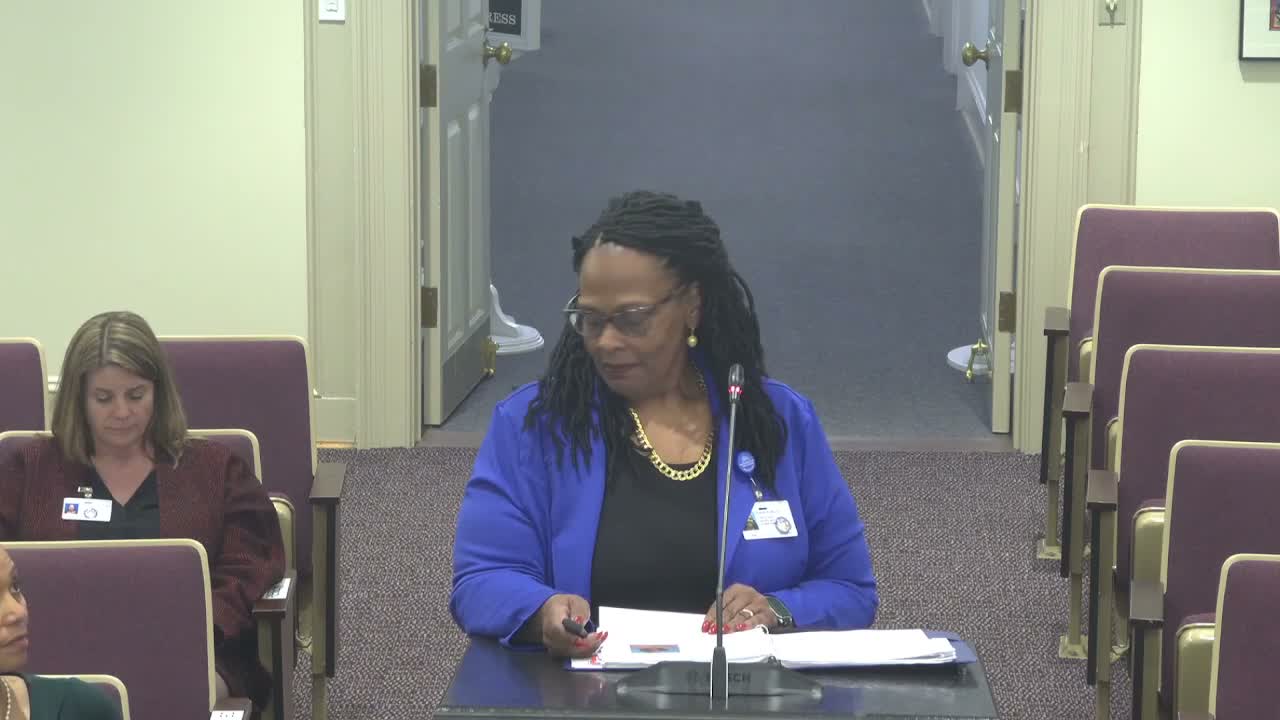
The Virginia Beach School Board spent substantial time evaluating a menu of compensation and retention options presented by the division’s human resources team.
Dr. Darnita Trotman, the division’s chief human resources officer, framed the presentation as a set of priorities to consider if additional funding from the state becomes available. She said the packages are intended to give the board options to act quickly if new revenue arrives: "there's no money in the budget to do anything that you're getting ready to see," an administrator stated during the introduction.
Judith Wood, coordinator of classification and compensation, outlined the principal options. One proposal would raise the unified pay scale's entry level by 2% and change steps 1–14 to a 1.25% difference while keeping steps 15 and above at 1.5%. Wood said that approach would result in raises ranging from about 2% to 7.14% at an operating cost of roughly $15.4 million (about $4.3 million above the superintendent’s estimate of needs).
Wood also reported that increasing part-time rates by 10%—affecting roughly 5,000 part-time workers including substitutes, bus attendants and custodial staff—would cost approximately $33.3 million. On educational allowances, Wood said completing a multiyear alignment to local market targets would cost about $1.8 million, and raising tuition reimbursement from $1,000 to $2,000 per employee would cost about $214,000 annually; she noted that 237 employees used tuition reimbursement this year and current funds are exhausted.
Board members pressed administrators on priorities and equity. Miss Melnick and others asked how many retirees return to full-time roles; staff answered that the number varies year to year and depends on state rules for rehire and critical shortage positions. Vice Chair Williams focused on how proposed employer health contribution increases affect employee premiums and asked whether a straight 1.5% across the unified scale (instead of the proposed entry-level adjustment) had been costed; staff said a straight 1.5% across the scale would cost roughly $5.9 million more than current amounts and could leave some lower-paid positions below the 2% average the state may require.
Members identified several "low-hanging fruit" items—such as tuition reimbursement and modest supplements—that could be prioritized if modest additional funding becomes available. Administrators said many choices will require tradeoffs and corresponding reductions elsewhere in the budget if additional state funds do not materialize.
The board did not take any final compensation votes during the workshop; staff committed to return with further analysis, including the cost to implement a straight 1.5% across the unified pay scale and other scenario comparisons.
Dr. Darnita Trotman, the division’s chief human resources officer, framed the presentation as a set of priorities to consider if additional funding from the state becomes available. She said the packages are intended to give the board options to act quickly if new revenue arrives: "there's no money in the budget to do anything that you're getting ready to see," an administrator stated during the introduction.
Judith Wood, coordinator of classification and compensation, outlined the principal options. One proposal would raise the unified pay scale's entry level by 2% and change steps 1–14 to a 1.25% difference while keeping steps 15 and above at 1.5%. Wood said that approach would result in raises ranging from about 2% to 7.14% at an operating cost of roughly $15.4 million (about $4.3 million above the superintendent’s estimate of needs).
Wood also reported that increasing part-time rates by 10%—affecting roughly 5,000 part-time workers including substitutes, bus attendants and custodial staff—would cost approximately $33.3 million. On educational allowances, Wood said completing a multiyear alignment to local market targets would cost about $1.8 million, and raising tuition reimbursement from $1,000 to $2,000 per employee would cost about $214,000 annually; she noted that 237 employees used tuition reimbursement this year and current funds are exhausted.
Board members pressed administrators on priorities and equity. Miss Melnick and others asked how many retirees return to full-time roles; staff answered that the number varies year to year and depends on state rules for rehire and critical shortage positions. Vice Chair Williams focused on how proposed employer health contribution increases affect employee premiums and asked whether a straight 1.5% across the unified scale (instead of the proposed entry-level adjustment) had been costed; staff said a straight 1.5% across the scale would cost roughly $5.9 million more than current amounts and could leave some lower-paid positions below the 2% average the state may require.
Members identified several "low-hanging fruit" items—such as tuition reimbursement and modest supplements—that could be prioritized if modest additional funding becomes available. Administrators said many choices will require tradeoffs and corresponding reductions elsewhere in the budget if additional state funds do not materialize.
The board did not take any final compensation votes during the workshop; staff committed to return with further analysis, including the cost to implement a straight 1.5% across the unified pay scale and other scenario comparisons.
Don't Miss a Word: See the Full Meeting!
Go beyond summaries. Unlock every video, transcript, and key insight with a Founder Membership.
✓
Get instant access to full meeting videos
✓
Search and clip any phrase from complete transcripts
✓
Receive AI-powered summaries & custom alerts
✓
Enjoy lifetime, unrestricted access to government data
30-day money-back guarantee
