Woodland Park candidates emphasize water security, limits on growth and open-space stewardship at chamber forum
March 11, 2026 | Woodland Park, Teller County, Colorado
This article was created by AI summarizing key points discussed. AI makes mistakes, so for full details and context, please refer to the video of the full meeting. Please report any errors so we can fix them. Report an error »
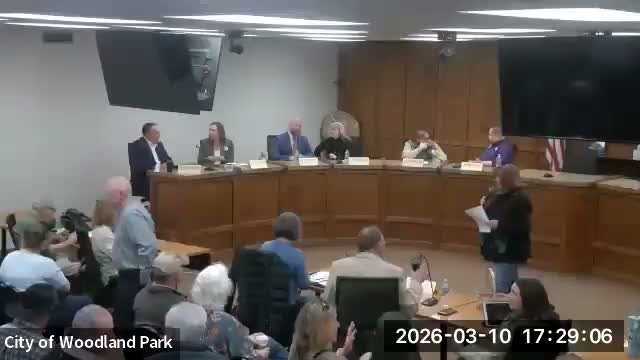
WOODLAND PARK — Candidates for mayor and city council at a Greater Woodland Park Chamber of Commerce forum said water security, careful growth management and stewardship of newly acquired open space are the community’s top priorities as voters prepare for the April election.
At the candidates forum, moderated by Steve Wolf and Carol Harvey, multiple candidates named water supply and the planned reservoir as central concerns. "Seeing through the Glen Aspen reservoir is definitely a large step to us achieving water security," Seth Bryant said, arguing the project is key to long-term supply. Mary Sekowsky said the city should explore ways to ease household costs — including a review of the local grocery sales tax — but she added any change would require a careful plan to replace lost revenue.
Why it matters: Woodland Park leaders say long-term water planning and infrastructure funding will shape development choices, affect rates and determine whether the city can preserve parks and services as it grows.
Candidates debated the Downtown Development Authority and its tax-increment financing. Jeffrey Gere called TIF "unconstitutional" and warned the mechanism diverts revenue from other local taxing districts; Don Dezellem and George Jones said the DDA has achieved downtown projects and suggested the increment financing should be allowed to expire as scheduled. Several candidates noted that the tax increment financing tied to the DDA is set to end in 2032.
On the city’s recent purchase of Shining Mountain Golf Course, candidates framed the acquisition as an open-space win. "We got such a good deal for it, and the way we were able to pay for it out of the water fund…we're pretty much looking at it as a great investment just water wise," Seth Bryant said, adding the site also provides trails, event space and flexibility if the golf model does not fully cover costs. Candidates emphasized the purchase was debt-free and described the property as a generational open-space asset.
The forum also addressed municipal revenue choices and safety concerns. Catherine McKay stated that roughly "70% of our general fund comes from that sales tax," noting replacement revenue would be difficult if grocery taxes were reduced; Mary Sekowsky said removing the grocery tax is "worth exploring" to improve affordability but would require community input on tradeoffs. On public safety, Jeffrey Gere said wildfire is the top risk: "The question really isn't if, the question is when," and he urged coordinated action among federal, state and local partners.
On local economic strategy, candidates praised Main Street programs and a downtown microgrant/reimbursement pool; George Jones highlighted a planned $200,000 program of reimbursements to support downtown businesses this year. Moderators took vetted written questions from the audience and allowed a brief press Q&A; a final lightning round produced short pledges on priorities such as police services, safer streets and transparency.
What happens next: Candidates urged turnout and reminded voters the three charter amendments (recall timing, mayoral stipend and mayor–council changes) will appear on the April ballot; the chamber said it will publish pros and cons and a forum video online. The forum ended with closing remarks and a reminder to vote.
Sources: Forum transcript and direct candidate remarks as recorded at the Greater Woodland Park Chamber of Commerce candidates forum.
At the candidates forum, moderated by Steve Wolf and Carol Harvey, multiple candidates named water supply and the planned reservoir as central concerns. "Seeing through the Glen Aspen reservoir is definitely a large step to us achieving water security," Seth Bryant said, arguing the project is key to long-term supply. Mary Sekowsky said the city should explore ways to ease household costs — including a review of the local grocery sales tax — but she added any change would require a careful plan to replace lost revenue.
Why it matters: Woodland Park leaders say long-term water planning and infrastructure funding will shape development choices, affect rates and determine whether the city can preserve parks and services as it grows.
Candidates debated the Downtown Development Authority and its tax-increment financing. Jeffrey Gere called TIF "unconstitutional" and warned the mechanism diverts revenue from other local taxing districts; Don Dezellem and George Jones said the DDA has achieved downtown projects and suggested the increment financing should be allowed to expire as scheduled. Several candidates noted that the tax increment financing tied to the DDA is set to end in 2032.
On the city’s recent purchase of Shining Mountain Golf Course, candidates framed the acquisition as an open-space win. "We got such a good deal for it, and the way we were able to pay for it out of the water fund…we're pretty much looking at it as a great investment just water wise," Seth Bryant said, adding the site also provides trails, event space and flexibility if the golf model does not fully cover costs. Candidates emphasized the purchase was debt-free and described the property as a generational open-space asset.
The forum also addressed municipal revenue choices and safety concerns. Catherine McKay stated that roughly "70% of our general fund comes from that sales tax," noting replacement revenue would be difficult if grocery taxes were reduced; Mary Sekowsky said removing the grocery tax is "worth exploring" to improve affordability but would require community input on tradeoffs. On public safety, Jeffrey Gere said wildfire is the top risk: "The question really isn't if, the question is when," and he urged coordinated action among federal, state and local partners.
On local economic strategy, candidates praised Main Street programs and a downtown microgrant/reimbursement pool; George Jones highlighted a planned $200,000 program of reimbursements to support downtown businesses this year. Moderators took vetted written questions from the audience and allowed a brief press Q&A; a final lightning round produced short pledges on priorities such as police services, safer streets and transparency.
What happens next: Candidates urged turnout and reminded voters the three charter amendments (recall timing, mayoral stipend and mayor–council changes) will appear on the April ballot; the chamber said it will publish pros and cons and a forum video online. The forum ended with closing remarks and a reminder to vote.
Sources: Forum transcript and direct candidate remarks as recorded at the Greater Woodland Park Chamber of Commerce candidates forum.
View the Full Meeting & All Its Details
This article offers just a summary. Unlock complete video, transcripts, and insights as a Founder Member.
✓
Watch full, unedited meeting videos
✓
Search every word spoken in unlimited transcripts
✓
AI summaries & real-time alerts (all government levels)
✓
Permanent access to expanding government content
30-day money-back guarantee
