Appropriators debate whether to follow Human Services or opioid‑settlement advisory recommendations on prevention funding
March 11, 2026 | Appropriations, HOUSE OF REPRESENTATIVES, Committees, Legislative , Vermont
This article was created by AI summarizing key points discussed. AI makes mistakes, so for full details and context, please refer to the video of the full meeting. Please report any errors so we can fix them. Report an error »
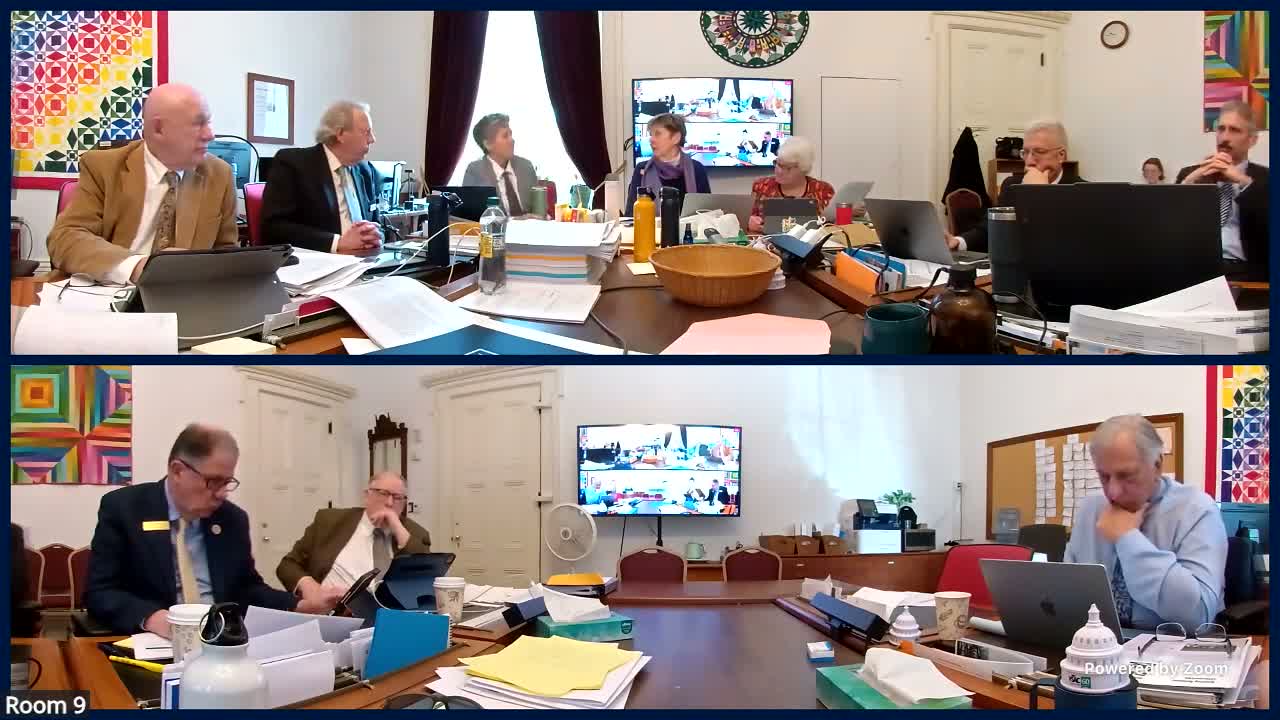
Members of the House Appropriations Committee spent a substantial portion of the March 11 hearing discussing how to allocate prevention and treatment dollars across the substance misuse prevention fund and the opioid settlement fund.
Several members expressed concern that the administration’s internal decisions about how to spend cannabis- or prevention‑designated money had not been clearly communicated to the committee. One member described being led to believe certain administration proposals might no longer be covered; others clarified that adopting Human Services’ recommendation to use $660,000 from the substance misuse prevention fund for four projects would reduce certain line items but would not eliminate ongoing programs.
A committee member said the opioid settlement advisory committee had recommended four prevention-related projects and that Human Services’ recommendation differed; the committee debated whether that divergence meant previously proposed administration items would be cut. Members asked for spreadsheets and documentation and emphasized they had not taken testimony on these funding decisions; several suggested Human Services’ recommendations be followed now and a fuller Senate review come later if changes are desired.
Speakers repeatedly raised process and accountability questions: who reviews special funds, whether advisory groups were consulted, and whether the committee should accept a partial or hybrid approach. Members noted a previous regional distribution of about $4 million tied to a regional grant process and worried local providers could lose expected support if allocations shifted; one member offered to compile a spreadsheet to map who gets what money.
No formal funding decision is recorded in the transcript. Committee leaders indicated amendments would be developed and votes scheduled later after staff circulated updated spreadsheets and supplemental materials.
Several members expressed concern that the administration’s internal decisions about how to spend cannabis- or prevention‑designated money had not been clearly communicated to the committee. One member described being led to believe certain administration proposals might no longer be covered; others clarified that adopting Human Services’ recommendation to use $660,000 from the substance misuse prevention fund for four projects would reduce certain line items but would not eliminate ongoing programs.
A committee member said the opioid settlement advisory committee had recommended four prevention-related projects and that Human Services’ recommendation differed; the committee debated whether that divergence meant previously proposed administration items would be cut. Members asked for spreadsheets and documentation and emphasized they had not taken testimony on these funding decisions; several suggested Human Services’ recommendations be followed now and a fuller Senate review come later if changes are desired.
Speakers repeatedly raised process and accountability questions: who reviews special funds, whether advisory groups were consulted, and whether the committee should accept a partial or hybrid approach. Members noted a previous regional distribution of about $4 million tied to a regional grant process and worried local providers could lose expected support if allocations shifted; one member offered to compile a spreadsheet to map who gets what money.
No formal funding decision is recorded in the transcript. Committee leaders indicated amendments would be developed and votes scheduled later after staff circulated updated spreadsheets and supplemental materials.
View the Full Meeting & All Its Details
This article offers just a summary. Unlock complete video, transcripts, and insights as a Founder Member.
✓
Watch full, unedited meeting videos
✓
Search every word spoken in unlimited transcripts
✓
AI summaries & real-time alerts (all government levels)
✓
Permanent access to expanding government content
30-day money-back guarantee
