Chief counsel outlines charter amendment vs. revision process; 20% petition threshold explained
March 11, 2026 | Lewiston, Androscoggin County, Maine
This article was created by AI summarizing key points discussed. AI makes mistakes, so for full details and context, please refer to the video of the full meeting. Please report any errors so we can fix them. Report an error »
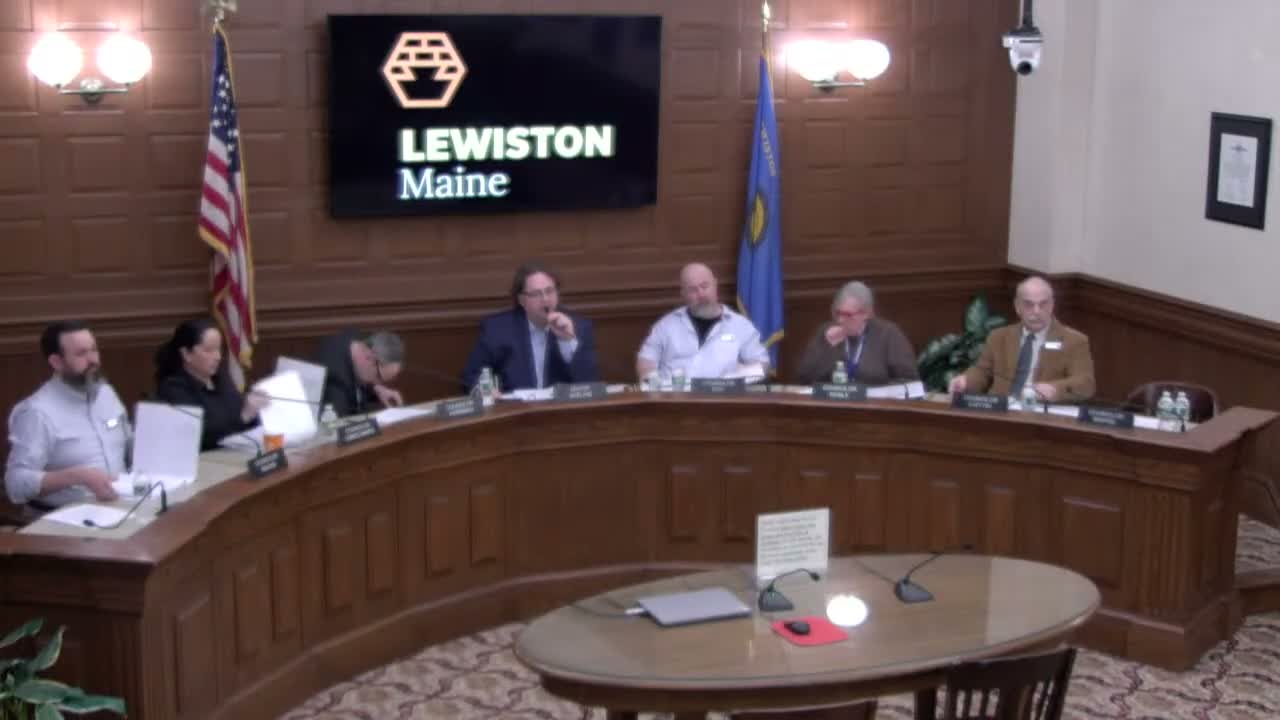
Mike Carey, the city's chief counsel, briefed the council on options for changing Lewiston’s municipal charter and the legal distinction between an "amendment" and a "revision." Carey said courts have used tests of breadth and depth to decide whether a proposed change requires the more exhaustive charter-commission process.
Carey told councilors a change defaults to a revision unless it is both narrow in breadth and shallow in depth. He cited the Fair Elections Portland case as guiding precedent and explained that a revision could trigger a charter commission with elected and appointed members and a multi-month review. "If the breadth of the change is sufficiently narrow and the depth is sufficiently shallow, it can be an amendment," Carey said.
Petition and timeline mechanics: Carey said citizens can force a charter commission by petition with signatures from 20% of registered voters who voted in the last gubernatorial election, or the council may initiate a change. A charter commission would hold public hearings, issue a preliminary report within nine months and a final report within 12 months before sending proposed language to voters by referendum.
Practical question and next steps: Councilor Chittum raised a practical example — changing a single letter reference in the charter (subsection d to e) — and said she would prepare a narrow amendment for council consideration to place on the November ballot. Carey said staff would need to review the language and legal effect before confirming whether a clerical change could be treated as an amendment or must proceed as a revision.
Context: Carey gave examples from other jurisdictions, including case law that found some changes (such as making a manager subject to recall) to be revisions because of their broad effects, while other changes (eliminating council seats while retaining council–manager government) were treated as amendments.
What's next: Councilors asked about timelines and costs for charter questions so they could decide whether to pursue a council-initiated amendment or refer citizens to petition. Carey said statutory timelines for referendums and notice apply and staff would advise on election timing and administrative costs.
Carey told councilors a change defaults to a revision unless it is both narrow in breadth and shallow in depth. He cited the Fair Elections Portland case as guiding precedent and explained that a revision could trigger a charter commission with elected and appointed members and a multi-month review. "If the breadth of the change is sufficiently narrow and the depth is sufficiently shallow, it can be an amendment," Carey said.
Petition and timeline mechanics: Carey said citizens can force a charter commission by petition with signatures from 20% of registered voters who voted in the last gubernatorial election, or the council may initiate a change. A charter commission would hold public hearings, issue a preliminary report within nine months and a final report within 12 months before sending proposed language to voters by referendum.
Practical question and next steps: Councilor Chittum raised a practical example — changing a single letter reference in the charter (subsection d to e) — and said she would prepare a narrow amendment for council consideration to place on the November ballot. Carey said staff would need to review the language and legal effect before confirming whether a clerical change could be treated as an amendment or must proceed as a revision.
Context: Carey gave examples from other jurisdictions, including case law that found some changes (such as making a manager subject to recall) to be revisions because of their broad effects, while other changes (eliminating council seats while retaining council–manager government) were treated as amendments.
What's next: Councilors asked about timelines and costs for charter questions so they could decide whether to pursue a council-initiated amendment or refer citizens to petition. Carey said statutory timelines for referendums and notice apply and staff would advise on election timing and administrative costs.
View the Full Meeting & All Its Details
This article offers just a summary. Unlock complete video, transcripts, and insights as a Founder Member.
✓
Watch full, unedited meeting videos
✓
Search every word spoken in unlimited transcripts
✓
AI summaries & real-time alerts (all government levels)
✓
Permanent access to expanding government content
30-day money-back guarantee
