Cities back 1¢ sales-tax referendum to fund local infrastructure; counties warn of inequity
March 10, 2026 | 2026 Legislative Meetings, South Carolina
This article was created by AI summarizing key points discussed. AI makes mistakes, so for full details and context, please refer to the video of the full meeting. Please report any errors so we can fix them. Report an error »
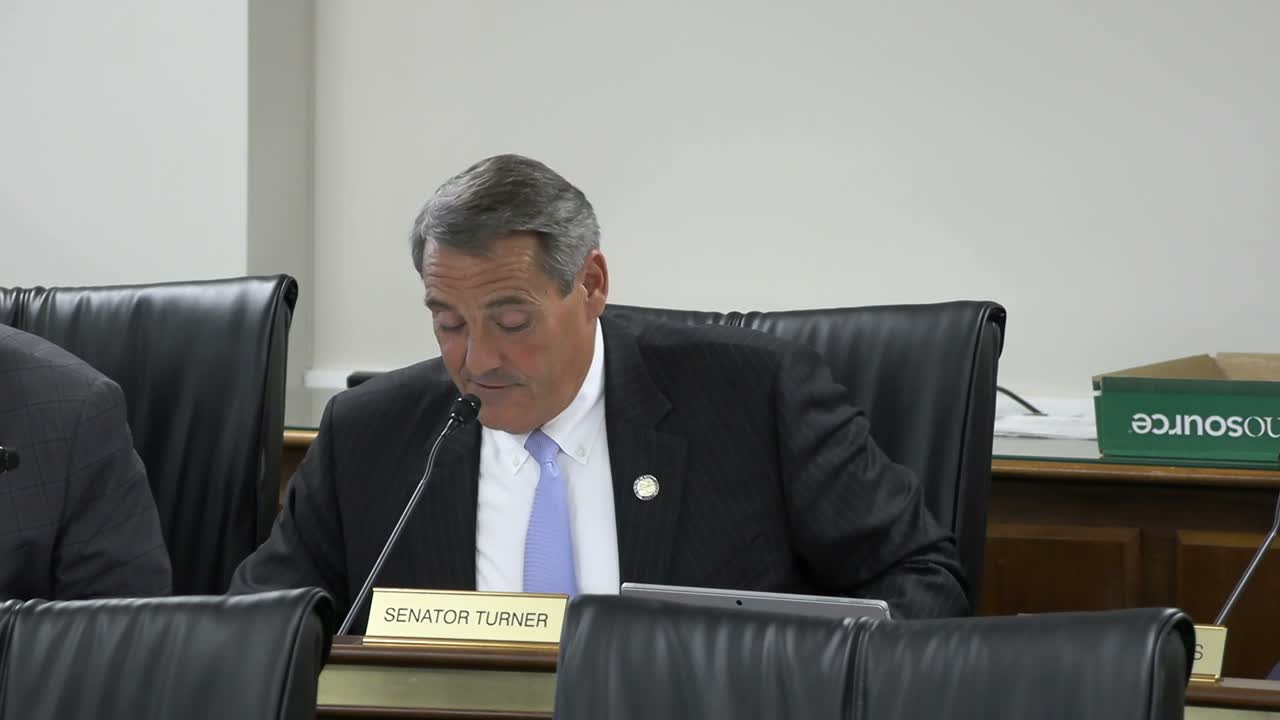
City managers from Greenville, Fountain Inn and Travelers Rest told the subcommittee SB 866 would give municipalities a voter-driven tool to fund critical infrastructure and provide property tax relief to residents.
Shannon Laverin, city manager of Greenville, said the measure would require detailed project lists, a mandatory 20% annual credit to residential property owners and a voter referendum before implementation. "This bill is voter driven...It simply allows voters to decide through a referendum whether to implement a temporary 1% sales tax to pay for road and infrastructure improvements that they approve and provide them with property tax relief," Laverin said, estimating Greenville could receive $42–50 million annually under the proposal.
Smaller communities said the tool would be transformative: Shannon Herman of Travelers Rest estimated a 1¢ tax could generate roughly $2 million a year for a small city and highlighted that at least 20% of revenues would be returned to residents as a property-tax credit. Sean Bell of Fountain Inn described the split-county challenges his city faces and said the bill would help extend relief to residents across municipal boundaries.
Kent Lassane of the South Carolina Association of Counties opposed the approach. He argued that the current capital-project sales-tax framework already provides local input through county-level commissions and warned the bill could tax unincorporated residents who have no vote on municipal referenda. He proposed limiting eligibility to municipalities within counties that have never imposed the capital project sales tax as a compromise.
After questions on revenue distribution and timing, the committee voted to move SB 866 forward to the full committee for further consideration.
Shannon Laverin, city manager of Greenville, said the measure would require detailed project lists, a mandatory 20% annual credit to residential property owners and a voter referendum before implementation. "This bill is voter driven...It simply allows voters to decide through a referendum whether to implement a temporary 1% sales tax to pay for road and infrastructure improvements that they approve and provide them with property tax relief," Laverin said, estimating Greenville could receive $42–50 million annually under the proposal.
Smaller communities said the tool would be transformative: Shannon Herman of Travelers Rest estimated a 1¢ tax could generate roughly $2 million a year for a small city and highlighted that at least 20% of revenues would be returned to residents as a property-tax credit. Sean Bell of Fountain Inn described the split-county challenges his city faces and said the bill would help extend relief to residents across municipal boundaries.
Kent Lassane of the South Carolina Association of Counties opposed the approach. He argued that the current capital-project sales-tax framework already provides local input through county-level commissions and warned the bill could tax unincorporated residents who have no vote on municipal referenda. He proposed limiting eligibility to municipalities within counties that have never imposed the capital project sales tax as a compromise.
After questions on revenue distribution and timing, the committee voted to move SB 866 forward to the full committee for further consideration.
Don't Miss a Word: See the Full Meeting!
Go beyond summaries. Unlock every video, transcript, and key insight with a Founder Membership.
✓
Get instant access to full meeting videos
✓
Search and clip any phrase from complete transcripts
✓
Receive AI-powered summaries & custom alerts
✓
Enjoy lifetime, unrestricted access to government data
30-day money-back guarantee
