Tumwater lake managers discuss trial of ‘muck biotic’ treatment, defer approval pending cost details
March 09, 2026 | Tumwater, Thurston County, Washington
This article was created by AI summarizing key points discussed. AI makes mistakes, so for full details and context, please refer to the video of the full meeting. Please report any errors so we can fix them. Report an error »
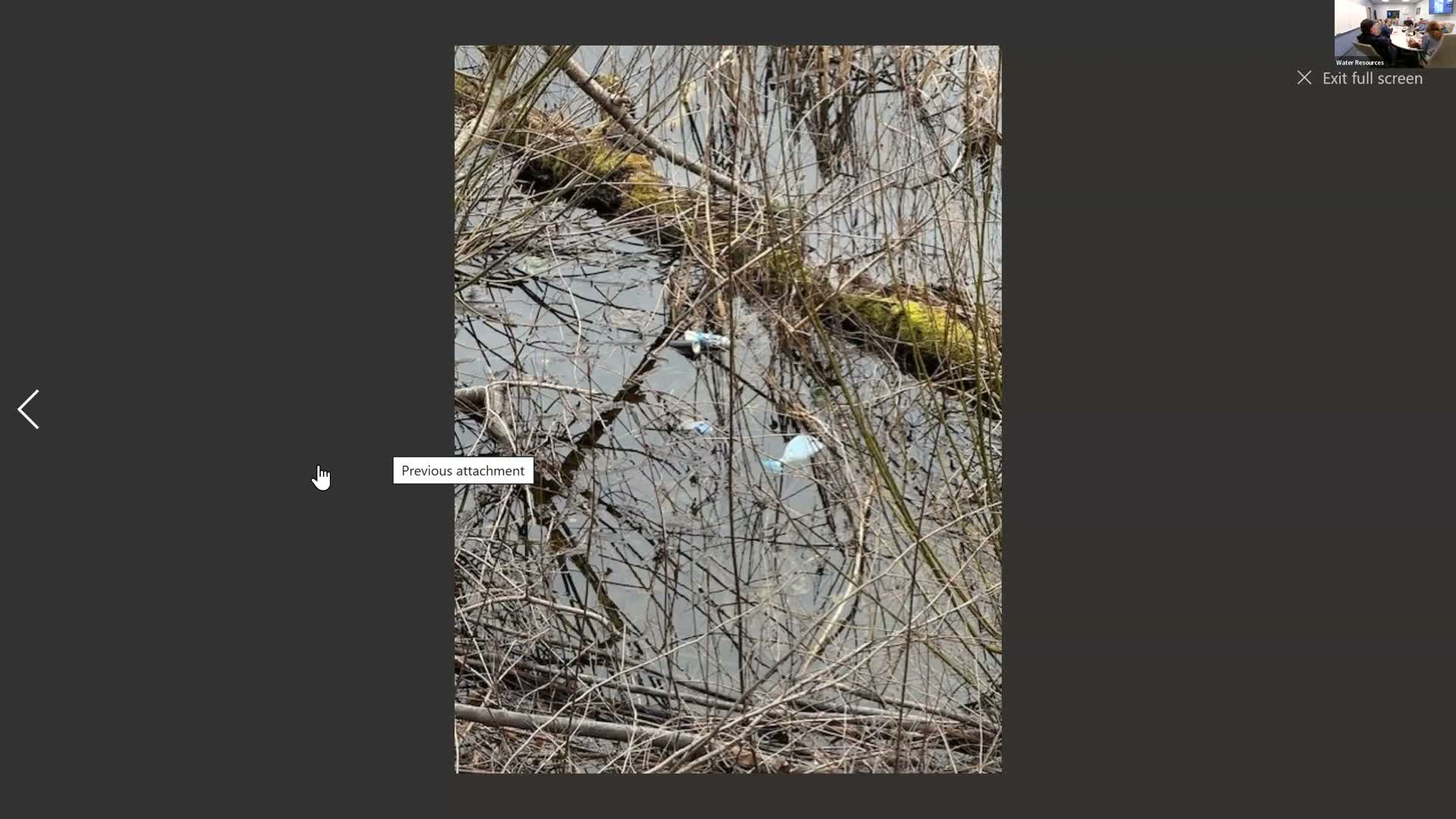
The Lake Management District steering committee in Tumwater spent its March meeting reviewing the contractor's proposed 2026 treatment plan and a proposed pilot of a microbial "muck biotic" product intended to reduce sediment and improve boat access.
Staff summarized the contractor's recommendations: contact herbicides (diquat/endothal) for floating bladderwart, targeted systemic treatment (fluridone/Sonar) for fragrant water lilies and a pilot application of a muck biotic at the boat-launch frontage at Dana Day's property. Committee members said they support testing a small area but repeatedly asked for cost, application frequency and environmental details before approving any spending.
Committee members raised technical concerns about the biotic approach. One member summarized the trade-off: the bacteria consume sediment/nutrients but, in doing so, also consume oxygen; if applied broadly the treatment could reduce dissolved oxygen and harm fish unless paired with aeration (for example, bubblers or other mechanical aeration). The group asked staff to propose a limited, channel-focused pilot (for example, a narrow launch corridor) so results would be easier to measure without impacting large habitat areas.
On budget, staff presented a snapshot showing a beginning fund balance in the $50,000 range and projected assessments that would reduce reserves if collections are delayed. Members noted one per-area figure discussed informally in the meeting of about $600 for a 100-by-100-foot application, but they emphasized that the estimate's frequency and total-year cost were not clear and must be confirmed. Several members said they would be willing to cap the pilot spending (giving staff a $3,000 or $5,000 ceiling as an example) while awaiting a formal quote.
Contractor Scott was not present; staff agreed to request a written cost estimate and an application schedule and to circulate that information by email so members can decide at a tentative special meeting in late March or at the regular May meeting. Several members stressed they would not approve the treatment plan without cost figures and an implementation summary.
Other technical items discussed included clarifying which active ingredients would be used for lily control, the contractor's 3-year contract with the district, and the possibility that a small pilot might require aeration if oxygen depletion becomes a concern. Staff said they will ask the contractor to include (1) per-application costs, (2) recommended number of repeat applications per season, (3) evidence from other local uses of the product, and (4) any monitoring or aeration requirements.
Staff summarized the contractor's recommendations: contact herbicides (diquat/endothal) for floating bladderwart, targeted systemic treatment (fluridone/Sonar) for fragrant water lilies and a pilot application of a muck biotic at the boat-launch frontage at Dana Day's property. Committee members said they support testing a small area but repeatedly asked for cost, application frequency and environmental details before approving any spending.
Committee members raised technical concerns about the biotic approach. One member summarized the trade-off: the bacteria consume sediment/nutrients but, in doing so, also consume oxygen; if applied broadly the treatment could reduce dissolved oxygen and harm fish unless paired with aeration (for example, bubblers or other mechanical aeration). The group asked staff to propose a limited, channel-focused pilot (for example, a narrow launch corridor) so results would be easier to measure without impacting large habitat areas.
On budget, staff presented a snapshot showing a beginning fund balance in the $50,000 range and projected assessments that would reduce reserves if collections are delayed. Members noted one per-area figure discussed informally in the meeting of about $600 for a 100-by-100-foot application, but they emphasized that the estimate's frequency and total-year cost were not clear and must be confirmed. Several members said they would be willing to cap the pilot spending (giving staff a $3,000 or $5,000 ceiling as an example) while awaiting a formal quote.
Contractor Scott was not present; staff agreed to request a written cost estimate and an application schedule and to circulate that information by email so members can decide at a tentative special meeting in late March or at the regular May meeting. Several members stressed they would not approve the treatment plan without cost figures and an implementation summary.
Other technical items discussed included clarifying which active ingredients would be used for lily control, the contractor's 3-year contract with the district, and the possibility that a small pilot might require aeration if oxygen depletion becomes a concern. Staff said they will ask the contractor to include (1) per-application costs, (2) recommended number of repeat applications per season, (3) evidence from other local uses of the product, and (4) any monitoring or aeration requirements.
View the Full Meeting & All Its Details
This article offers just a summary. Unlock complete video, transcripts, and insights as a Founder Member.
✓
Watch full, unedited meeting videos
✓
Search every word spoken in unlimited transcripts
✓
AI summaries & real-time alerts (all government levels)
✓
Permanent access to expanding government content
30-day money-back guarantee
