Senate committee advances bill to regulate THC-infused beverages, approves substitute
March 10, 2026 | 2026 Legislature KY, Kentucky
This article was created by AI summarizing key points discussed. AI makes mistakes, so for full details and context, please refer to the video of the full meeting. Please report any errors so we can fix them. Report an error »
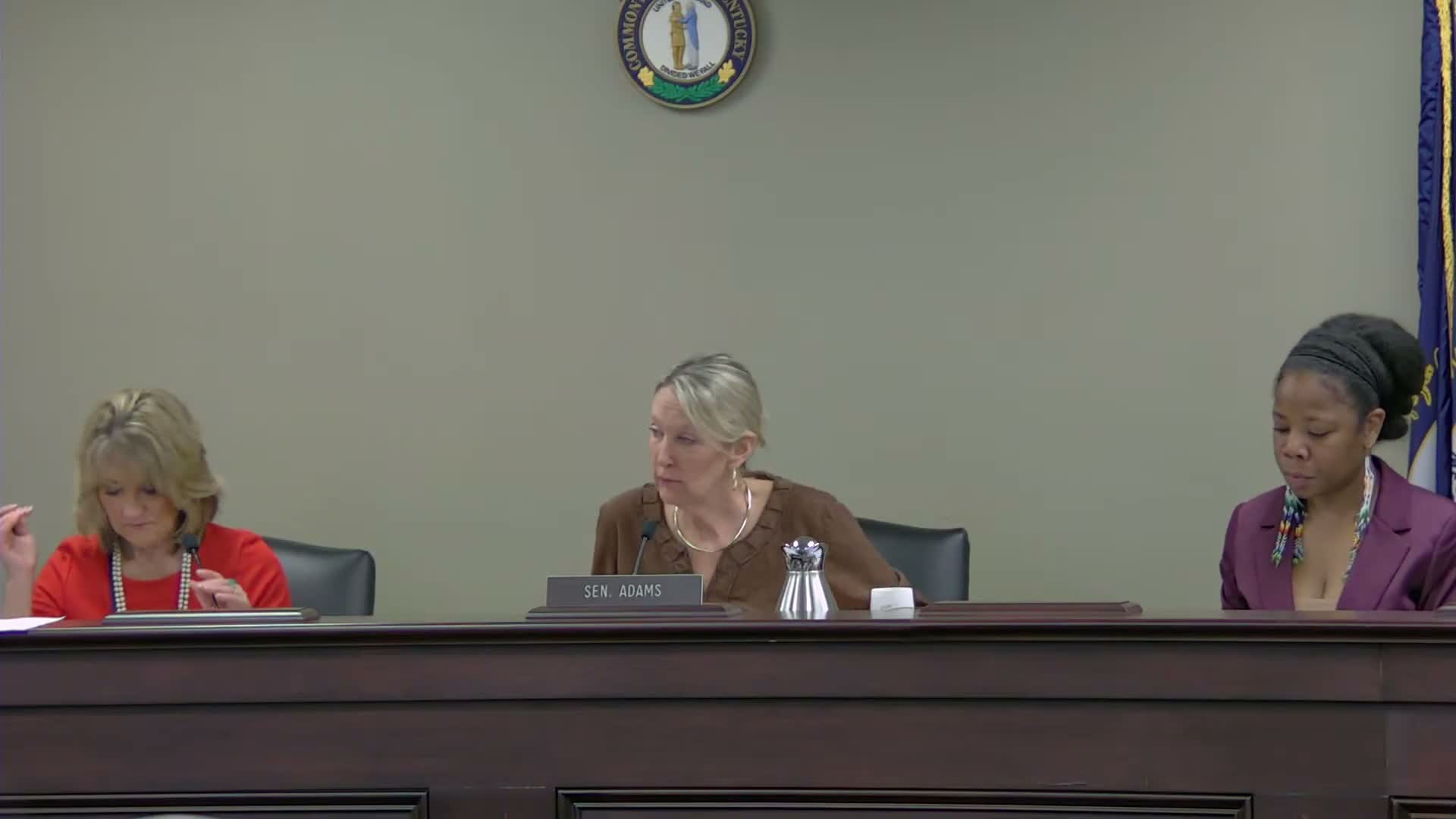
The Senate Standing Committee on Licensing and Occupations on SB 223 considered a proposal to treat THC‑infused beverages the same way Kentucky regulates alcohol, placing oversight with the Department of Alcoholic Beverage Control and restricting sales to licensed establishments in wet territories, committee members were told.
“This legislation ensures that as an emerging industry takes shape, Kentucky leads with a balanced approach that protects public health, supports responsible business practices, and promotes transparency,” sponsor Senator Steve Meredith said as he described the bill’s framework. Meredith told the committee the bill would allow bars, restaurants, caterers, entertainment venues, fairs and festivals to sell THC beverages under a supplemental license, require 21‑and‑older sales and enforcement, create an open‑container offense for vehicles, and direct ABC to promulgate rules by July with an emergency clause so regulations can take effect immediately.
The proposal also preserves Kentucky’s wet/dry territory rules, limiting sales to wet precincts or authorized locations, and grants limited package‑sale rights to dedicated hemp retailers that derive at least 70% of revenue from hemp products, Meredith said.
“Senate Bill 223 simply regulates THC beverages like alcohol, keeping them in licensed establishments, restricting them to adults, and putting ABC clearly in charge,” Meredith said.
Supporters from the hemp industry urged regulated market access and consumer protections. Jim Higdon, cofounder of Cornbread Hemp, said the bill builds on last year’s work and would expand safe, regulated on‑premise sales while supporting testing, labeling and reasonable taxation. “Cornbread Hemp and the broader hemp community in Kentucky are willing partners in this legislative journey,” Higdon said.
Committee questioning focused on federal oversight and tax treatment. Senator Mays Bledsoe asked whether federal regulation exists for THC beverages and whether pending federal legislation could conflict with state action. Meredith replied that federal review of the hemp industry is ongoing and that he was aware of discussion at the federal level but no tangible federal rulemaking or legislation at the time of the hearing. He also said, in response to a question about taxation, that the industry currently does not pay federal taxes as measured against the distilled spirits industry.
Public witnesses split on the proposal. Jane Cole, who identified herself as executive director and president of the Kentucky Ethics League and the Kentucky League on Alcohol and Gambling and Substance Use Disorders, said her organizations oppose the bill and urged caution. “Our first responders are overwhelmed by current drunk drivers. Why do we want to be adding into that mix another intoxicating beverage?” Cole asked. She also warned of possible federal action she said could affect these products.
Jack Mazarach of the Kentucky Distillers Association read a statement urging lawmakers to ensure a level playing field for distilled spirits and to weigh public‑safety, transparency and enforcement concerns before expanding access to THC intoxicating beverages. “Our industry can compete so long as there’s a level playing field,” Mazarach said.
Procedurally, the committee approved a substitute for SB 223 by voice vote during the hearing; no roll‑call tally was recorded in the transcript. No final committee passage on the underlying bill was recorded in the transcript provided.
The hearing record shows the committee taking testimony and approving a substitute; the transcript does not include a final passage vote or the next scheduling step for the bill.
“This legislation ensures that as an emerging industry takes shape, Kentucky leads with a balanced approach that protects public health, supports responsible business practices, and promotes transparency,” sponsor Senator Steve Meredith said as he described the bill’s framework. Meredith told the committee the bill would allow bars, restaurants, caterers, entertainment venues, fairs and festivals to sell THC beverages under a supplemental license, require 21‑and‑older sales and enforcement, create an open‑container offense for vehicles, and direct ABC to promulgate rules by July with an emergency clause so regulations can take effect immediately.
The proposal also preserves Kentucky’s wet/dry territory rules, limiting sales to wet precincts or authorized locations, and grants limited package‑sale rights to dedicated hemp retailers that derive at least 70% of revenue from hemp products, Meredith said.
“Senate Bill 223 simply regulates THC beverages like alcohol, keeping them in licensed establishments, restricting them to adults, and putting ABC clearly in charge,” Meredith said.
Supporters from the hemp industry urged regulated market access and consumer protections. Jim Higdon, cofounder of Cornbread Hemp, said the bill builds on last year’s work and would expand safe, regulated on‑premise sales while supporting testing, labeling and reasonable taxation. “Cornbread Hemp and the broader hemp community in Kentucky are willing partners in this legislative journey,” Higdon said.
Committee questioning focused on federal oversight and tax treatment. Senator Mays Bledsoe asked whether federal regulation exists for THC beverages and whether pending federal legislation could conflict with state action. Meredith replied that federal review of the hemp industry is ongoing and that he was aware of discussion at the federal level but no tangible federal rulemaking or legislation at the time of the hearing. He also said, in response to a question about taxation, that the industry currently does not pay federal taxes as measured against the distilled spirits industry.
Public witnesses split on the proposal. Jane Cole, who identified herself as executive director and president of the Kentucky Ethics League and the Kentucky League on Alcohol and Gambling and Substance Use Disorders, said her organizations oppose the bill and urged caution. “Our first responders are overwhelmed by current drunk drivers. Why do we want to be adding into that mix another intoxicating beverage?” Cole asked. She also warned of possible federal action she said could affect these products.
Jack Mazarach of the Kentucky Distillers Association read a statement urging lawmakers to ensure a level playing field for distilled spirits and to weigh public‑safety, transparency and enforcement concerns before expanding access to THC intoxicating beverages. “Our industry can compete so long as there’s a level playing field,” Mazarach said.
Procedurally, the committee approved a substitute for SB 223 by voice vote during the hearing; no roll‑call tally was recorded in the transcript. No final committee passage on the underlying bill was recorded in the transcript provided.
The hearing record shows the committee taking testimony and approving a substitute; the transcript does not include a final passage vote or the next scheduling step for the bill.
Don't Miss a Word: See the Full Meeting!
Go beyond summaries. Unlock every video, transcript, and key insight with a Founder Membership.
✓
Get instant access to full meeting videos
✓
Search and clip any phrase from complete transcripts
✓
Receive AI-powered summaries & custom alerts
✓
Enjoy lifetime, unrestricted access to government data
30-day money-back guarantee
