Planning board approves 45‑story 259 George Street redevelopment with conditions
March 10, 2026 | Middlesex County, New Jersey
This article was created by AI summarizing key points discussed. AI makes mistakes, so for full details and context, please refer to the video of the full meeting. Please report any errors so we can fix them. Report an error »
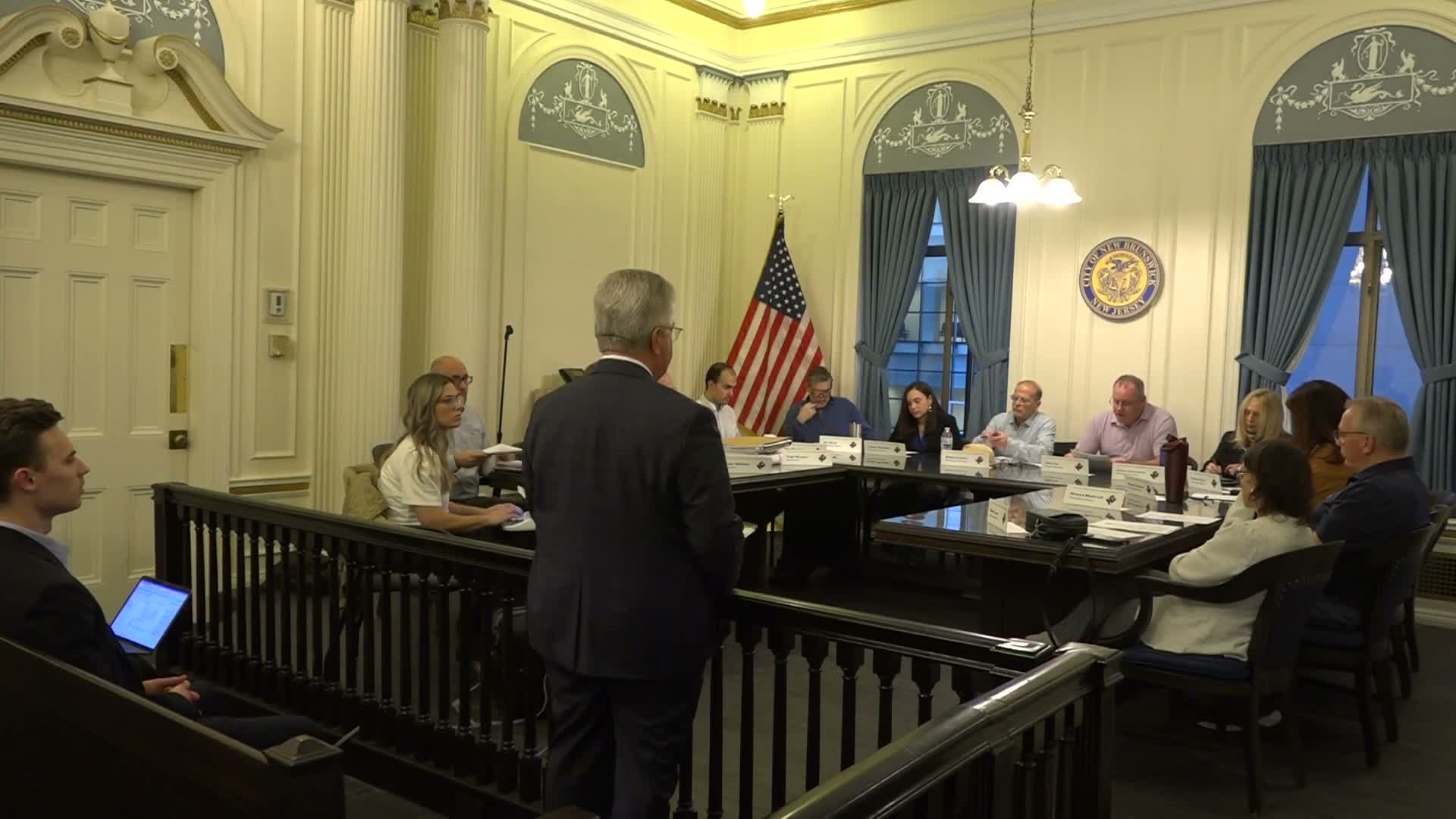
The City of New Brunswick Planning Board on March 9 conditionally approved the site plan for a 45‑story mixed‑use development at 259 George Street that will include about 800 residential units, roughly 24,900 square feet of retail space and structured parking, the board said.
Ken Miller, a developer witness, described the project as transformational for downtown New Brunswick and said the team plans to seek state Aspire tax credits to deliver a 20% affordable unit goal (160 units if credits are awarded). "My name is Ken Miller, and I am chief development officer for the management arm for NV Plaza Urban Renewal LLC," Miller told the board and said the privately financed project is expected to bring substantial construction and permanent jobs to the city.
Civil engineer Christian Roach gave the board numbers on site layout, utilities and parking, saying the plan provides 530 structured stalls plus a required 25 surface spots for the Abundant Life Family Worship Church and meets the redevelopment plan's parking and bike‑parking requirements. "What the applicant is proposing to construct on the property is a 45‑story mixed use building... it'll contain 800 residential units along with 24,900 square feet of retail," Roach said. He also testified the design includes underground stormwater detention and proposes to replace about 950 feet of downstream sewer and upsize an on‑site water line.
Traffic engineer Dan Disarivo told the board the four intersections surrounding the site currently operate efficiently and that, based on the submitted study, the development would not cause a "discernible difference in traffic operations" at those intersections. He recommended monitoring the Nielsen/Tabernacle intersection and said the city could consider an all‑way stop there if conditions change. "As a result of the additional traffic from this project... you would not be able to notice a discernible difference in traffic operations with those four intersections that are surrounding the site," Disarivo testified.
Board members and the applicant clarified several technical waivers: the team requested limited departures for a narrower driveway approach (about 24 feet where some city standards call for wider), some valet aisle widths below a particular charted width in the ordinance, and a small number of compact parking stalls slightly under 9x18. The witnesses described a permanent, professionally managed valet operation and a proposed resident shuttle to the train station.
Public commenters generally split between support and concern. Pastor W. Golden Carmen, representing Abundant Life Family Worship Church, thanked the team but urged attention to neighborhood parking pressures and asked whether public dollars fund the project; the applicant said the development is privately financed. "Are there any public dollars?" Carmen asked; the answer given was no. Dr. John Meyer of the Lower Rafton Watershed Partnership warned the board about Lyell Brook, a historic stream culverted beneath the site that can flood at high tide, and asked how the project will address regional drainage and downstream risk. In response, the applicant agreed to a culvert video inspection and said it would work with city engineering on any necessary repairs or regional mitigation measures.
An attorney in the public raised procedural objections — alleging gaps in ownership disclosure, a survey identified with another firm and that some traffic counts were old — and urged the board to defer action. Board counsel and the applicant responded that engineering and planning departments had reviewed the submitted survey, that professionals had testified about counts and that additional conditions and documentation would be required as part of approval.
After discussion the board adopted a motion to act favorably with multiple conditions: compliance with engineering and planning memos, submission of easements and cross‑access agreements, a site performance bond and inspection escrow, payment of required connection fees, any required county or conservation approvals, submission of revised block/lot and deed documentation to the city's tax assessor, TV (video) inspection of the culvert with repairs if required, limitations on eligibility for street parking permits for occupants of the development, valet parking management, and a shuttle service among other items. The chair took a roll call; the members recorded in the transcript voted "Yes" on the motion.
The board's approval is subject to the listed conditions and the applicant's completion of the required off‑record filings and engineering items before final sign‑off. The planning board recorded the approvals and conditions at the meeting and closed the public portion before finishing board deliberations and taking the vote.
Ken Miller, a developer witness, described the project as transformational for downtown New Brunswick and said the team plans to seek state Aspire tax credits to deliver a 20% affordable unit goal (160 units if credits are awarded). "My name is Ken Miller, and I am chief development officer for the management arm for NV Plaza Urban Renewal LLC," Miller told the board and said the privately financed project is expected to bring substantial construction and permanent jobs to the city.
Civil engineer Christian Roach gave the board numbers on site layout, utilities and parking, saying the plan provides 530 structured stalls plus a required 25 surface spots for the Abundant Life Family Worship Church and meets the redevelopment plan's parking and bike‑parking requirements. "What the applicant is proposing to construct on the property is a 45‑story mixed use building... it'll contain 800 residential units along with 24,900 square feet of retail," Roach said. He also testified the design includes underground stormwater detention and proposes to replace about 950 feet of downstream sewer and upsize an on‑site water line.
Traffic engineer Dan Disarivo told the board the four intersections surrounding the site currently operate efficiently and that, based on the submitted study, the development would not cause a "discernible difference in traffic operations" at those intersections. He recommended monitoring the Nielsen/Tabernacle intersection and said the city could consider an all‑way stop there if conditions change. "As a result of the additional traffic from this project... you would not be able to notice a discernible difference in traffic operations with those four intersections that are surrounding the site," Disarivo testified.
Board members and the applicant clarified several technical waivers: the team requested limited departures for a narrower driveway approach (about 24 feet where some city standards call for wider), some valet aisle widths below a particular charted width in the ordinance, and a small number of compact parking stalls slightly under 9x18. The witnesses described a permanent, professionally managed valet operation and a proposed resident shuttle to the train station.
Public commenters generally split between support and concern. Pastor W. Golden Carmen, representing Abundant Life Family Worship Church, thanked the team but urged attention to neighborhood parking pressures and asked whether public dollars fund the project; the applicant said the development is privately financed. "Are there any public dollars?" Carmen asked; the answer given was no. Dr. John Meyer of the Lower Rafton Watershed Partnership warned the board about Lyell Brook, a historic stream culverted beneath the site that can flood at high tide, and asked how the project will address regional drainage and downstream risk. In response, the applicant agreed to a culvert video inspection and said it would work with city engineering on any necessary repairs or regional mitigation measures.
An attorney in the public raised procedural objections — alleging gaps in ownership disclosure, a survey identified with another firm and that some traffic counts were old — and urged the board to defer action. Board counsel and the applicant responded that engineering and planning departments had reviewed the submitted survey, that professionals had testified about counts and that additional conditions and documentation would be required as part of approval.
After discussion the board adopted a motion to act favorably with multiple conditions: compliance with engineering and planning memos, submission of easements and cross‑access agreements, a site performance bond and inspection escrow, payment of required connection fees, any required county or conservation approvals, submission of revised block/lot and deed documentation to the city's tax assessor, TV (video) inspection of the culvert with repairs if required, limitations on eligibility for street parking permits for occupants of the development, valet parking management, and a shuttle service among other items. The chair took a roll call; the members recorded in the transcript voted "Yes" on the motion.
The board's approval is subject to the listed conditions and the applicant's completion of the required off‑record filings and engineering items before final sign‑off. The planning board recorded the approvals and conditions at the meeting and closed the public portion before finishing board deliberations and taking the vote.
Don't Miss a Word: See the Full Meeting!
Go beyond summaries. Unlock every video, transcript, and key insight with a Founder Membership.
✓
Get instant access to full meeting videos
✓
Search and clip any phrase from complete transcripts
✓
Receive AI-powered summaries & custom alerts
✓
Enjoy lifetime, unrestricted access to government data
30-day money-back guarantee
