Missoula forum urges Forest Service to keep 2001 Roadless Rule, citing risks to wildlife, water and recreation
March 10, 2026 | Missoula, Missoula County, Montana
This article was created by AI summarizing key points discussed. AI makes mistakes, so for full details and context, please refer to the video of the full meeting. Please report any errors so we can fix them. Report an error »
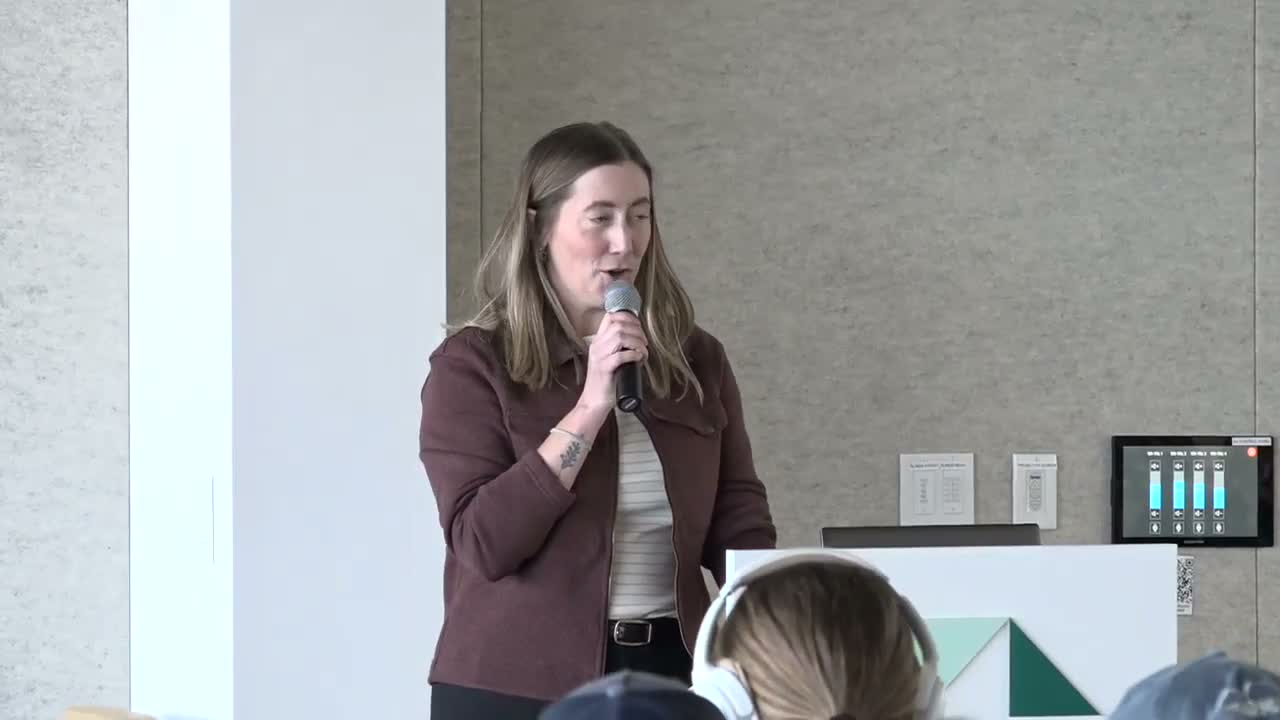
A packed public forum in Missoula on the U.S. Forest Service's proposed rollback of the 2001 Roadless Area Conservation Rule concluded with panelists and dozens of residents urging the agency to preserve roadless protections to safeguard wildlife habitat, cold-water fisheries and the backcountry experience.
"We are here tonight to discuss the future of the roadless rule and the management of our national forests," said facilitator Tori Anderson, who opened the meeting and told attendees the full transcript will be submitted to the Forest Service's draft environmental impact statement (EIS) comment period, expected in late March or early April.
Panelists framed the stakes. Jim Burchfield, introduced as a former dean at the University of Montana's College of Forestry and Conservation, said large, unroaded areas are key to protecting clean water and biodiversity and cautioned that roads increase human ignitions and invasive species. "The roadless areas are roadless for a reason," he said, arguing that limited fuel treatments should focus where they will have meaningful impact rather than opening remote roadless lands to development.
Greg Munther, a longtime Lolo National Forest fisheries biologist and district ranger, told the audience that roads raise mortality for species such as grizzly bears and disrupt headwater streams that sustain native trout. "Roads equal mortality," he said, warning that road construction tends to increase water temperatures and interrupt fish passage, harming populations such as bull trout.
Tricia Drobak, executive director of Run Wild Missoula, emphasized how the remoteness the rule preserves supports volunteer stewardship and recreation. "Roadless doesn't actually mean closed," she said, but new road construction and fragmentation remove the solitude and intact landscapes that many outdoor events and volunteer efforts rely on.
Public commenters echoed the panel. Speakers representing local volunteer groups, hunters and former Forest Service staff pointed to multiple concerns: potential loss of grizzly and elk habitat, warming and fragmentation of headwaters, reduced access to uncrowded backcountry experiences, and the practical problem of paying for and maintaining expanded road networks. "If the roadless rule is rescinded, then the management plans for grizzly bears that are necessary to delist grizzly bears are invalid," said Chris Serbheen, a local hunter and advocate.
Former Forest Service employees and others also raised budget and logistical questions. Andy Kula, who said he worked with the Forest Service for about 30 years, noted the agency already manages an extensive road network and faces a large maintenance backlog; he questioned who would build and maintain any newly authorized roads.
Speakers urged civic action: contacting legislators, submitting detailed comments during the EIS public comment period, and, where appropriate, pursuing legislative protections. Several commenters suggested that some roadless areas be proposed for wilderness designation to create permanent protections.
The meeting closed with logistical reminders. Anderson said additional listening sessions were scheduled across Montana (Hamilton, Butte, Bozeman and Helena) and reiterated that written and oral comments and the meeting transcript will be submitted to the Forest Service; organizers directed attendees to roadlessrulemt.org and offered onsite staff (Hillary) for follow-up.
What happens next: the Forest Service is preparing a draft EIS and will open a public comment period; organizers urged Missoula residents to submit specific, constructive comments explaining how rescission would affect wildlife, water and recreational access.
"We are here tonight to discuss the future of the roadless rule and the management of our national forests," said facilitator Tori Anderson, who opened the meeting and told attendees the full transcript will be submitted to the Forest Service's draft environmental impact statement (EIS) comment period, expected in late March or early April.
Panelists framed the stakes. Jim Burchfield, introduced as a former dean at the University of Montana's College of Forestry and Conservation, said large, unroaded areas are key to protecting clean water and biodiversity and cautioned that roads increase human ignitions and invasive species. "The roadless areas are roadless for a reason," he said, arguing that limited fuel treatments should focus where they will have meaningful impact rather than opening remote roadless lands to development.
Greg Munther, a longtime Lolo National Forest fisheries biologist and district ranger, told the audience that roads raise mortality for species such as grizzly bears and disrupt headwater streams that sustain native trout. "Roads equal mortality," he said, warning that road construction tends to increase water temperatures and interrupt fish passage, harming populations such as bull trout.
Tricia Drobak, executive director of Run Wild Missoula, emphasized how the remoteness the rule preserves supports volunteer stewardship and recreation. "Roadless doesn't actually mean closed," she said, but new road construction and fragmentation remove the solitude and intact landscapes that many outdoor events and volunteer efforts rely on.
Public commenters echoed the panel. Speakers representing local volunteer groups, hunters and former Forest Service staff pointed to multiple concerns: potential loss of grizzly and elk habitat, warming and fragmentation of headwaters, reduced access to uncrowded backcountry experiences, and the practical problem of paying for and maintaining expanded road networks. "If the roadless rule is rescinded, then the management plans for grizzly bears that are necessary to delist grizzly bears are invalid," said Chris Serbheen, a local hunter and advocate.
Former Forest Service employees and others also raised budget and logistical questions. Andy Kula, who said he worked with the Forest Service for about 30 years, noted the agency already manages an extensive road network and faces a large maintenance backlog; he questioned who would build and maintain any newly authorized roads.
Speakers urged civic action: contacting legislators, submitting detailed comments during the EIS public comment period, and, where appropriate, pursuing legislative protections. Several commenters suggested that some roadless areas be proposed for wilderness designation to create permanent protections.
The meeting closed with logistical reminders. Anderson said additional listening sessions were scheduled across Montana (Hamilton, Butte, Bozeman and Helena) and reiterated that written and oral comments and the meeting transcript will be submitted to the Forest Service; organizers directed attendees to roadlessrulemt.org and offered onsite staff (Hillary) for follow-up.
What happens next: the Forest Service is preparing a draft EIS and will open a public comment period; organizers urged Missoula residents to submit specific, constructive comments explaining how rescission would affect wildlife, water and recreational access.
View the Full Meeting & All Its Details
This article offers just a summary. Unlock complete video, transcripts, and insights as a Founder Member.
✓
Watch full, unedited meeting videos
✓
Search every word spoken in unlimited transcripts
✓
AI summaries & real-time alerts (all government levels)
✓
Permanent access to expanding government content
30-day money-back guarantee
