Missoula panelists warn special-education services and behavioral supports face funding squeeze
March 09, 2026 | Missoula, Missoula County, Montana
This article was created by AI summarizing key points discussed. AI makes mistakes, so for full details and context, please refer to the video of the full meeting. Please report any errors so we can fix them. Report an error »
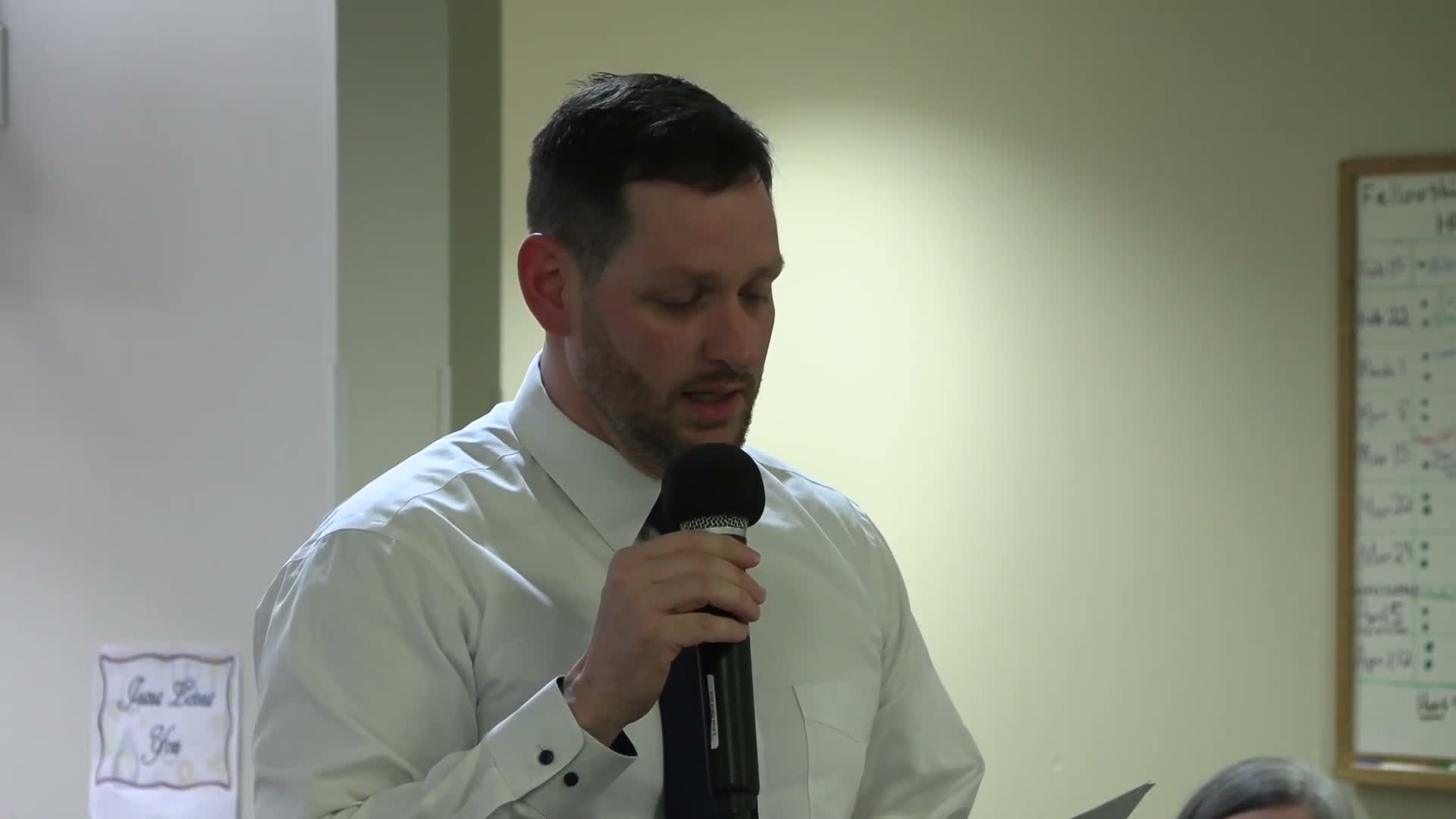
Panelists at an Indivisible Missoula town hall raised alarm about special-education funding and the patchwork of services schools rely on as Medicaid and federal supports shift.
Brandon Brown, director of special services at Hellgate Elementary, said the Individuals with Disabilities Education Act envisioned roughly 40% excess-cost reimbursement to districts but that Montana historically returns only about 10–13% of those costs. He told the room that districts frequently rely on contracting or teletherapy when locally employed specialists are unavailable, but those contracts can cost more than districts can afford: "To go through teletherapy today, it's $85 an hour... When you run the numbers, that's $80,000 from now to the end of the year" to replace a single provider, Brown said.
Audience members asked whether local or state efforts exist to replace Medicaid support for behavioral services. Panelists said there is no single substitute and that schools are partnering with community organizations (Partnership Health, Yellowstone Boys & Girls, crisis mobile units) to provide tiered behavioral supports. They warned that substantial Medicaid reductions would force difficult trade-offs and potentially lower service quality.
Why it matters: students with disabilities rely on timely evaluations, certified therapists and procedural safeguards. Panelists urged clearer state reimbursement, simplified funding formulas and multi‑year commitments so districts can plan staffing and contractors rather than making reactive cuts.
The town hall included proposals to pursue state-level advocacy and to highlight the cost disparities for special-education services during the decennial funding review. Panelists emphasized that without predictable funding increases, small and rural schools are especially vulnerable to losing services.
Brandon Brown, director of special services at Hellgate Elementary, said the Individuals with Disabilities Education Act envisioned roughly 40% excess-cost reimbursement to districts but that Montana historically returns only about 10–13% of those costs. He told the room that districts frequently rely on contracting or teletherapy when locally employed specialists are unavailable, but those contracts can cost more than districts can afford: "To go through teletherapy today, it's $85 an hour... When you run the numbers, that's $80,000 from now to the end of the year" to replace a single provider, Brown said.
Audience members asked whether local or state efforts exist to replace Medicaid support for behavioral services. Panelists said there is no single substitute and that schools are partnering with community organizations (Partnership Health, Yellowstone Boys & Girls, crisis mobile units) to provide tiered behavioral supports. They warned that substantial Medicaid reductions would force difficult trade-offs and potentially lower service quality.
Why it matters: students with disabilities rely on timely evaluations, certified therapists and procedural safeguards. Panelists urged clearer state reimbursement, simplified funding formulas and multi‑year commitments so districts can plan staffing and contractors rather than making reactive cuts.
The town hall included proposals to pursue state-level advocacy and to highlight the cost disparities for special-education services during the decennial funding review. Panelists emphasized that without predictable funding increases, small and rural schools are especially vulnerable to losing services.
View the Full Meeting & All Its Details
This article offers just a summary. Unlock complete video, transcripts, and insights as a Founder Member.
✓
Watch full, unedited meeting videos
✓
Search every word spoken in unlimited transcripts
✓
AI summaries & real-time alerts (all government levels)
✓
Permanent access to expanding government content
30-day money-back guarantee
