Broad Medicaid changes in HB 2 prompt debate over copays, redeterminations and protections for medically frail
March 10, 2026 | 2026 Legislature KY, Kentucky
This article was created by AI summarizing key points discussed. AI makes mistakes, so for full details and context, please refer to the video of the full meeting. Please report any errors so we can fix them. Report an error »
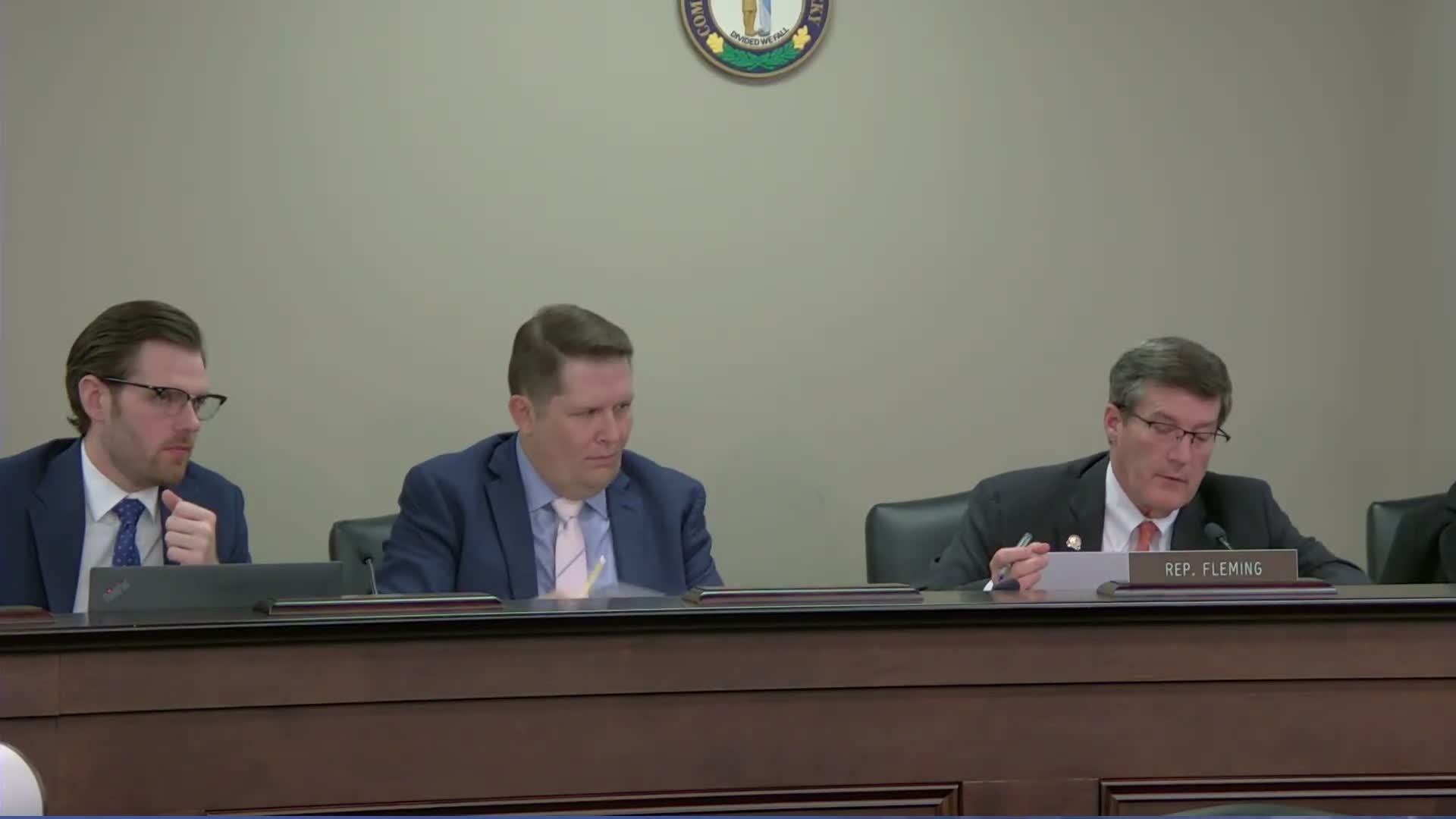
House Bill 2 — a comprehensive Medicaid bill addressing federal compliance, program integrity and operational changes — was the meeting’s most contested item. Chair and sponsors described several intended amendments: adjusting a hardship provision tied to county unemployment to better reflect local conditions, changing redetermination timing to conform with federal guidance (moving an effective date to Jan. 1, 2027), and building new data reporting housed with the Legislative Research Commission (LRC).
Board members and stakeholders raised multiple concerns. Dr. Sheila Shuster urged that self-attestation and documentation be auditable and explained in plain language, warning that beneficiaries without internet access or with literacy challenges risk losing coverage through procedural errors. She and others urged presumptive eligibility and clearer appeals processes so people would not be disenrolled while paperwork is pending.
Several legislators and provider representatives debated cost-sharing and copay provisions required by HR 1. Sponsor comments noted some copay changes would begin Oct. 1, 2028, while other provisions had earlier dates in HB 2; advocates (including the American Cancer Society Cancer Action Network) urged aligning state effective dates with federal timelines to avoid prematurely imposing cost-sharing on patients with serious conditions. Board members discussed minimizing administrative costs of small copays, the disproportionate burden on rural providers, and proposals for improved MCO audit transparency and monthly reporting on denials, clawbacks and audit outcomes.
Public commenters recounted lived experiences they said illustrate risks from stricter reenrollment or reporting rules. Missy Nulin (Newland in chair’s cue) said higher copays and more paperwork would harm gig workers and low-income Kentuckians and risk procedural losses of coverage; Maggie Chisholm recounted a fatal case in which her daughter Evie — a child with complex cardiac needs — nearly lost a waiver while hospitalized and later died, urging policies that account for crisis periods. Michael Wynne (Grace Health) relayed a case where presumptive eligibility enabled immediate enrollment and care for a person experiencing homelessness. Doug Hogan (American Cancer Society) asked sponsors to delay implementation of maximum copays and longer look-back reenrollment periods so federal guidance could be finalized and potential harms to cancer patients avoided.
Sponsors emphasized intent to protect coverage and to include appeals and hardship discretion for the secretary; they also said they would work with the board, LRC and stakeholders to refine data stewardship and implementation timing. No final votes were taken; sponsors said they expect amendments as HB 2 moves through the process.
Board members and stakeholders raised multiple concerns. Dr. Sheila Shuster urged that self-attestation and documentation be auditable and explained in plain language, warning that beneficiaries without internet access or with literacy challenges risk losing coverage through procedural errors. She and others urged presumptive eligibility and clearer appeals processes so people would not be disenrolled while paperwork is pending.
Several legislators and provider representatives debated cost-sharing and copay provisions required by HR 1. Sponsor comments noted some copay changes would begin Oct. 1, 2028, while other provisions had earlier dates in HB 2; advocates (including the American Cancer Society Cancer Action Network) urged aligning state effective dates with federal timelines to avoid prematurely imposing cost-sharing on patients with serious conditions. Board members discussed minimizing administrative costs of small copays, the disproportionate burden on rural providers, and proposals for improved MCO audit transparency and monthly reporting on denials, clawbacks and audit outcomes.
Public commenters recounted lived experiences they said illustrate risks from stricter reenrollment or reporting rules. Missy Nulin (Newland in chair’s cue) said higher copays and more paperwork would harm gig workers and low-income Kentuckians and risk procedural losses of coverage; Maggie Chisholm recounted a fatal case in which her daughter Evie — a child with complex cardiac needs — nearly lost a waiver while hospitalized and later died, urging policies that account for crisis periods. Michael Wynne (Grace Health) relayed a case where presumptive eligibility enabled immediate enrollment and care for a person experiencing homelessness. Doug Hogan (American Cancer Society) asked sponsors to delay implementation of maximum copays and longer look-back reenrollment periods so federal guidance could be finalized and potential harms to cancer patients avoided.
Sponsors emphasized intent to protect coverage and to include appeals and hardship discretion for the secretary; they also said they would work with the board, LRC and stakeholders to refine data stewardship and implementation timing. No final votes were taken; sponsors said they expect amendments as HB 2 moves through the process.
View the Full Meeting & All Its Details
This article offers just a summary. Unlock complete video, transcripts, and insights as a Founder Member.
✓
Watch full, unedited meeting videos
✓
Search every word spoken in unlimited transcripts
✓
AI summaries & real-time alerts (all government levels)
✓
Permanent access to expanding government content
30-day money-back guarantee
