Health commissioner warns committee higher-potency cannabis could raise youth mental-health risks
March 10, 2026 | Economic Development, Housing & General Affairs, SENATE, Committees, Legislative , Vermont
This article was created by AI summarizing key points discussed. AI makes mistakes, so for full details and context, please refer to the video of the full meeting. Please report any errors so we can fix them. Report an error »
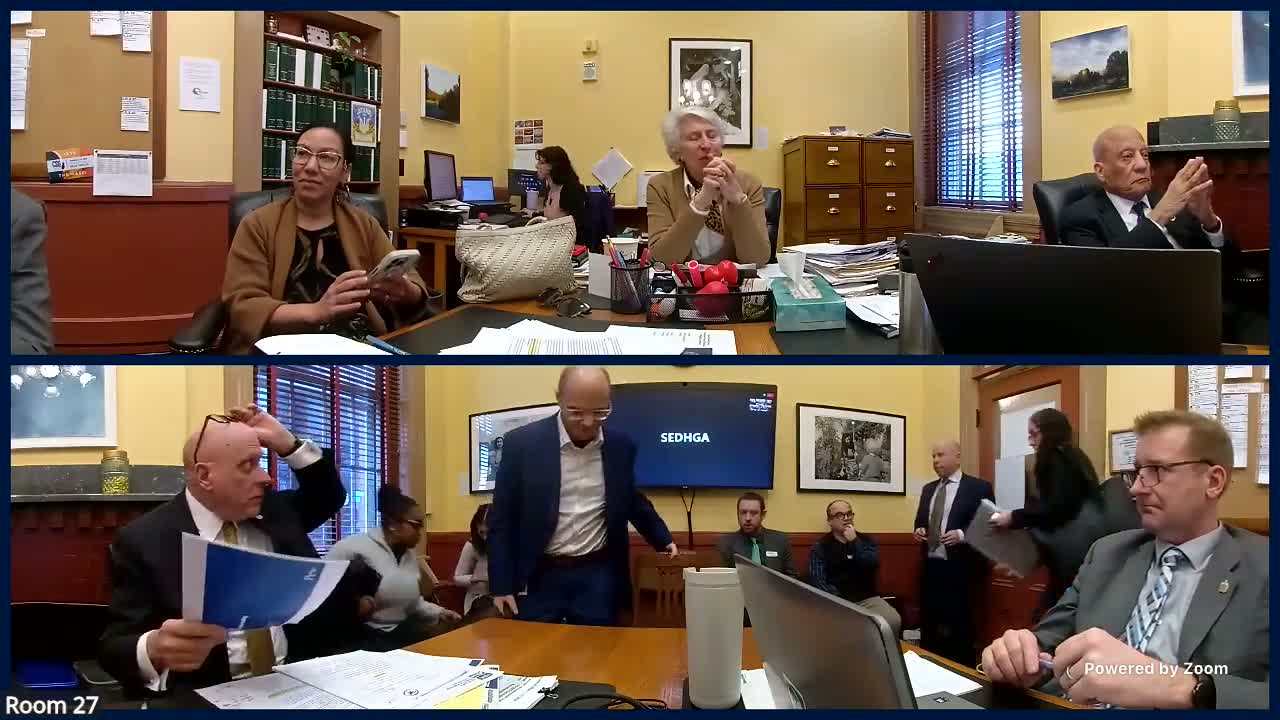
Commissioner Helgeland (introduced by the Chair) told the Senate committee that recent public-health evidence points to an association between higher-potency THC products and increased risk of psychosis and other adverse mental-health outcomes in youth. He described anecdotal clinical impressions from therapeutic programs and cited a recent longitudinal California study of youth suggesting a dose–response relationship between cannabis exposure and later psychosis risk.
The commissioner urged caution about raising statewide potency caps, arguing that legalization’s role is to move consumers from an illicit to a regulated market with protective limits. Committee members countered that neighboring states have higher or no caps and asked the commissioner to provide comparative evidence about public-health outcomes in those states. Members also probed whether the Department had data on pediatric poisonings and whether increases in availability would meaningfully change youth access despite age restrictions.
The committee paused further action on potency increases pending a follow-up submission from the Department comparing outcomes in states that raised or removed caps, and asked the commissioner to return with additional analysis and references to the studies he cited.
The commissioner urged caution about raising statewide potency caps, arguing that legalization’s role is to move consumers from an illicit to a regulated market with protective limits. Committee members countered that neighboring states have higher or no caps and asked the commissioner to provide comparative evidence about public-health outcomes in those states. Members also probed whether the Department had data on pediatric poisonings and whether increases in availability would meaningfully change youth access despite age restrictions.
The committee paused further action on potency increases pending a follow-up submission from the Department comparing outcomes in states that raised or removed caps, and asked the commissioner to return with additional analysis and references to the studies he cited.
View the Full Meeting & All Its Details
This article offers just a summary. Unlock complete video, transcripts, and insights as a Founder Member.
✓
Watch full, unedited meeting videos
✓
Search every word spoken in unlimited transcripts
✓
AI summaries & real-time alerts (all government levels)
✓
Permanent access to expanding government content
30-day money-back guarantee
