Delaney substitute would tie state prescription prices to Medicare negotiations; industry calls it price control
March 09, 2026 | 2026 Legislature VA, Virginia
This article was created by AI summarizing key points discussed. AI makes mistakes, so for full details and context, please refer to the video of the full meeting. Please report any errors so we can fix them. Report an error »
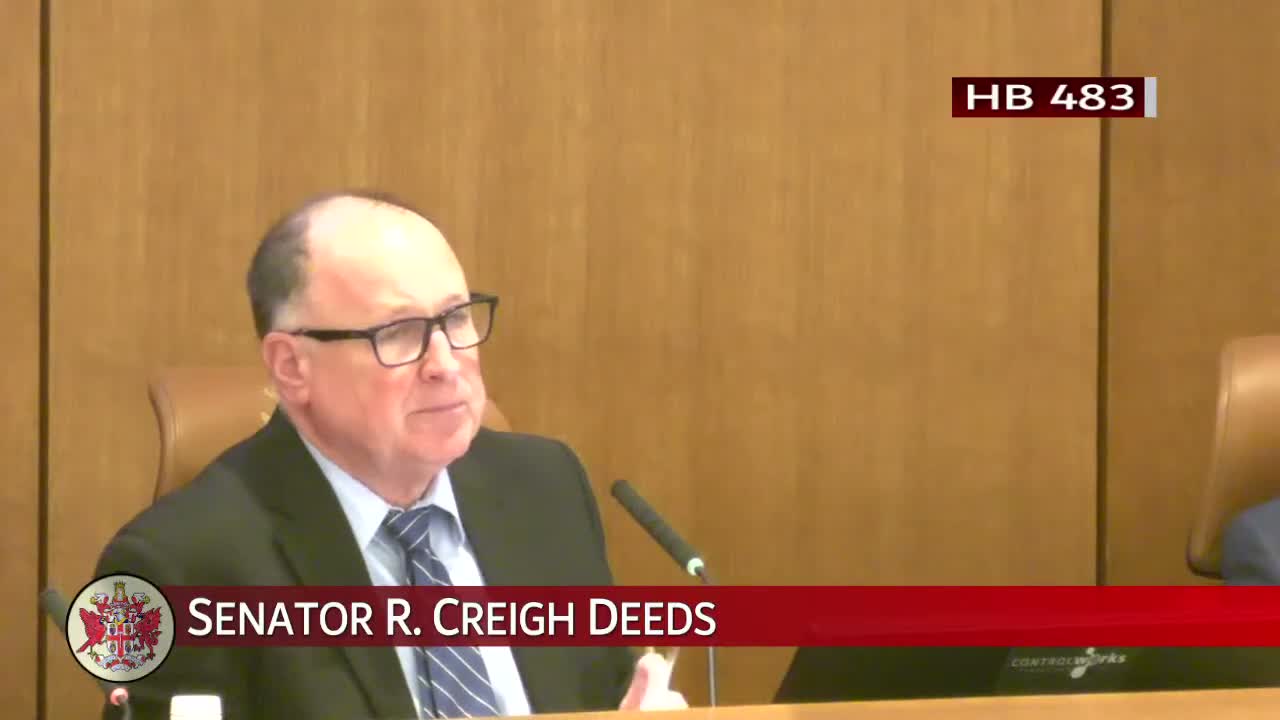
Delegate Delaney on Tuesday presented a negotiated substitute aimed at lowering prescription drug costs by aligning Virginia pricing with the Medicare prices established under the federal Inflation Reduction Act. The bill converts a previously proposed Prescription Drug Affordability Board into an advisory panel and directs the state to "mirror" Medicare prices for certain high-cost drugs, with the Medicare-pricing component scheduled to take effect Jan. 1, 2027.
The substitute also moves enforcement responsibility from the Attorney General's Office to the state health commissioner, restores a rare-disease exemption, and sets penalties at $100,000 while exempting wholesalers from fines. "The key element that makes this bill different ' is aligning with the federal practice from the IRA ' making sure that we're tethering those prices to what has already been tested," Delaney said in explaining the substitute.
Pharmaceutical industry representatives said they were still reviewing the substitute and warned it contained elements of price controls. "I still would point out that this is a price control bill," said Chris White, who identified himself as representing the pharmaceutical industry, while acknowledging some improvements in the sponsor's changes. The Virginia Biotechnology Association said it opposed the measure in its current form and adopted earlier remarks from industry witnesses.
Supporters urged the committee to view the substitute as a pragmatic approach that uses federal negotiating outcomes to reduce costs for Virginians. Jerry Calfee of ARP Virginia said the panel approach increases transparency without establishing a new, independent regulatory authority; Freedom Virginia's Ryan O'Toole said the proposal was "a first-in-nation approach" to use Medicare-negotiated maximum fair prices as Virginia's model.
Senators asked whether the approach would work where other states had struggled; Delaney and other supporters said mirroring federal pricing avoids pitfalls that slowed other state boards. After questions and public testimony, the committee voted to report the substitute and refer it to the Senate Finance Committee (recorded roll: yes 12, no 3). The bill will next be considered in finance, where further amendments and fiscal review are expected.
The substitute also moves enforcement responsibility from the Attorney General's Office to the state health commissioner, restores a rare-disease exemption, and sets penalties at $100,000 while exempting wholesalers from fines. "The key element that makes this bill different ' is aligning with the federal practice from the IRA ' making sure that we're tethering those prices to what has already been tested," Delaney said in explaining the substitute.
Pharmaceutical industry representatives said they were still reviewing the substitute and warned it contained elements of price controls. "I still would point out that this is a price control bill," said Chris White, who identified himself as representing the pharmaceutical industry, while acknowledging some improvements in the sponsor's changes. The Virginia Biotechnology Association said it opposed the measure in its current form and adopted earlier remarks from industry witnesses.
Supporters urged the committee to view the substitute as a pragmatic approach that uses federal negotiating outcomes to reduce costs for Virginians. Jerry Calfee of ARP Virginia said the panel approach increases transparency without establishing a new, independent regulatory authority; Freedom Virginia's Ryan O'Toole said the proposal was "a first-in-nation approach" to use Medicare-negotiated maximum fair prices as Virginia's model.
Senators asked whether the approach would work where other states had struggled; Delaney and other supporters said mirroring federal pricing avoids pitfalls that slowed other state boards. After questions and public testimony, the committee voted to report the substitute and refer it to the Senate Finance Committee (recorded roll: yes 12, no 3). The bill will next be considered in finance, where further amendments and fiscal review are expected.
View the Full Meeting & All Its Details
This article offers just a summary. Unlock complete video, transcripts, and insights as a Founder Member.
✓
Watch full, unedited meeting videos
✓
Search every word spoken in unlimited transcripts
✓
AI summaries & real-time alerts (all government levels)
✓
Permanent access to expanding government content
30-day money-back guarantee
