Appeals court weighs whether park owners followed statutory procedures before discontinuing and selling a mobile‑home park
March 09, 2026 | Judicial - Appeals Court Oral Arguments, Judicial, Massachusetts
This article was created by AI summarizing key points discussed. AI makes mistakes, so for full details and context, please refer to the video of the full meeting. Please report any errors so we can fix them. Report an error »
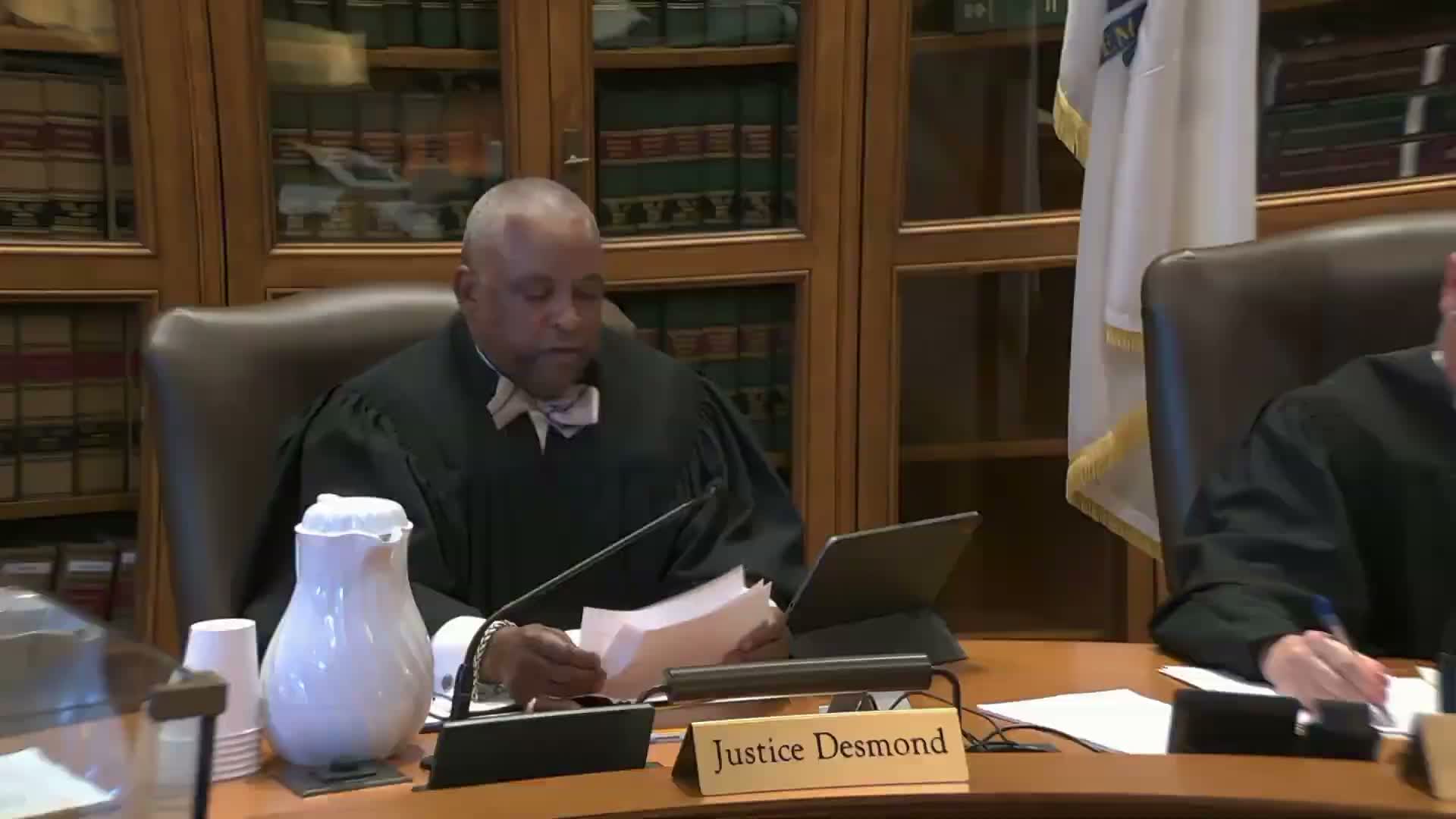
The court heard extended argument in the Blackman’s Post matter (Docket 25P1078) about whether the owners’ discontinuance and sale process complied with statutory protections for mobile‑home owners and with a 1988 settlement agreement covering the park.
Donald Solomon, for the appellants, argued that defendants’ representations in notices and dealings led tenants to rely on the 1988 agreement and that defendants later treated the agreement as a nullity while relying on it in communications — conduct Solomon described as inequitable. He argued the agreement and statutory protections together required procedural notice, a proper 100‑mile survey and an appropriate right‑of‑first‑refusal process before any sale or removal of tenants.
Defense counsel disputed the claim the settlement remained enforceable without limit, pointing to assertions that the 30‑year term had expired and to later litigation positions. The parties disputed whether discontinuance could precede a sale, whether the owner could clear the park and then market it to maximize value, and whether tenants’ right of first refusal requires an owner to present a signed purchase contract before discontinuing.
The attorney general’s amicus position (discussed at argument) urged robust tenant protections and emphasized that statutory notice requirements and the sequence for discontinuance and sale matter to preserve tenants’ opportunities to remain. The panel probed whether the different practical facts on the ground (seasonal tenants, some with other homes) affected statutory protections and what remedy and sequencing the statute required.
The court recessed after argument.
Why it matters: The outcome will affect how owners must sequence discontinuance and sale, the notice and survey obligations owed to tenants, and the interpretation and enforceability of long‑standing settlement agreements in the mobile‑home context.
Donald Solomon, for the appellants, argued that defendants’ representations in notices and dealings led tenants to rely on the 1988 agreement and that defendants later treated the agreement as a nullity while relying on it in communications — conduct Solomon described as inequitable. He argued the agreement and statutory protections together required procedural notice, a proper 100‑mile survey and an appropriate right‑of‑first‑refusal process before any sale or removal of tenants.
Defense counsel disputed the claim the settlement remained enforceable without limit, pointing to assertions that the 30‑year term had expired and to later litigation positions. The parties disputed whether discontinuance could precede a sale, whether the owner could clear the park and then market it to maximize value, and whether tenants’ right of first refusal requires an owner to present a signed purchase contract before discontinuing.
The attorney general’s amicus position (discussed at argument) urged robust tenant protections and emphasized that statutory notice requirements and the sequence for discontinuance and sale matter to preserve tenants’ opportunities to remain. The panel probed whether the different practical facts on the ground (seasonal tenants, some with other homes) affected statutory protections and what remedy and sequencing the statute required.
The court recessed after argument.
Why it matters: The outcome will affect how owners must sequence discontinuance and sale, the notice and survey obligations owed to tenants, and the interpretation and enforceability of long‑standing settlement agreements in the mobile‑home context.
Don't Miss a Word: See the Full Meeting!
Go beyond summaries. Unlock every video, transcript, and key insight with a Founder Membership.
✓
Get instant access to full meeting videos
✓
Search and clip any phrase from complete transcripts
✓
Receive AI-powered summaries & custom alerts
✓
Enjoy lifetime, unrestricted access to government data
30-day money-back guarantee
