Pitkin County landfill tour underscores limits of 'zero waste' and spotlights new reuse, compost efforts
March 09, 2026 | Pitkin County, Colorado
This article was created by AI summarizing key points discussed. AI makes mistakes, so for full details and context, please refer to the video of the full meeting. Please report any errors so we can fix them. Report an error »
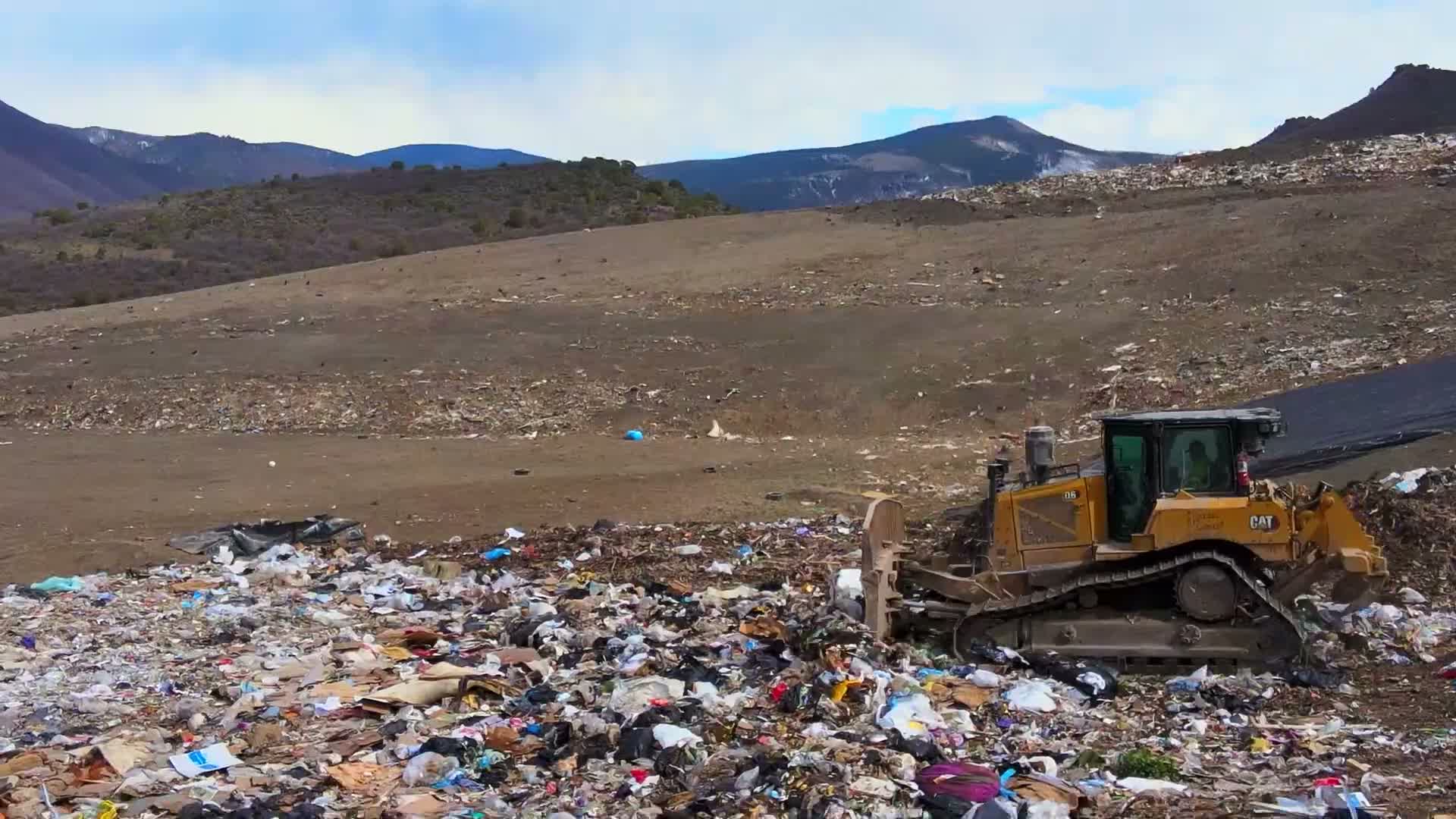
At a public tour of the Pitkin County solid waste center near Aspen, staff and community members said "zero waste doesn't exist; it's impossible," and argued expanding reuse and compost facilities are the most practical ways to stretch landfill life and reduce greenhouse gas emissions. A staff member (S1) warned that continued filling could make the landfill 60 to 70 feet taller and visible over surrounding ridgelines.
The tour and community discussion combined operational briefing and local perspective. Organizers showed plans for a consolidated campus that would house a scale house, a mercantile reuse center, household hazardous waste collection, recycling and operations buildings in one location. A presenter (S5) said improvements will increase capacity for diversion and provide better program facilities for staff and residents.
Speakers described several long-standing challenges. Staff members noted that much diverted material currently goes to the Front Range because Western Slope infrastructure is limited, and that weather or road closures sometimes prevent shipments. A presenter (S5) said that at one point almost 60% of what went into the landfill was construction and demolition (C&D) debris, and participants discussed separating dimensional wood, metal, brick and concrete so aggregates can be reprocessed as road base or other reused materials.
Composting drew consistent support. A staff member (S6) explained that composting keeps green waste from becoming anaerobic in landfill cells, which produces methane, and reduces the airspace the landfill requires. Speakers linked composting to local benefits: improved soil moisture for agriculture and parks and reduced climate impact by avoiding methane emissions.
The discussion also emphasized the role of community participation. Speakers described the existing Mercantile reuse project as a place for residents to buy and donate usable goods, reducing online purchases and shipping; S7 said the reuse operation was recently staffed. Outreach and education—teaching students and residents about contamination, what can be composted and when—were presented as critical to sustaining diversion rates.
Tasha Fuller, a solid waste worker who identified herself during the event, said she "loves my job" and praised the county's staff and community for support. Organizers provided staff lunches and a family-friendly atmosphere during the event, underscoring the local workforce role in running diversion programs.
No formal votes or policy actions were taken at the tour; staff and community members framed the event as informational and celebratory while underscoring practical steps—expanded diversion facilities, reprocessing C&D material and outreach—to extend Pitkin County's landfill life.
The tour and community discussion combined operational briefing and local perspective. Organizers showed plans for a consolidated campus that would house a scale house, a mercantile reuse center, household hazardous waste collection, recycling and operations buildings in one location. A presenter (S5) said improvements will increase capacity for diversion and provide better program facilities for staff and residents.
Speakers described several long-standing challenges. Staff members noted that much diverted material currently goes to the Front Range because Western Slope infrastructure is limited, and that weather or road closures sometimes prevent shipments. A presenter (S5) said that at one point almost 60% of what went into the landfill was construction and demolition (C&D) debris, and participants discussed separating dimensional wood, metal, brick and concrete so aggregates can be reprocessed as road base or other reused materials.
Composting drew consistent support. A staff member (S6) explained that composting keeps green waste from becoming anaerobic in landfill cells, which produces methane, and reduces the airspace the landfill requires. Speakers linked composting to local benefits: improved soil moisture for agriculture and parks and reduced climate impact by avoiding methane emissions.
The discussion also emphasized the role of community participation. Speakers described the existing Mercantile reuse project as a place for residents to buy and donate usable goods, reducing online purchases and shipping; S7 said the reuse operation was recently staffed. Outreach and education—teaching students and residents about contamination, what can be composted and when—were presented as critical to sustaining diversion rates.
Tasha Fuller, a solid waste worker who identified herself during the event, said she "loves my job" and praised the county's staff and community for support. Organizers provided staff lunches and a family-friendly atmosphere during the event, underscoring the local workforce role in running diversion programs.
No formal votes or policy actions were taken at the tour; staff and community members framed the event as informational and celebratory while underscoring practical steps—expanded diversion facilities, reprocessing C&D material and outreach—to extend Pitkin County's landfill life.
View the Full Meeting & All Its Details
This article offers just a summary. Unlock complete video, transcripts, and insights as a Founder Member.
✓
Watch full, unedited meeting videos
✓
Search every word spoken in unlimited transcripts
✓
AI summaries & real-time alerts (all government levels)
✓
Permanent access to expanding government content
30-day money-back guarantee
