Rutgers–Newark chancellor outlines 'student journey' mapping and one-stop center to boost retention and equity
March 06, 2026 | Middlesex County, New Jersey
This article was created by AI summarizing key points discussed. AI makes mistakes, so for full details and context, please refer to the video of the full meeting. Please report any errors so we can fix them. Report an error »
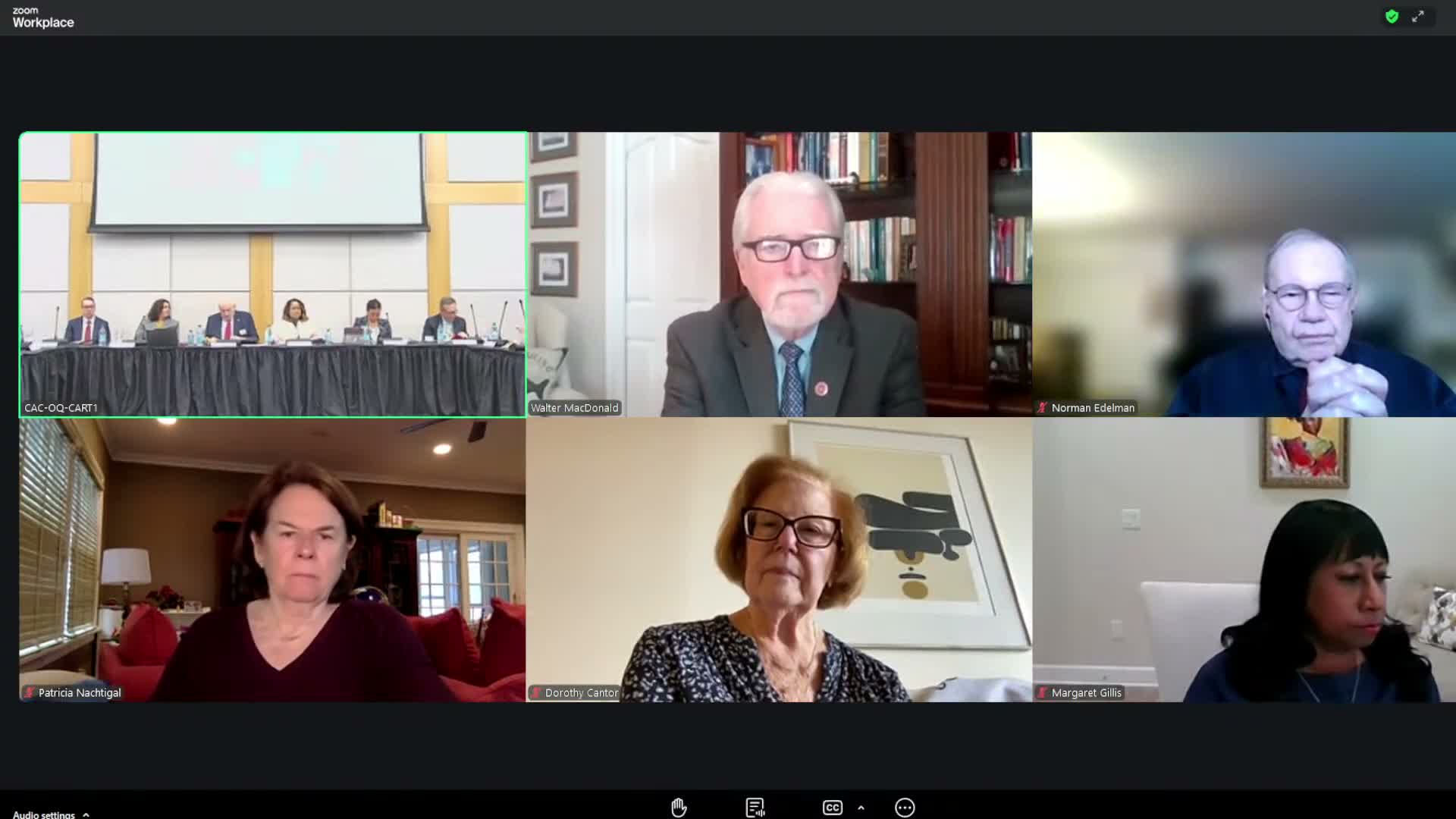
Chancellor Tanya Smith Jackson told the Board the campus is prioritizing research growth, academic excellence and visibility while using student-centered design to improve completion for Newark students. "We are serving the state of New Jersey absolutely each and every day here at Rutgers Newark," she said, emphasizing the campus' role as an urban anchor.
Jackson described Rutgers Newark’s student profile: roughly 56% Pell-eligible, 56% first-generation and 88% commuters, with about 12% living in residence halls. She said retention and six-year graduation rates compare favorably with peer urban-serving institutions and that the campus seeks to increase four-year completion rates to reduce student debt and time-to-degree.
To address bottlenecks, Jackson announced a student journey mapping project that traces a student’s experience from matriculation to graduation and identifies “potholes” — pain points where students commonly stall. Senior vice chancellor John Gunkel and vice chancellor Latoya Battle Brown walked trustees through an initial map focused on first-time, first-year students and described plans for personas (for example, single parents and justice-involved students) to tailor interventions.
Latoya Battle Brown said an infographic version of the map is expected by month’s end; the visual will be used both as a diagnostic and as a tool for donors to target support. Jackson highlighted operational changes already in place, including a recently opened one-stop center designed to centralize registration, financial-aid and advising services.
Trustees asked about marketing, distribution (syllabi, videos, Greek organizations), parking and whether the model will include near-real-time tracking like Georgia State’s approach. Jackson and colleagues said student inputs shaped the maps, that they will be shared with incoming students and used diagnostically to trigger interventions and donor outreach.
Jackson described Rutgers Newark’s student profile: roughly 56% Pell-eligible, 56% first-generation and 88% commuters, with about 12% living in residence halls. She said retention and six-year graduation rates compare favorably with peer urban-serving institutions and that the campus seeks to increase four-year completion rates to reduce student debt and time-to-degree.
To address bottlenecks, Jackson announced a student journey mapping project that traces a student’s experience from matriculation to graduation and identifies “potholes” — pain points where students commonly stall. Senior vice chancellor John Gunkel and vice chancellor Latoya Battle Brown walked trustees through an initial map focused on first-time, first-year students and described plans for personas (for example, single parents and justice-involved students) to tailor interventions.
Latoya Battle Brown said an infographic version of the map is expected by month’s end; the visual will be used both as a diagnostic and as a tool for donors to target support. Jackson highlighted operational changes already in place, including a recently opened one-stop center designed to centralize registration, financial-aid and advising services.
Trustees asked about marketing, distribution (syllabi, videos, Greek organizations), parking and whether the model will include near-real-time tracking like Georgia State’s approach. Jackson and colleagues said student inputs shaped the maps, that they will be shared with incoming students and used diagnostically to trigger interventions and donor outreach.
Don't Miss a Word: See the Full Meeting!
Go beyond summaries. Unlock every video, transcript, and key insight with a Founder Membership.
✓
Get instant access to full meeting videos
✓
Search and clip any phrase from complete transcripts
✓
Receive AI-powered summaries & custom alerts
✓
Enjoy lifetime, unrestricted access to government data
30-day money-back guarantee
