Senate forces vote on property-tax rewrite; amendment keeps 45% residential exemption, bill fails on floor
March 03, 2026 | 2026 Utah Legislature, Utah Legislature, Utah Legislative Branch, Utah
This article was created by AI summarizing key points discussed. AI makes mistakes, so for full details and context, please refer to the video of the full meeting. Please report any errors so we can fix them. Report an error »
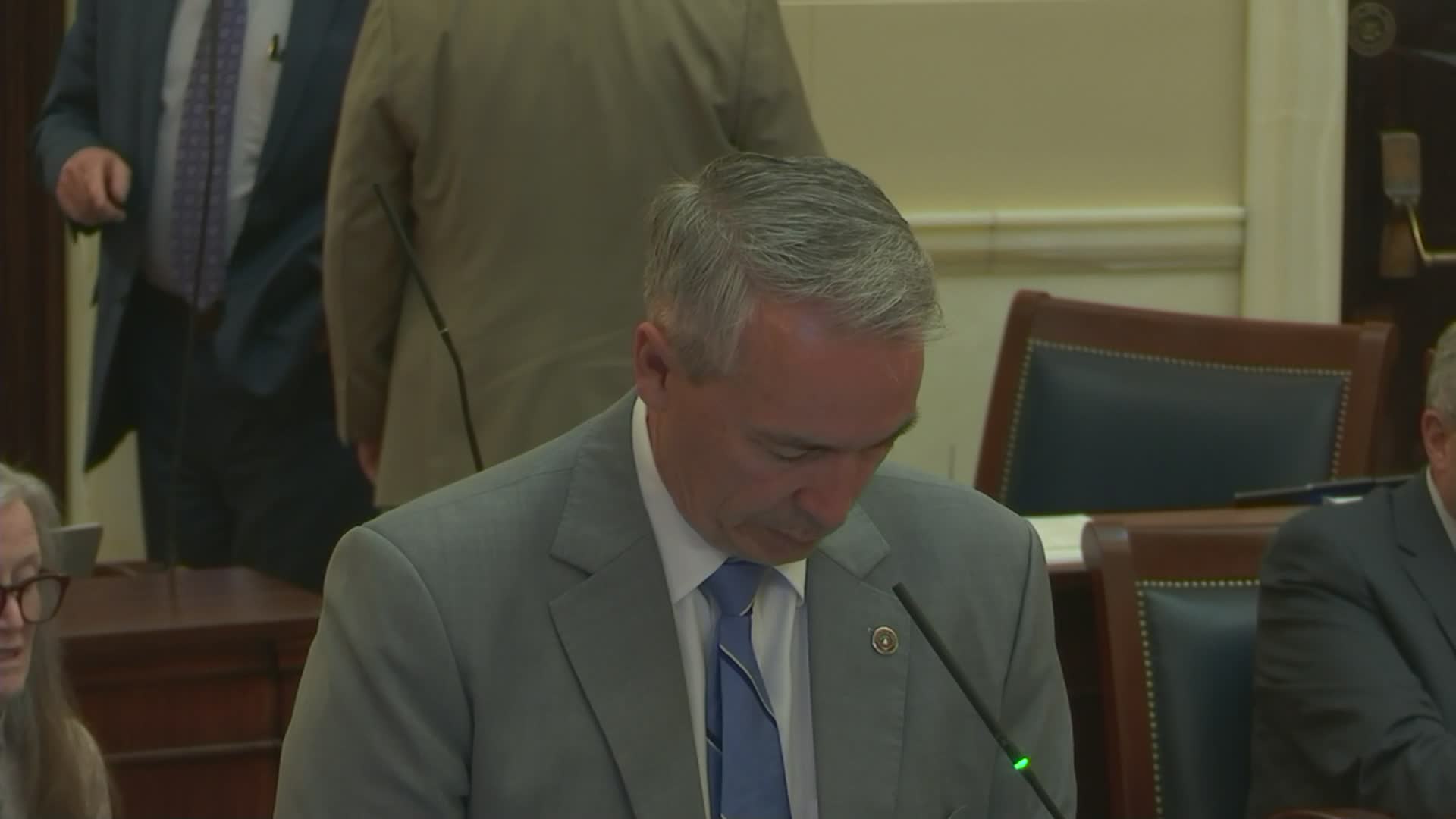
Senate Bill 97, a broad package of tax-revenue and property-tax changes, drew prolonged floor discussion before the Senate rejected a forced passage of the measure.
Sponsor Senator McKay explained that the bill clarifies new-growth calculations, addresses reserve balances at local government levels, and proposed bifurcating the residential tax exemption so rental properties would receive a smaller exemption than owner-occupied homes. Senator Musselman offered and moved Amendment 1 to the fourth substitute, which removed a provision that would reduce the residential exemption for rental housing and instead maintained a consistent 45% residential exemption for housing used as housing.
Senator Musselman argued for simplicity and neutrality in the tax system and said changes would be passed through to tenants; Senator McKay argued the bifurcation could create a modest ownership incentive and refine the treatment of new growth. Senators posed questions about whether the policy would encourage home ownership or simply increase rental costs for tenants.
The Senate approved Amendment 1. Later, under a forced vote, the forced fourth substitute for SB 97 failed (the clerk announced the forced bill had received 14 yea votes and 15 nay votes and would be returned to staff for filing). The outcome leaves the policy subject to future negotiation and underscores the floor divisions over tax treatment for rentals versus owner-occupied homes.
Sponsor Senator McKay explained that the bill clarifies new-growth calculations, addresses reserve balances at local government levels, and proposed bifurcating the residential tax exemption so rental properties would receive a smaller exemption than owner-occupied homes. Senator Musselman offered and moved Amendment 1 to the fourth substitute, which removed a provision that would reduce the residential exemption for rental housing and instead maintained a consistent 45% residential exemption for housing used as housing.
Senator Musselman argued for simplicity and neutrality in the tax system and said changes would be passed through to tenants; Senator McKay argued the bifurcation could create a modest ownership incentive and refine the treatment of new growth. Senators posed questions about whether the policy would encourage home ownership or simply increase rental costs for tenants.
The Senate approved Amendment 1. Later, under a forced vote, the forced fourth substitute for SB 97 failed (the clerk announced the forced bill had received 14 yea votes and 15 nay votes and would be returned to staff for filing). The outcome leaves the policy subject to future negotiation and underscores the floor divisions over tax treatment for rentals versus owner-occupied homes.
View the Full Meeting & All Its Details
This article offers just a summary. Unlock complete video, transcripts, and insights as a Founder Member.
✓
Watch full, unedited meeting videos
✓
Search every word spoken in unlimited transcripts
✓
AI summaries & real-time alerts (all government levels)
✓
Permanent access to expanding government content
30-day money-back guarantee
