Senate rejects third substitute for electronic signature collection bill after privacy and fiscal concerns
March 05, 2026 | 2026 Utah Legislature, Utah Legislature, Utah Legislative Branch, Utah
This article was created by AI summarizing key points discussed. AI makes mistakes, so for full details and context, please refer to the video of the full meeting. Please report any errors so we can fix them. Report an error »
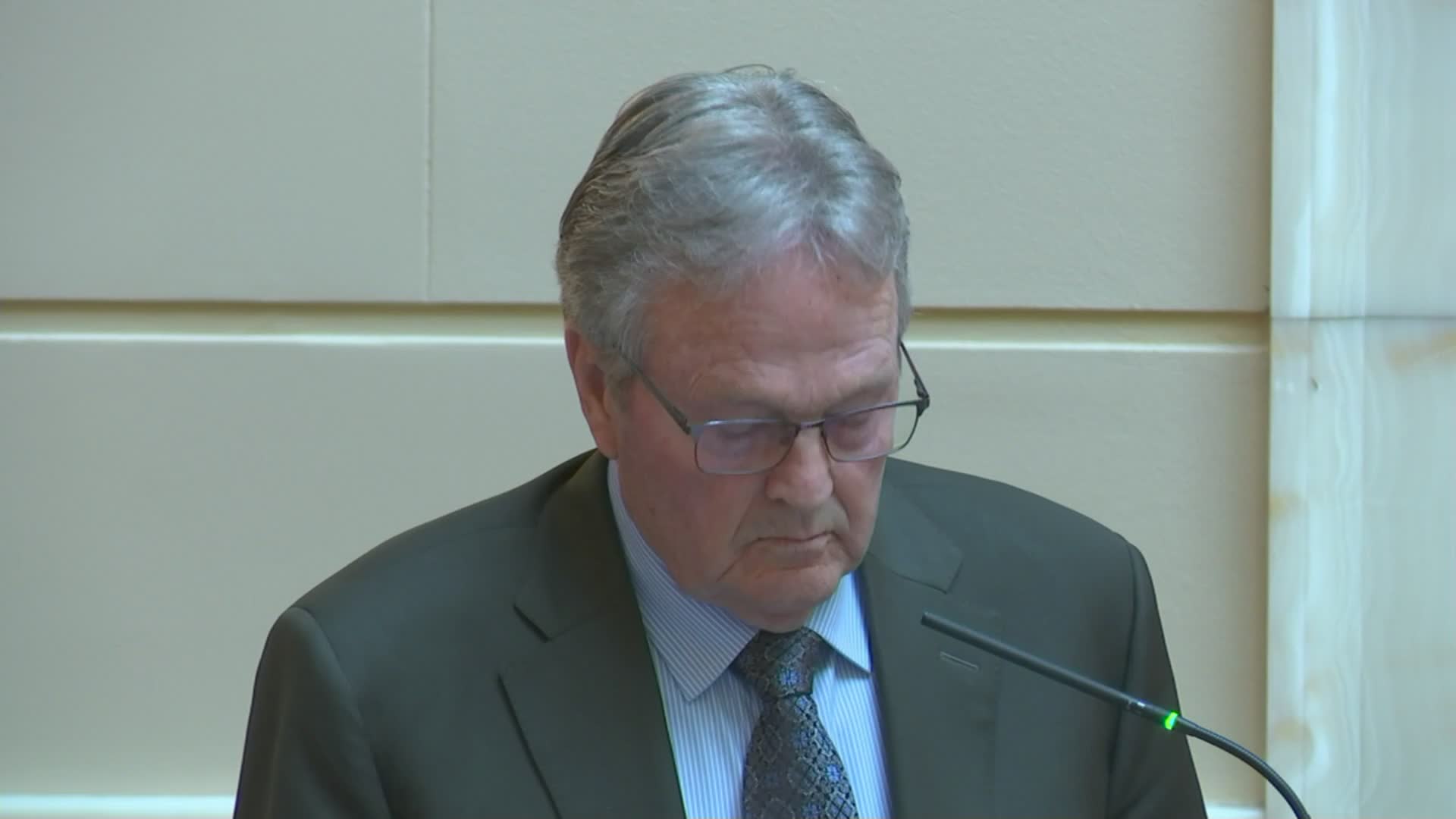
The Utah Senate debated a third substitute to House Bill 223 for more than an hour before voting the measure down on final passage. Senator Evan Stevenson, the floor sponsor, said the bill creates a transition timeline to move petition signature gathering from paper to electronic systems — 10% electronic by 2028, 50% by 2030 and 100% by 2032 — with security standards set by the lieutenant governor’s office and annual implementation reporting.
Supporters said the change would lower costs, improve verification using government-issued ID scans, reduce administrative burden and expand access for people with mobility or disability limitations. Senator Stevenson told colleagues the phased approach allows time to work through technical issues and that the lieutenant governor could halt the transition if it proved untenable.
Opponents raised several objections. Senator Vickers and others asked why candidates and petitioners had not widely adopted existing electronic options; Senator Riebe said she had tried electronic gathering and called the current paper-based process vulnerable because constituents’ personal identifying information is often handled by third parties. Senator McCall argued that mandating an electronic-first system when experience shows candidates avoid electronic collection could make it harder, not easier, for some petitioners and candidates.
A floor fiscal discrepancy also complicated the bill’s prospects: senators noted a fiscal note change discovered while the sponsor was presenting, prompting a motion to circle the bill for budget staff review. After full debate and a final recorded vote, the third substitute to HB223 failed in the Senate with 11 yea and 18 nay votes. The bill was returned to the House.
Supporters said the change would lower costs, improve verification using government-issued ID scans, reduce administrative burden and expand access for people with mobility or disability limitations. Senator Stevenson told colleagues the phased approach allows time to work through technical issues and that the lieutenant governor could halt the transition if it proved untenable.
Opponents raised several objections. Senator Vickers and others asked why candidates and petitioners had not widely adopted existing electronic options; Senator Riebe said she had tried electronic gathering and called the current paper-based process vulnerable because constituents’ personal identifying information is often handled by third parties. Senator McCall argued that mandating an electronic-first system when experience shows candidates avoid electronic collection could make it harder, not easier, for some petitioners and candidates.
A floor fiscal discrepancy also complicated the bill’s prospects: senators noted a fiscal note change discovered while the sponsor was presenting, prompting a motion to circle the bill for budget staff review. After full debate and a final recorded vote, the third substitute to HB223 failed in the Senate with 11 yea and 18 nay votes. The bill was returned to the House.
Don't Miss a Word: See the Full Meeting!
Go beyond summaries. Unlock every video, transcript, and key insight with a Founder Membership.
✓
Get instant access to full meeting videos
✓
Search and clip any phrase from complete transcripts
✓
Receive AI-powered summaries & custom alerts
✓
Enjoy lifetime, unrestricted access to government data
30-day money-back guarantee
