Senate advances data portability bill after technical cleanup and debate over implementation
March 05, 2026 | 2026 Utah Legislature, Utah Legislature, Utah Legislative Branch, Utah
This article was created by AI summarizing key points discussed. AI makes mistakes, so for full details and context, please refer to the video of the full meeting. Please report any errors so we can fix them. Report an error »
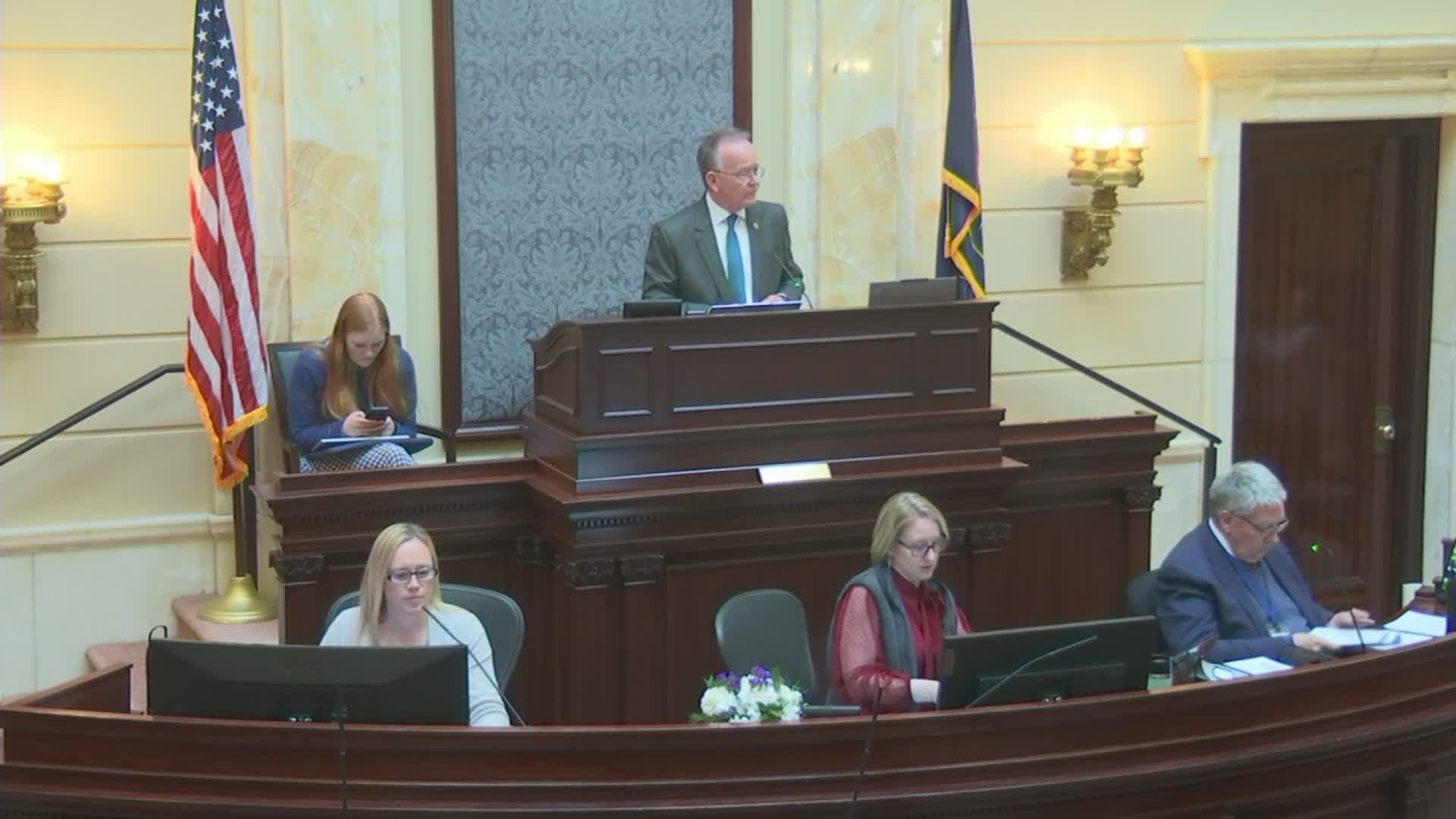
The Utah Senate on the floor passed a substituted version of House Bill 408 on data portability and social media interoperability after extended debate about technical feasibility and implementation timelines. Senator McKell, the floor sponsor, described the bill as strengthening user control by allowing users to select and transfer portions of their social media data and requiring platforms to provide mechanisms for interoperability while protecting privacy during transfers.
The bill’s sponsor, Senator McKell, said, "The bill allows users to select and transfer portions of their social media data, pictures, posts, comments, connections to another platform if they choose," and emphasized the inclusion of safe‑harbor provisions for companies facing technical limitations.
Opponents pressed for clarity on the data standards platforms must use and whether the statutory timeline is realistic. Senator Johnson said the bill was “very vague” about the standards and questioned whether the requirement is feasible for industry, analogizing it to requiring incompatible car keys to work across makes. Senator Johnson moved a substitute that would have effectively repealed the portability framework; the repeal substitute failed on a Senate vote.
Supporters argued the bill builds on last year’s portability legislation and adds cleanups and safe harbors to make implementation more workable. During floor debate senators raised specific implementation questions, including whether vendors and platforms had the necessary industry standards and whether effective dates needed delay; sponsors acknowledged implementation challenges and used procedural circling at points to obtain fiscal or technical clarifications.
Under the final recorded roll call on the substituted measure the Senate voted to pass the bill; the chamber recorded the bill as having passed and will return it to the House for further consideration. Sponsors stated they would continue stakeholder work with industry and the executive branch to resolve technical questions and to finalize effective dates and fiscal details.
The Senate’s recorded discussion and subsequent procedural steps left several technical implementation questions open; sponsors said they had included safe‑harbor language to address temporary technical failures and would work with industry on standards and timelines. The bill was circled at points in the floor process for follow‑up on fiscal notes and implementation details prior to final concurrence in the other chamber.
The next steps: the bill will be returned to the House for consideration of the Senate substitute. Sponsors indicated additional technical clarifications and possible effective‑date adjustments may be addressed before final enactment.
The bill’s sponsor, Senator McKell, said, "The bill allows users to select and transfer portions of their social media data, pictures, posts, comments, connections to another platform if they choose," and emphasized the inclusion of safe‑harbor provisions for companies facing technical limitations.
Opponents pressed for clarity on the data standards platforms must use and whether the statutory timeline is realistic. Senator Johnson said the bill was “very vague” about the standards and questioned whether the requirement is feasible for industry, analogizing it to requiring incompatible car keys to work across makes. Senator Johnson moved a substitute that would have effectively repealed the portability framework; the repeal substitute failed on a Senate vote.
Supporters argued the bill builds on last year’s portability legislation and adds cleanups and safe harbors to make implementation more workable. During floor debate senators raised specific implementation questions, including whether vendors and platforms had the necessary industry standards and whether effective dates needed delay; sponsors acknowledged implementation challenges and used procedural circling at points to obtain fiscal or technical clarifications.
Under the final recorded roll call on the substituted measure the Senate voted to pass the bill; the chamber recorded the bill as having passed and will return it to the House for further consideration. Sponsors stated they would continue stakeholder work with industry and the executive branch to resolve technical questions and to finalize effective dates and fiscal details.
The Senate’s recorded discussion and subsequent procedural steps left several technical implementation questions open; sponsors said they had included safe‑harbor language to address temporary technical failures and would work with industry on standards and timelines. The bill was circled at points in the floor process for follow‑up on fiscal notes and implementation details prior to final concurrence in the other chamber.
The next steps: the bill will be returned to the House for consideration of the Senate substitute. Sponsors indicated additional technical clarifications and possible effective‑date adjustments may be addressed before final enactment.
View the Full Meeting & All Its Details
This article offers just a summary. Unlock complete video, transcripts, and insights as a Founder Member.
✓
Watch full, unedited meeting videos
✓
Search every word spoken in unlimited transcripts
✓
AI summaries & real-time alerts (all government levels)
✓
Permanent access to expanding government content
30-day money-back guarantee
