Senate passes childcare workforce‑standards board bill after heated floor debate
March 04, 2026 | Legislative Sessions, Washington
This article was created by AI summarizing key points discussed. AI makes mistakes, so for full details and context, please refer to the video of the full meeting. Please report any errors so we can fix them. Report an error »
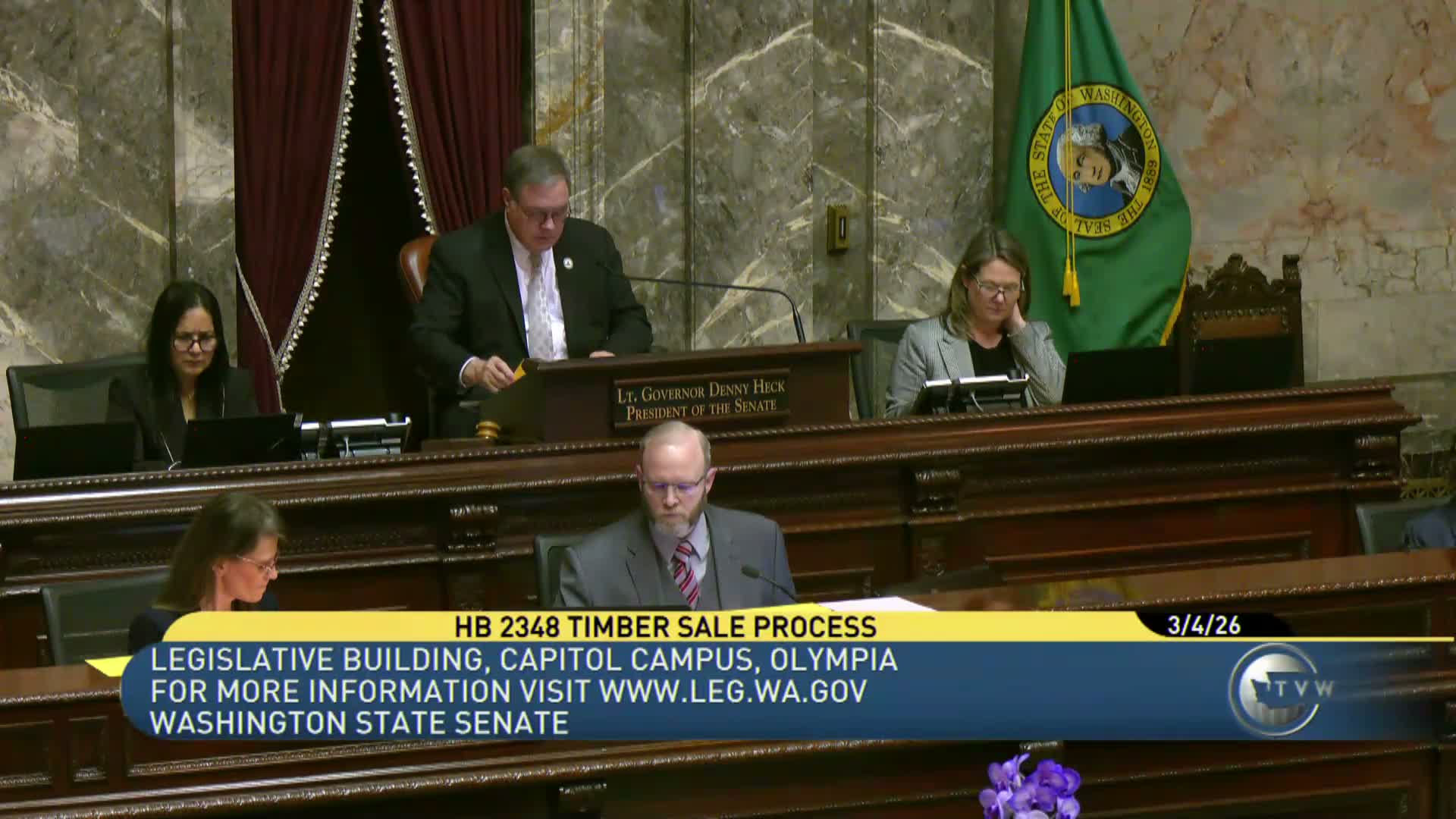
The Washington State Senate passed second substitute House Bill 11‑28 on March 3 after extended floor debate over the role and scope of a new childcare workforce standards board.
Senator Mona Saldana, sponsor of the senate‑amended striking language, said the board will "bring together equal membership of workforce and providers" to study background‑check costs, fingerprinting, health screening requirements and training, producing recommendations for the Legislature. "This board will center workers' voices and the providers who deliver care," Saldana said.
Opponents, led by Senator John King, said the bill duplicates existing state bodies and risks driving up costs. "We already have boards at DCYF and other agencies that look at these issues," King said, arguing the new board could add requirements that raise the price of childcare.
Other members debated narrower points of the bill. Senator King offered multiple amendments aimed at limiting the board's remit and setting an expiration date; an amendment to set the board to expire July 1, 2028, was rejected after senators argued it would not give the board enough time to produce recommendations. Senator King and others repeatedly warned the board’s recommendations would likely call for more funding and regulation, which they said could worsen affordability.
Senator Patty Conway, speaking in favor, said the board is a starting point to address a statewide childcare crisis and to professionalize an underpaid workforce. "Child care is critical for working families," Conway said. Proponents said the panel would produce transparent reports, allow for minority views when members disagree, and commission an independent study of fund distribution and regional impacts.
The bill drew several amendment votes: a striking amendment creating the workforce board (amendment 0849) was adopted by division after debate; subsequent amendments to clarify membership, priorities and training requirements were both adopted and rejected in turn. The final roll call showed 28 yeas, 19 nays and 2 excused; the presiding officer declared the second substitute House Bill 11‑28, as amended, passed.
Supporters described the bill as a research and recommendation body, not an immediate expansion of regulation. Opponents said the state already has bodies that address workplace safety and child welfare, and cautioned that more studies and boards have not resolved affordability. Several senators urged that any recommendations be accompanied by clear fiscal impacts and implementation plans before new mandates are adopted.
Next steps: the enacted bill will require the board to convene and report back with recommendations; details on membership, reporting deadlines and required studies were set in the amendments the Senate adopted. The bill, as passed by the Senate, moves next to the process required for enrollment and transmittal to the governor.
Senator Mona Saldana, sponsor of the senate‑amended striking language, said the board will "bring together equal membership of workforce and providers" to study background‑check costs, fingerprinting, health screening requirements and training, producing recommendations for the Legislature. "This board will center workers' voices and the providers who deliver care," Saldana said.
Opponents, led by Senator John King, said the bill duplicates existing state bodies and risks driving up costs. "We already have boards at DCYF and other agencies that look at these issues," King said, arguing the new board could add requirements that raise the price of childcare.
Other members debated narrower points of the bill. Senator King offered multiple amendments aimed at limiting the board's remit and setting an expiration date; an amendment to set the board to expire July 1, 2028, was rejected after senators argued it would not give the board enough time to produce recommendations. Senator King and others repeatedly warned the board’s recommendations would likely call for more funding and regulation, which they said could worsen affordability.
Senator Patty Conway, speaking in favor, said the board is a starting point to address a statewide childcare crisis and to professionalize an underpaid workforce. "Child care is critical for working families," Conway said. Proponents said the panel would produce transparent reports, allow for minority views when members disagree, and commission an independent study of fund distribution and regional impacts.
The bill drew several amendment votes: a striking amendment creating the workforce board (amendment 0849) was adopted by division after debate; subsequent amendments to clarify membership, priorities and training requirements were both adopted and rejected in turn. The final roll call showed 28 yeas, 19 nays and 2 excused; the presiding officer declared the second substitute House Bill 11‑28, as amended, passed.
Supporters described the bill as a research and recommendation body, not an immediate expansion of regulation. Opponents said the state already has bodies that address workplace safety and child welfare, and cautioned that more studies and boards have not resolved affordability. Several senators urged that any recommendations be accompanied by clear fiscal impacts and implementation plans before new mandates are adopted.
Next steps: the enacted bill will require the board to convene and report back with recommendations; details on membership, reporting deadlines and required studies were set in the amendments the Senate adopted. The bill, as passed by the Senate, moves next to the process required for enrollment and transmittal to the governor.
Don't Miss a Word: See the Full Meeting!
Go beyond summaries. Unlock every video, transcript, and key insight with a Founder Membership.
✓
Get instant access to full meeting videos
✓
Search and clip any phrase from complete transcripts
✓
Receive AI-powered summaries & custom alerts
✓
Enjoy lifetime, unrestricted access to government data
30-day money-back guarantee
