University of Minnesota presents systemwide undergraduate health‑science pathways; clinical-site shortages cited as key constraint
May 10, 2025 | University of Minnesota, Public Universities Board of Trustees Meeting, School Boards, Minnesota
This article was created by AI summarizing key points discussed. AI makes mistakes, so for full details and context, please refer to the video of the full meeting. Please report any errors so we can fix them. Report an error »
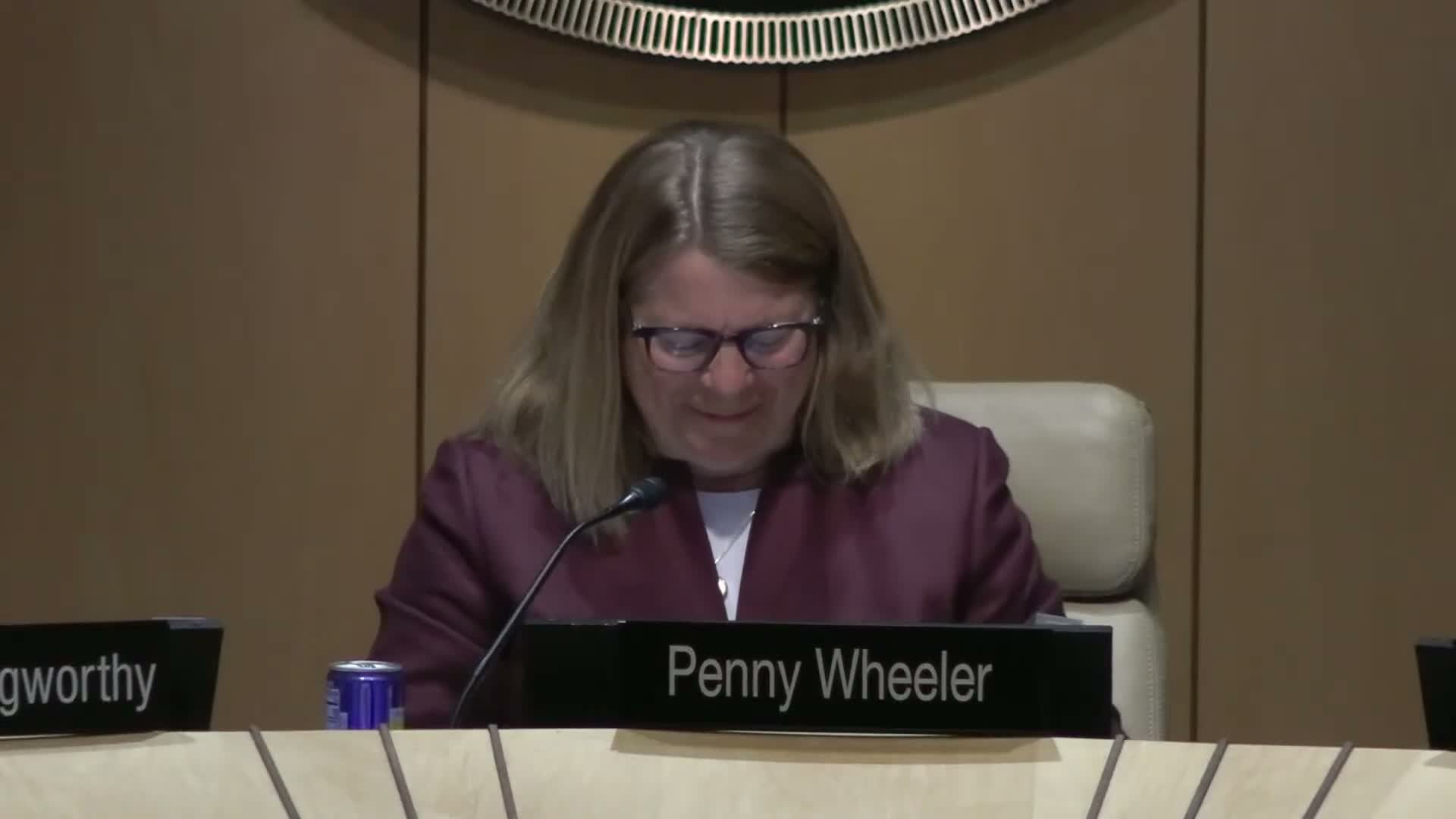
University of Minnesota leaders told the Board of Regents’ health‑care committee that the system’s five campuses offer a broad set of undergraduate pathways into health careers and that placement outcomes for program graduates are strong, but that scaling those pipelines is constrained primarily by available clinical training sites and student affordability.
Vice President Tolar framed the presentation around a systemwide network of training sites with wide geographic reach; he pointed out that the medical school and health‑science programs generate substantial revenue and serve as a backbone for statewide clinician training. Presenters from multiple campuses described examples: an early‑admission VetFAST program to address food‑animal veterinarian shortages, a health‑care management online degree serving working professionals, a bachelor’s in mortuary science tied to long-established placement rates, and accelerated nursing and dental‑hygiene pathways that shorten time to degree.
Dean Connie Delaney (School of Nursing) and campus chancellors told regents that the number‑one barrier to admitting and graduating more nurses is the limited availability of clinical sites for hands‑on training; Delaney said the applicant pool exists, but clinical placements are the bottleneck. Chancellors added that financial need — not academic failure — is the leading cause of attrition at some campuses and that targeted paid internships, work‑study and early‑assurance employment scholarships are being pursued.
Regents and student representatives discussed accelerated degree models — three‑year bachelor’s options and early admission into professional programs — as ways to increase throughput and reduce student cost. Presenters said some three‑year and integrated pathways already exist (PharmD early entrance, VetFAST, 16‑month master's in nursing) and the system optimization working group will offer recommendations to further coordinate pathways across campuses.
The committee welcomed the overview and asked staff to continue work on affordability, clinical‑site capacity, and system optimization; no formal board votes were taken during the briefing.
Vice President Tolar framed the presentation around a systemwide network of training sites with wide geographic reach; he pointed out that the medical school and health‑science programs generate substantial revenue and serve as a backbone for statewide clinician training. Presenters from multiple campuses described examples: an early‑admission VetFAST program to address food‑animal veterinarian shortages, a health‑care management online degree serving working professionals, a bachelor’s in mortuary science tied to long-established placement rates, and accelerated nursing and dental‑hygiene pathways that shorten time to degree.
Dean Connie Delaney (School of Nursing) and campus chancellors told regents that the number‑one barrier to admitting and graduating more nurses is the limited availability of clinical sites for hands‑on training; Delaney said the applicant pool exists, but clinical placements are the bottleneck. Chancellors added that financial need — not academic failure — is the leading cause of attrition at some campuses and that targeted paid internships, work‑study and early‑assurance employment scholarships are being pursued.
Regents and student representatives discussed accelerated degree models — three‑year bachelor’s options and early admission into professional programs — as ways to increase throughput and reduce student cost. Presenters said some three‑year and integrated pathways already exist (PharmD early entrance, VetFAST, 16‑month master's in nursing) and the system optimization working group will offer recommendations to further coordinate pathways across campuses.
The committee welcomed the overview and asked staff to continue work on affordability, clinical‑site capacity, and system optimization; no formal board votes were taken during the briefing.
View the Full Meeting & All Its Details
This article offers just a summary. Unlock complete video, transcripts, and insights as a Founder Member.
✓
Watch full, unedited meeting videos
✓
Search every word spoken in unlimited transcripts
✓
AI summaries & real-time alerts (all government levels)
✓
Permanent access to expanding government content
30-day money-back guarantee
