Senate rejects mandate to shift initiative signature gathering entirely online
March 05, 2026 | 2026 Utah Legislature, Utah Legislature, Utah Legislative Branch, Utah
This article was created by AI summarizing key points discussed. AI makes mistakes, so for full details and context, please refer to the video of the full meeting. Please report any errors so we can fix them. Report an error »
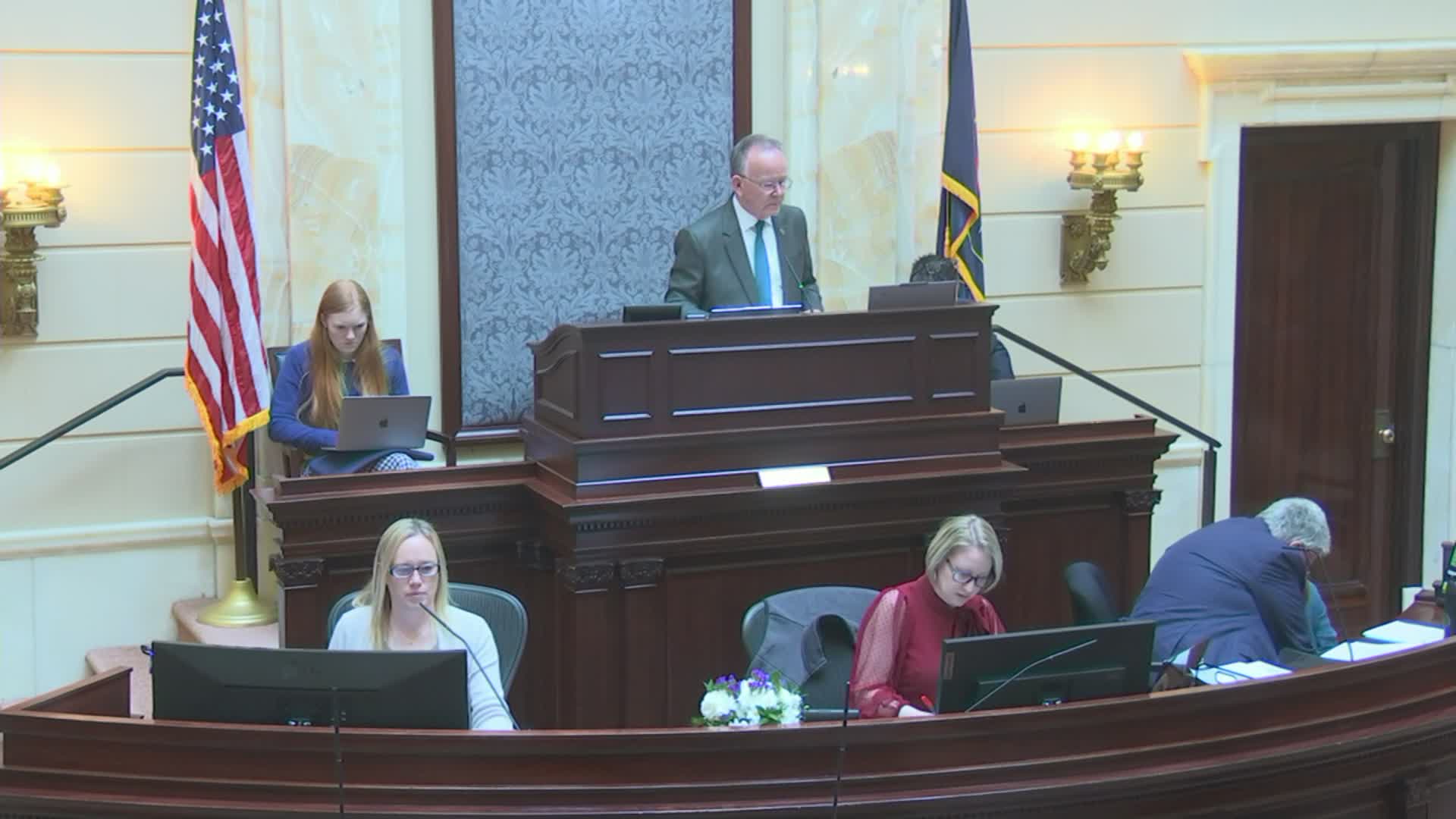
The Utah Senate on its floor day voted down the third substitute to House Bill 223, a bill that would phase in electronic signature gathering for initiatives, referendums and candidate nomination petitions, with a final deadline of 2032.
Sponsor Senator Stevenson, speaking to the chamber, described a staged transition and an administrative framework he said would lower costs and improve verification: “By 2028, at least 10% of the signatures gathered must be electronic. By 2030, at least 50% of the signatures would be electronic, and then they would go to a 100% by 2032,” he said, adding the bill would require devices and security standards set by the lieutenant governor’s office.
Supporters said the bill modernized a cumbersome, paper-based process and could expand access for people with mobility or disability challenges. Senator Riebe, who said she has attempted electronic gathering, argued it was more accessible: “If you have any kind of disability or mobility issues, it’s really hard to get in touch with somebody that has one of those packets,” she said, and expressed support for moving toward a modern system.
Opponents repeatedly raised privacy and practicality concerns. Senator McCall said the existing electronic option has seen little uptake and warned that a mandate could make the process harder for candidates: “I have a hard time mandating a process that is more difficult for candidates. If the process was better, if the process worked, the candidates would use it,” he said. Other senators also expressed unease about constituents’ personal identifying information and whether the systems would be secure and user-friendly.
Fiscal and timing issues surfaced on the floor. During his presentation Senator Stevenson acknowledged a late change in the bill’s fiscal estimate and the Senate briefly “circled” the bill (a temporary hold for further financial or legal review). Later, on final passage, the Senate recorded 11 yeas and 18 nays and the bill failed on the floor, meaning it will be returned to the House according to chamber practice.
What happens next: Because the Senate voted the bill down, the House sponsor will decide whether to revise the substitute, seek conference, or let the measure die for this session. The lieutenant governor’s office would have been charged with establishing security standards and reporting back under the version the Senate considered.
The debate centered on three questions lawmakers repeatedly raised on the record: whether the technology is mature and secure enough for a statewide, mandatory transition; whether the mandate would unintentionally disadvantage candidates and petitioners; and whether state oversight and fiscal support were adequate to implement the phased timeline.
Sponsor Senator Stevenson, speaking to the chamber, described a staged transition and an administrative framework he said would lower costs and improve verification: “By 2028, at least 10% of the signatures gathered must be electronic. By 2030, at least 50% of the signatures would be electronic, and then they would go to a 100% by 2032,” he said, adding the bill would require devices and security standards set by the lieutenant governor’s office.
Supporters said the bill modernized a cumbersome, paper-based process and could expand access for people with mobility or disability challenges. Senator Riebe, who said she has attempted electronic gathering, argued it was more accessible: “If you have any kind of disability or mobility issues, it’s really hard to get in touch with somebody that has one of those packets,” she said, and expressed support for moving toward a modern system.
Opponents repeatedly raised privacy and practicality concerns. Senator McCall said the existing electronic option has seen little uptake and warned that a mandate could make the process harder for candidates: “I have a hard time mandating a process that is more difficult for candidates. If the process was better, if the process worked, the candidates would use it,” he said. Other senators also expressed unease about constituents’ personal identifying information and whether the systems would be secure and user-friendly.
Fiscal and timing issues surfaced on the floor. During his presentation Senator Stevenson acknowledged a late change in the bill’s fiscal estimate and the Senate briefly “circled” the bill (a temporary hold for further financial or legal review). Later, on final passage, the Senate recorded 11 yeas and 18 nays and the bill failed on the floor, meaning it will be returned to the House according to chamber practice.
What happens next: Because the Senate voted the bill down, the House sponsor will decide whether to revise the substitute, seek conference, or let the measure die for this session. The lieutenant governor’s office would have been charged with establishing security standards and reporting back under the version the Senate considered.
The debate centered on three questions lawmakers repeatedly raised on the record: whether the technology is mature and secure enough for a statewide, mandatory transition; whether the mandate would unintentionally disadvantage candidates and petitioners; and whether state oversight and fiscal support were adequate to implement the phased timeline.
View the Full Meeting & All Its Details
This article offers just a summary. Unlock complete video, transcripts, and insights as a Founder Member.
✓
Watch full, unedited meeting videos
✓
Search every word spoken in unlimited transcripts
✓
AI summaries & real-time alerts (all government levels)
✓
Permanent access to expanding government content
30-day money-back guarantee
