Committee approves opt‑in AI 'sandbox' bill for Utah classrooms with guardrails
March 04, 2026 | 2026 Utah Legislature, Utah Legislature, Utah Legislative Branch, Utah
This article was created by AI summarizing key points discussed. AI makes mistakes, so for full details and context, please refer to the video of the full meeting. Please report any errors so we can fix them. Report an error »
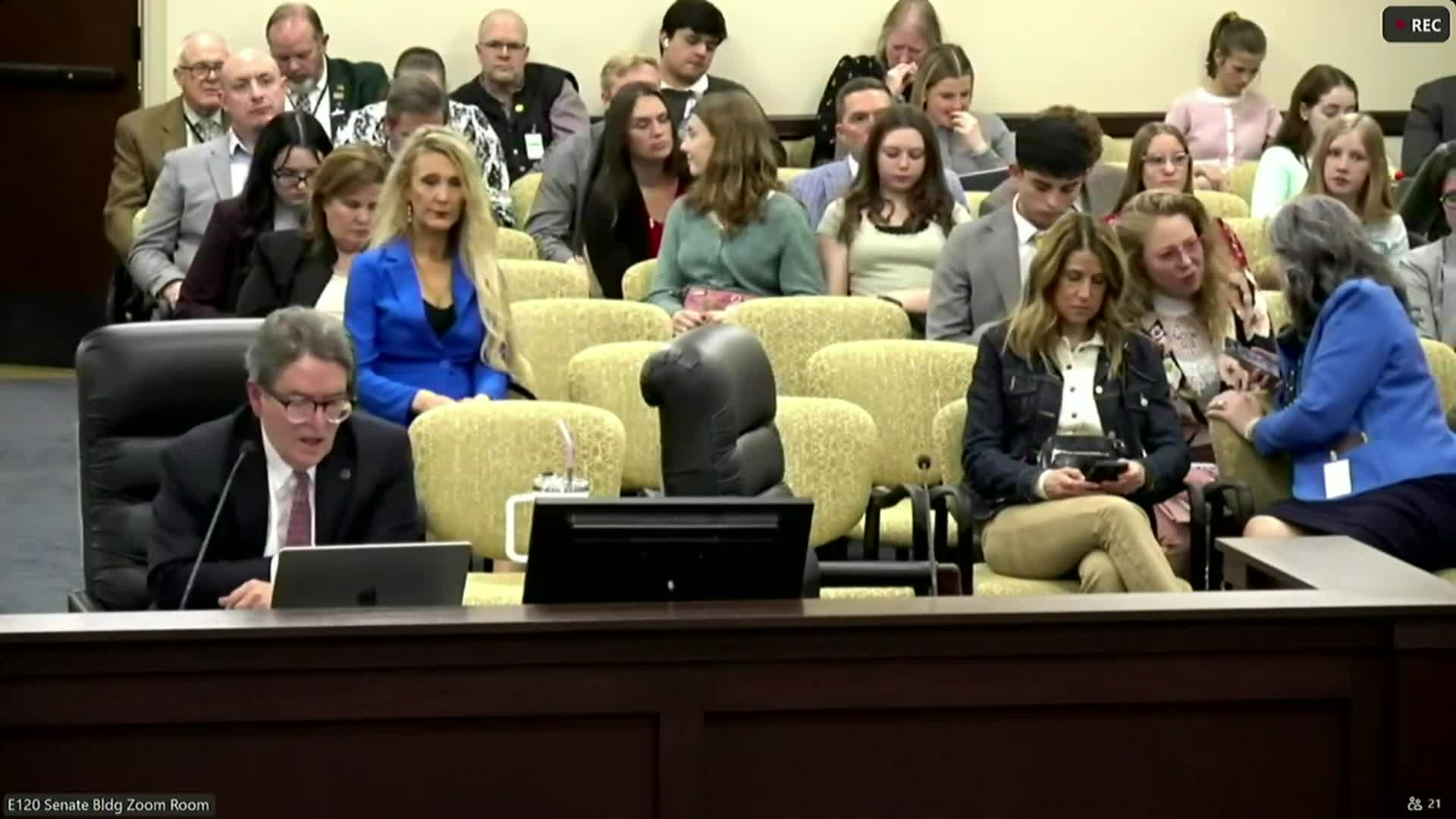
Senator Johnson presented SB 3.22 as a pilot framework to let districts test artificial intelligence tools in classrooms under strict guardrails.
The bill would create an evidence-driven regulatory sandbox: voluntary pilots limited to three years, required adversarial "red‑teaming" of vendor systems, human review before AI outputs affect grades or placements, auditing and independent evaluations, parental written notice and opt‑in, and explicit prohibitions on vendors owned by or subject to foreign adversary jurisdictions. Senator Johnson said the goal is to preserve innovation while preventing unsafe or privacy‑invasive deployments.
Representative Moss asked how the bill defines a "sandbox" and why the legislation sets minimum standards rather than broader mandates; the sponsor said the sandbox balances innovation and safety and that participation would remain opt‑in for schools and families. The sponsor emphasized that statewide adoption of AI systems would still require separate legislative authorization.
Committee action: With no public comment, the panel adopted the first substitute and recommended SB 3.22 favorably on a unanimous voice vote.
Next steps: The substitute carries to the full Legislature for further consideration; implementation details such as audits, opt‑in mechanics and red‑team standards would be developed through rulemaking and the pilot process if the bill advances.
The bill would create an evidence-driven regulatory sandbox: voluntary pilots limited to three years, required adversarial "red‑teaming" of vendor systems, human review before AI outputs affect grades or placements, auditing and independent evaluations, parental written notice and opt‑in, and explicit prohibitions on vendors owned by or subject to foreign adversary jurisdictions. Senator Johnson said the goal is to preserve innovation while preventing unsafe or privacy‑invasive deployments.
Representative Moss asked how the bill defines a "sandbox" and why the legislation sets minimum standards rather than broader mandates; the sponsor said the sandbox balances innovation and safety and that participation would remain opt‑in for schools and families. The sponsor emphasized that statewide adoption of AI systems would still require separate legislative authorization.
Committee action: With no public comment, the panel adopted the first substitute and recommended SB 3.22 favorably on a unanimous voice vote.
Next steps: The substitute carries to the full Legislature for further consideration; implementation details such as audits, opt‑in mechanics and red‑team standards would be developed through rulemaking and the pilot process if the bill advances.
View the Full Meeting & All Its Details
This article offers just a summary. Unlock complete video, transcripts, and insights as a Founder Member.
✓
Watch full, unedited meeting videos
✓
Search every word spoken in unlimited transcripts
✓
AI summaries & real-time alerts (all government levels)
✓
Permanent access to expanding government content
30-day money-back guarantee
