Committee endorses measure to include suicides caused by abuse in child‑homicide statute
March 04, 2026 | 2026 Utah Legislature, Utah Legislature, Utah Legislative Branch, Utah
This article was created by AI summarizing key points discussed. AI makes mistakes, so for full details and context, please refer to the video of the full meeting. Please report any errors so we can fix them. Report an error »
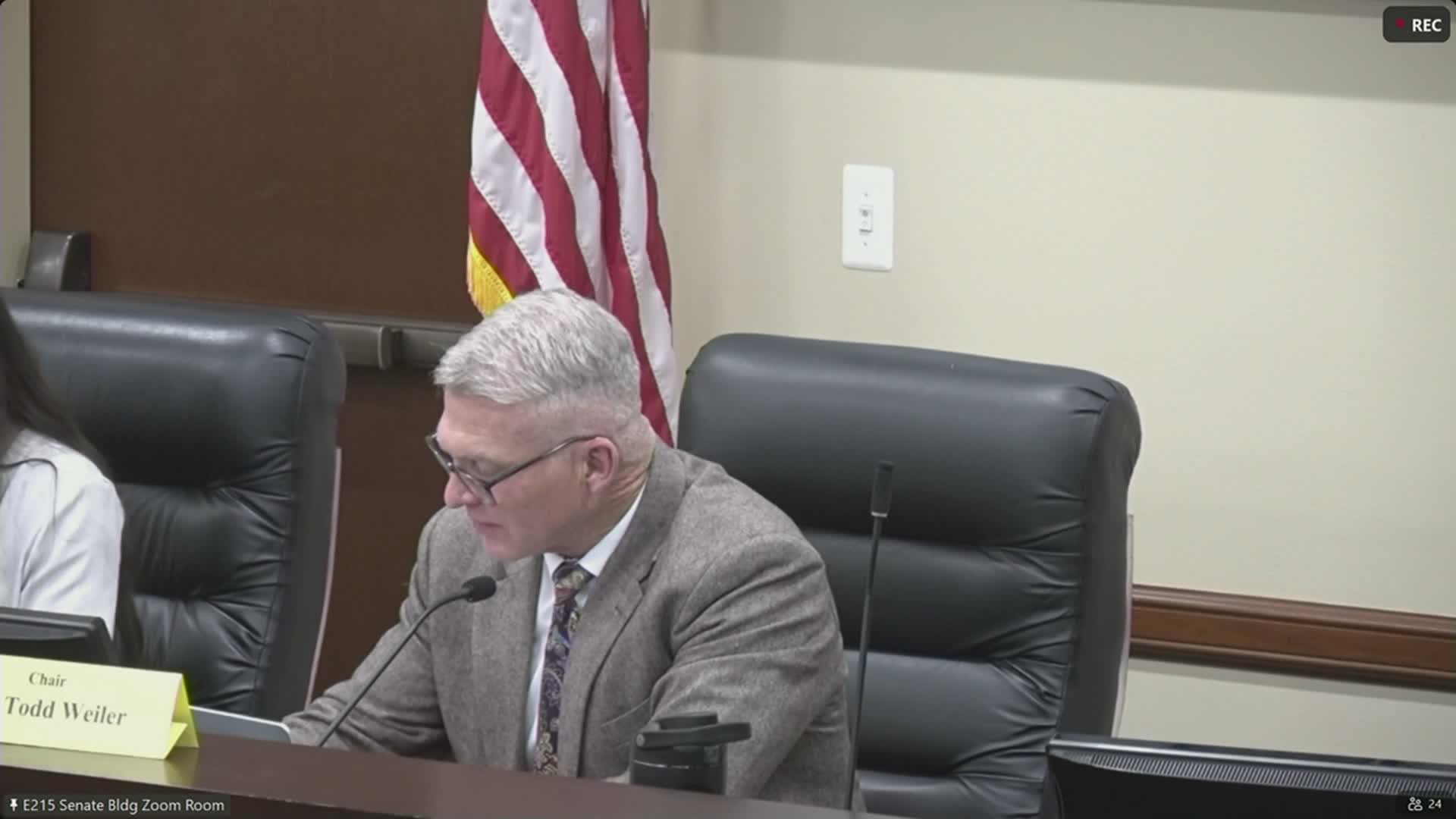
The Senate Judiciary Committee on March 4 favorably recommended second substitute HB 138, which would make a child’s suicide a qualifying death under the state’s child‑abuse homicide provisions when the suicide is a direct and proximate result of abuse.
A sponsor introduced the measure and called Detective Brent Jackson to testify. Detective Jackson (Tremont and Garland Police Department) described a pending investigation involving a 10‑year‑old who died by suicide; he told the committee investigators found ‘‘extreme amounts of child abuse’’ and said gaps in current statute can prevent charging responsible adults. Detective Jackson told the committee that in law enforcement practice ‘‘when we looked at direct and proximate, we would look at direct as standing there, you know, talking them through it… and proximate would be their conduct that caused that.’’
Committee members asked how the bill establishes causation and noted suicide often involves multiple factors, including mental health and bullying. The sponsor and law enforcement witness said it is the investigating agency’s obligation to prove causation and that the measure is targeted to cases in which evidence shows neglect or abuse was sufficiently aggravating that ‘‘a reasonable person would believe that would’’ lead to suicide.
The committee moved and favorably recommended the second substitute HB 138. Members asked sponsors to work with the drafting attorney to refine trigger language (the transcript records both a unanimous announcement and a later tally of 3–1; the committee recorded the motion as passing). Sponsors said they will review direct/proximate wording before the bill reaches the floor.
Why it matters: The bill narrows a statutory gap prosecutors and law enforcement said can hinder charging caretakers in extreme abuse cases that culminate in a child’s suicide. Supporters say the change allows the justice system to address severe home‑based abuse that contributes directly to a child’s death.
Next steps: Sponsors will continue drafting review with the attorney before floor consideration; the bill was recommended to the Senate with the committee’s favorable recommendation.
A sponsor introduced the measure and called Detective Brent Jackson to testify. Detective Jackson (Tremont and Garland Police Department) described a pending investigation involving a 10‑year‑old who died by suicide; he told the committee investigators found ‘‘extreme amounts of child abuse’’ and said gaps in current statute can prevent charging responsible adults. Detective Jackson told the committee that in law enforcement practice ‘‘when we looked at direct and proximate, we would look at direct as standing there, you know, talking them through it… and proximate would be their conduct that caused that.’’
Committee members asked how the bill establishes causation and noted suicide often involves multiple factors, including mental health and bullying. The sponsor and law enforcement witness said it is the investigating agency’s obligation to prove causation and that the measure is targeted to cases in which evidence shows neglect or abuse was sufficiently aggravating that ‘‘a reasonable person would believe that would’’ lead to suicide.
The committee moved and favorably recommended the second substitute HB 138. Members asked sponsors to work with the drafting attorney to refine trigger language (the transcript records both a unanimous announcement and a later tally of 3–1; the committee recorded the motion as passing). Sponsors said they will review direct/proximate wording before the bill reaches the floor.
Why it matters: The bill narrows a statutory gap prosecutors and law enforcement said can hinder charging caretakers in extreme abuse cases that culminate in a child’s suicide. Supporters say the change allows the justice system to address severe home‑based abuse that contributes directly to a child’s death.
Next steps: Sponsors will continue drafting review with the attorney before floor consideration; the bill was recommended to the Senate with the committee’s favorable recommendation.
View the Full Meeting & All Its Details
This article offers just a summary. Unlock complete video, transcripts, and insights as a Founder Member.
✓
Watch full, unedited meeting videos
✓
Search every word spoken in unlimited transcripts
✓
AI summaries & real-time alerts (all government levels)
✓
Permanent access to expanding government content
30-day money-back guarantee
