Committee advances bill requiring disclosure of certain chemicals in menstrual products
March 04, 2026 | 2026 Utah Legislature, Utah Legislature, Utah Legislative Branch, Utah
This article was created by AI summarizing key points discussed. AI makes mistakes, so for full details and context, please refer to the video of the full meeting. Please report any errors so we can fix them. Report an error »
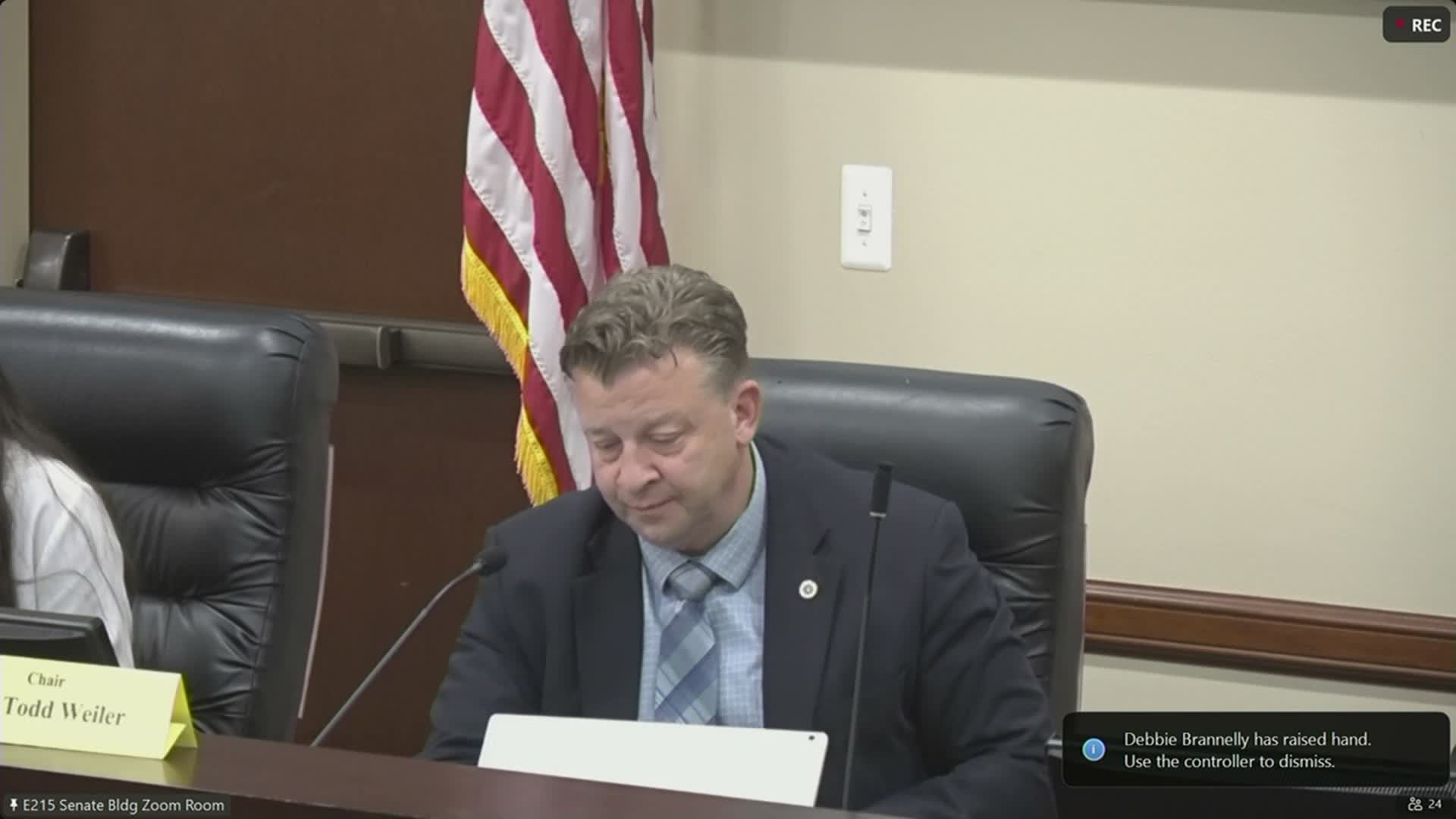
The Senate Judiciary Committee on March 4 recommended HB 442 (seventh substitute) favorably; the bill would require manufacturers of absorbent hygiene products sold in Utah to disclose certain intentionally added chemicals (dioxin, lead, arsenic, cadmium and PFAS) — disclosures that can be provided via QR code or on‑package labeling within a specified turnaround period.
Sponsor Representative Chevrier told the committee the change is about transparency and does not ban products or restrict access. The bill requires disclosure and allows a six‑month turnaround for QR code updates or 18 months for packaging changes.
Industry witnesses — including Edwin Borbonne (Center for Baby and Adult Hygiene Products), Willis Reed (Consumer Healthcare Products Association), and Erin Raden (Consumer Brands Association) — said substitute changes addressed many concerns and each testified the industry is now neutral on the refined substitute, while retaining an outstanding concern about injunctive‑relief language in enforcement. Borbonne said other states impose administrative penalties and cautioned that injunctive relief in HB 442 did not align with those states, but that the sponsor’s revisions enabled BHP to adopt a neutral position.
Public commenters included constituents urging labeling for consumer information and educators and industry representatives speaking to implementation constraints and local control. The sponsor said enforcement language was standard from the Division of Consumer Protection and that the bill is intended to increase transparency so consumers can make informed choices.
The committee voted to favorably recommend the substitute; the transcript records unanimous committee support in that segment (5–0 or 6–0 noted in the record). The bill will go to the Senate floor with a favorable recommendation.
Why it matters: Supporters framed the bill as advancing consumer transparency about chemicals that may be absorbed through intimate tissues; industry witnesses said they appreciated sponsor engagement and the revised substitute but flagged enforcement language for future work.
Next steps: HB 442 will be scheduled for floor consideration with a favorable committee recommendation; sponsors and industry said they will continue to work on enforcement language.
Sponsor Representative Chevrier told the committee the change is about transparency and does not ban products or restrict access. The bill requires disclosure and allows a six‑month turnaround for QR code updates or 18 months for packaging changes.
Industry witnesses — including Edwin Borbonne (Center for Baby and Adult Hygiene Products), Willis Reed (Consumer Healthcare Products Association), and Erin Raden (Consumer Brands Association) — said substitute changes addressed many concerns and each testified the industry is now neutral on the refined substitute, while retaining an outstanding concern about injunctive‑relief language in enforcement. Borbonne said other states impose administrative penalties and cautioned that injunctive relief in HB 442 did not align with those states, but that the sponsor’s revisions enabled BHP to adopt a neutral position.
Public commenters included constituents urging labeling for consumer information and educators and industry representatives speaking to implementation constraints and local control. The sponsor said enforcement language was standard from the Division of Consumer Protection and that the bill is intended to increase transparency so consumers can make informed choices.
The committee voted to favorably recommend the substitute; the transcript records unanimous committee support in that segment (5–0 or 6–0 noted in the record). The bill will go to the Senate floor with a favorable recommendation.
Why it matters: Supporters framed the bill as advancing consumer transparency about chemicals that may be absorbed through intimate tissues; industry witnesses said they appreciated sponsor engagement and the revised substitute but flagged enforcement language for future work.
Next steps: HB 442 will be scheduled for floor consideration with a favorable committee recommendation; sponsors and industry said they will continue to work on enforcement language.
Don't Miss a Word: See the Full Meeting!
Go beyond summaries. Unlock every video, transcript, and key insight with a Founder Membership.
✓
Get instant access to full meeting videos
✓
Search and clip any phrase from complete transcripts
✓
Receive AI-powered summaries & custom alerts
✓
Enjoy lifetime, unrestricted access to government data
30-day money-back guarantee
