Senate substitutes and advances bill to curb nonconsensual AI intimate imagery and require provenance data
March 04, 2026 | 2026 Utah Legislature, Utah Legislature, Utah Legislative Branch, Utah
This article was created by AI summarizing key points discussed. AI makes mistakes, so for full details and context, please refer to the video of the full meeting. Please report any errors so we can fix them. Report an error »
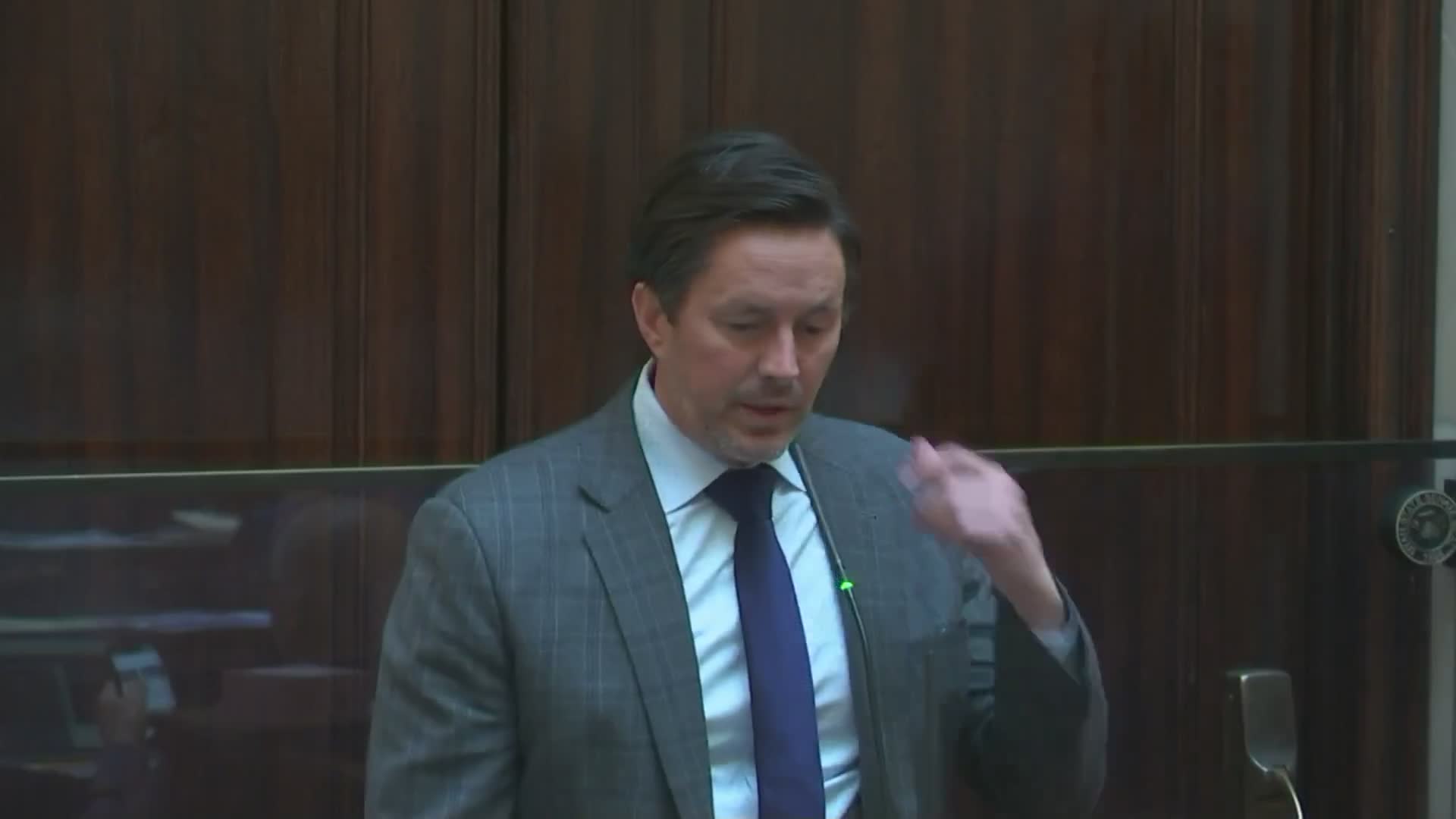
The Utah Senate advanced a substituted version of House Bill 276 that aims to address nonconsensual synthetic intimate imagery and strengthen provenance and content-labeling requirements for generative systems.
Senator Cullimore, describing the measure as the Digital Voyeurism Prevention Act, told the Senate the bill would prohibit AI systems from producing counterfeit intimate images of identifiable individuals without expressed consent and would provide a civil right of action for victims. “It prohibits AI systems from creating counterfeit intimate images of identifiable individuals without the individual's expressed consent,” Cullimore said on the floor while explaining the substitute.
The substitute also requires platforms to remove reported nonconsensual counterfeit images consistent with federal takedown expectations and mandates provenance metadata for digital content—both for covered private platforms and for state websites when there is a risk of harm to Utah residents. The Senate substituted the bill, reviewed a fiscal note, circled and later passed the second substitute (vote recorded as 23 yea, 3 nay, 3 absent).
Supporters framed the bill as narrow, victim‑protective policy paired with technical requirements to help users and platforms distinguish synthetic media from authentic photos or recordings. The bill also includes a safe-harbor calibration for platforms that never enable counterfeit generation and clarifies provenance-data download obligations.
What happens next: The bill will return to the House for further consideration and any concurrence on changes. Administrative implementation will require coordination with the Department of Public Safety and state web managers to apply provenance standards across government websites.
Senator Cullimore, describing the measure as the Digital Voyeurism Prevention Act, told the Senate the bill would prohibit AI systems from producing counterfeit intimate images of identifiable individuals without expressed consent and would provide a civil right of action for victims. “It prohibits AI systems from creating counterfeit intimate images of identifiable individuals without the individual's expressed consent,” Cullimore said on the floor while explaining the substitute.
The substitute also requires platforms to remove reported nonconsensual counterfeit images consistent with federal takedown expectations and mandates provenance metadata for digital content—both for covered private platforms and for state websites when there is a risk of harm to Utah residents. The Senate substituted the bill, reviewed a fiscal note, circled and later passed the second substitute (vote recorded as 23 yea, 3 nay, 3 absent).
Supporters framed the bill as narrow, victim‑protective policy paired with technical requirements to help users and platforms distinguish synthetic media from authentic photos or recordings. The bill also includes a safe-harbor calibration for platforms that never enable counterfeit generation and clarifies provenance-data download obligations.
What happens next: The bill will return to the House for further consideration and any concurrence on changes. Administrative implementation will require coordination with the Department of Public Safety and state web managers to apply provenance standards across government websites.
View the Full Meeting & All Its Details
This article offers just a summary. Unlock complete video, transcripts, and insights as a Founder Member.
✓
Watch full, unedited meeting videos
✓
Search every word spoken in unlimited transcripts
✓
AI summaries & real-time alerts (all government levels)
✓
Permanent access to expanding government content
30-day money-back guarantee
