Mooresville describes Skills for the Future pilot, expands summer offerings and plans community partnerships
March 04, 2026 | Mooresville Graded School District, School Districts, North Carolina
This article was created by AI summarizing key points discussed. AI makes mistakes, so for full details and context, please refer to the video of the full meeting. Please report any errors so we can fix them. Report an error »
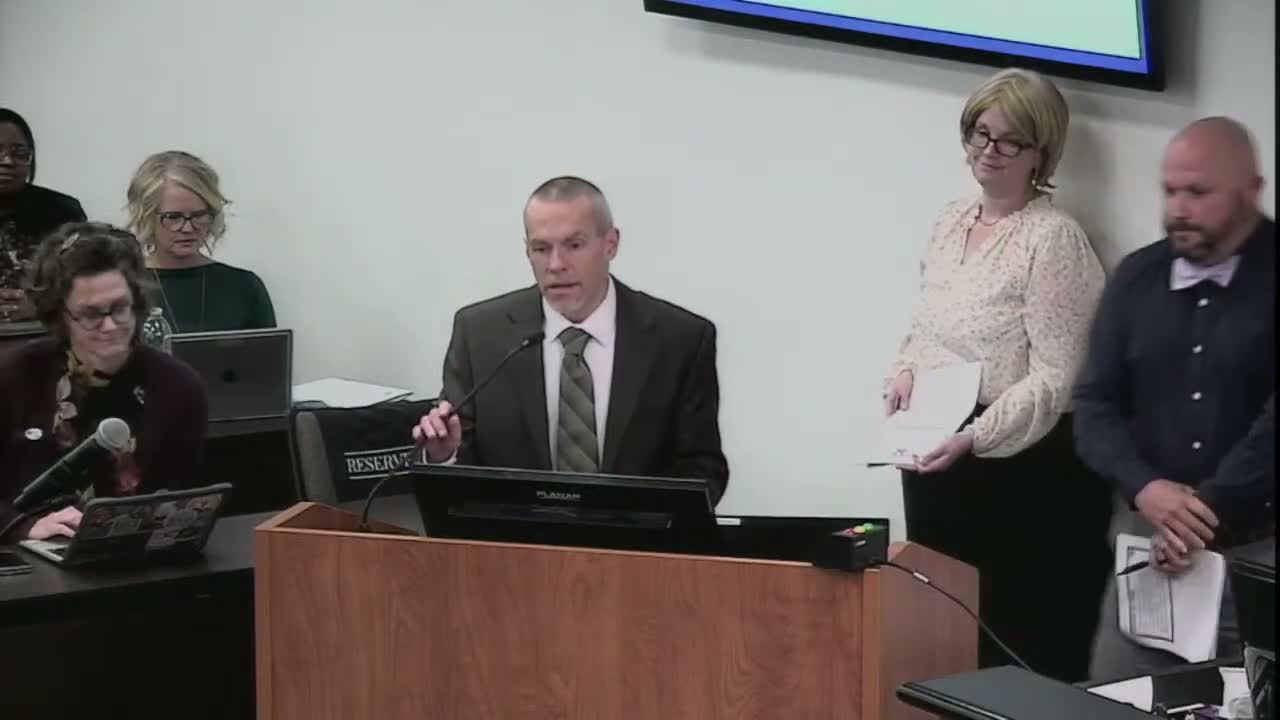
District presenters gave a multi‑part update March 3 on the Skills for the Future pilot and planned summer instructional programs.
Skills for the Future: Presenters described the pilot as a statewide initiative that Mooresville joined, noting partnerships with the North Carolina Department of Public Instruction, ETS, AASA and the Carnegie Foundation. Staff said the initiative is part of a roughly $4,000,000 funded effort to cultivate and measure durable, workplace‑aligned skills (the district framed this as aligned with the Portrait of a Graduate). For the first semester, the district reported 10 staff members in cohort 1, 182 students participating and 349 artifacts uploaded; cohort 2 will include 12 staff (10 classroom teachers) and offers stipends up to $1,650 for participants who complete program components.
Presenters emphasized classroom integration: teachers are building tasks that pair academic content with collaboration and other durable skills, uploading student artifacts and coaching new cohort teachers. The district also highlighted network and community partnership events (a March 25 virtual session) intended to recruit business leaders for classroom experiences, mentorships, and brief virtual guest visits.
Summer programs: District staff outlined summer offerings for elementary and secondary students. Elementary Readers was expanded to five classrooms (six‑week program); Read to Achieve for grades 2–3 will run five weeks with six classrooms and aims to serve roughly 80–120 students depending on program. High‑school summer school will emphasize teacher‑led, face‑to‑face credit recovery (moving away from the previously used online Apex model for some offerings) and will include jump‑start transition programs; transportation, breakfast and lunch will be provided for summer sites.
Presenters said these programs are intended to provide targeted literacy and math support, credit recovery opportunities and additional career/college readiness experiences. Board members asked about community response and participation, and presenters asked for community outreach and volunteer involvement to support business partnership elements of the pilot.
Skills for the Future: Presenters described the pilot as a statewide initiative that Mooresville joined, noting partnerships with the North Carolina Department of Public Instruction, ETS, AASA and the Carnegie Foundation. Staff said the initiative is part of a roughly $4,000,000 funded effort to cultivate and measure durable, workplace‑aligned skills (the district framed this as aligned with the Portrait of a Graduate). For the first semester, the district reported 10 staff members in cohort 1, 182 students participating and 349 artifacts uploaded; cohort 2 will include 12 staff (10 classroom teachers) and offers stipends up to $1,650 for participants who complete program components.
Presenters emphasized classroom integration: teachers are building tasks that pair academic content with collaboration and other durable skills, uploading student artifacts and coaching new cohort teachers. The district also highlighted network and community partnership events (a March 25 virtual session) intended to recruit business leaders for classroom experiences, mentorships, and brief virtual guest visits.
Summer programs: District staff outlined summer offerings for elementary and secondary students. Elementary Readers was expanded to five classrooms (six‑week program); Read to Achieve for grades 2–3 will run five weeks with six classrooms and aims to serve roughly 80–120 students depending on program. High‑school summer school will emphasize teacher‑led, face‑to‑face credit recovery (moving away from the previously used online Apex model for some offerings) and will include jump‑start transition programs; transportation, breakfast and lunch will be provided for summer sites.
Presenters said these programs are intended to provide targeted literacy and math support, credit recovery opportunities and additional career/college readiness experiences. Board members asked about community response and participation, and presenters asked for community outreach and volunteer involvement to support business partnership elements of the pilot.
View the Full Meeting & All Its Details
This article offers just a summary. Unlock complete video, transcripts, and insights as a Founder Member.
✓
Watch full, unedited meeting videos
✓
Search every word spoken in unlimited transcripts
✓
AI summaries & real-time alerts (all government levels)
✓
Permanent access to expanding government content
30-day money-back guarantee
