Task force weighs 41c½ and senior means-tested exemption, discusses asset limits and pilot options
March 05, 2026 | Concord Public Schools/Concord-Carlisle Regional District, School Boards, Massachusetts
This article was created by AI summarizing key points discussed. AI makes mistakes, so for full details and context, please refer to the video of the full meeting. Please report any errors so we can fix them. Report an error »
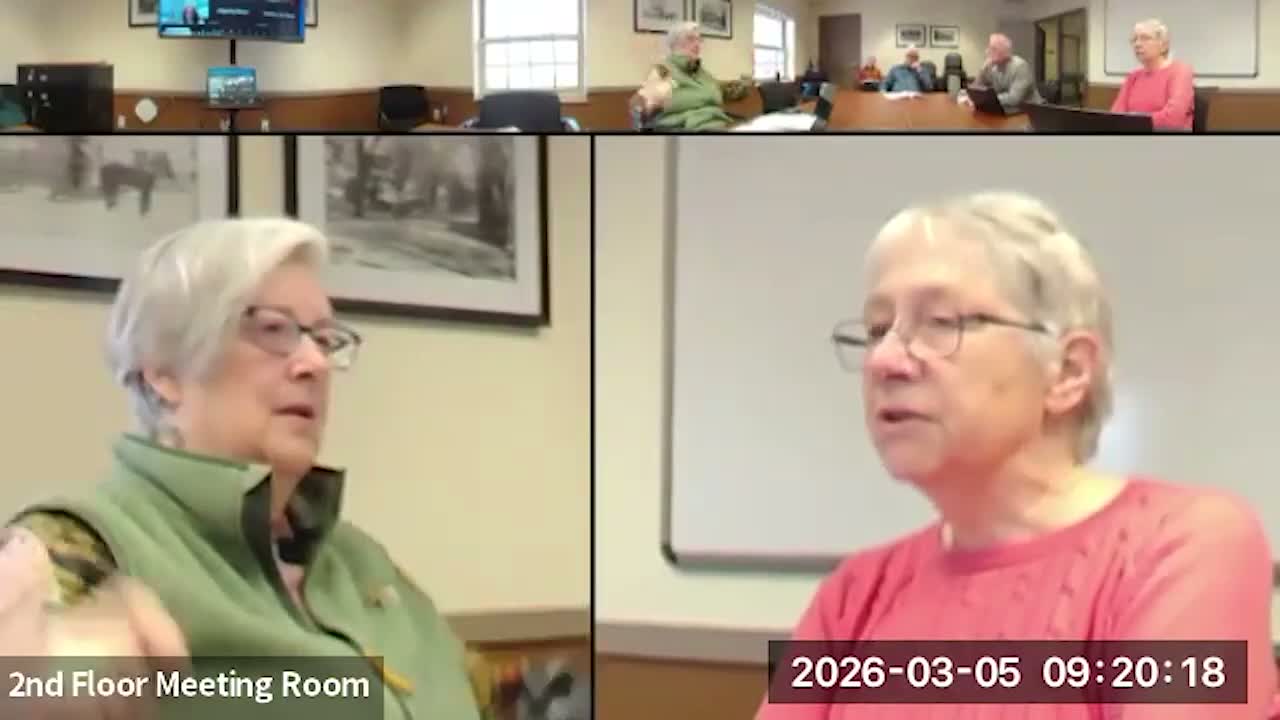
The Concord Tax Relief Evaluation Task Force spent substantial time considering which statutory pathway to recommend for senior property-tax relief and how to structure eligibility.
The chair outlined two options discussed in the draft: adopting a 41c and a half exemption (which allows a 5–20% exemption) and retaining or adjusting the senior means-tested exemption (SMTE), which can offer up to a 50% exemption but currently includes an asset test. The chair suggested the town could offer both programs and let applicants choose the path that best fits their circumstances: “I think you could offer both,” the chair said.
Members debated asset limits for SMTE. The chair proposed raising the asset limit to $500,000 (noting that a neighboring jurisdiction, phrased as “Carlisle” in discussion, uses that figure) and discussed a hypothetical $1,000,000 cap as a thought exercise, observing that even with a sizable asset cap the annual income from required minimum distributions may be modest relative to tax burdens.
Participants urged caution about overlapping benefits for projects already governed by regulatory affordability mechanisms (for example, 40B developments). Several members recommended pilots focused on small homes, condos, and accessory dwelling units (ADUs) rather than shifting benefits to large, regulated 40B projects where rents and affordability are already structured by other rules.
Next steps: the task force will ask Meredith (the assessor) to review numbers and clarify administrative limits, and members agreed to add a short political-dimension section to the executive summary to reflect community reactions encountered during interviews and town hearings.
The chair outlined two options discussed in the draft: adopting a 41c and a half exemption (which allows a 5–20% exemption) and retaining or adjusting the senior means-tested exemption (SMTE), which can offer up to a 50% exemption but currently includes an asset test. The chair suggested the town could offer both programs and let applicants choose the path that best fits their circumstances: “I think you could offer both,” the chair said.
Members debated asset limits for SMTE. The chair proposed raising the asset limit to $500,000 (noting that a neighboring jurisdiction, phrased as “Carlisle” in discussion, uses that figure) and discussed a hypothetical $1,000,000 cap as a thought exercise, observing that even with a sizable asset cap the annual income from required minimum distributions may be modest relative to tax burdens.
Participants urged caution about overlapping benefits for projects already governed by regulatory affordability mechanisms (for example, 40B developments). Several members recommended pilots focused on small homes, condos, and accessory dwelling units (ADUs) rather than shifting benefits to large, regulated 40B projects where rents and affordability are already structured by other rules.
Next steps: the task force will ask Meredith (the assessor) to review numbers and clarify administrative limits, and members agreed to add a short political-dimension section to the executive summary to reflect community reactions encountered during interviews and town hearings.
View the Full Meeting & All Its Details
This article offers just a summary. Unlock complete video, transcripts, and insights as a Founder Member.
✓
Watch full, unedited meeting videos
✓
Search every word spoken in unlimited transcripts
✓
AI summaries & real-time alerts (all government levels)
✓
Permanent access to expanding government content
30-day money-back guarantee
