Virginia Senate committee advances 47 housing-related bills, including tenant protections and manufactured-home measures
March 05, 2026 | 2026 Legislature VA, Virginia
This article was created by AI summarizing key points discussed. AI makes mistakes, so for full details and context, please refer to the video of the full meeting. Please report any errors so we can fix them. Report an error »
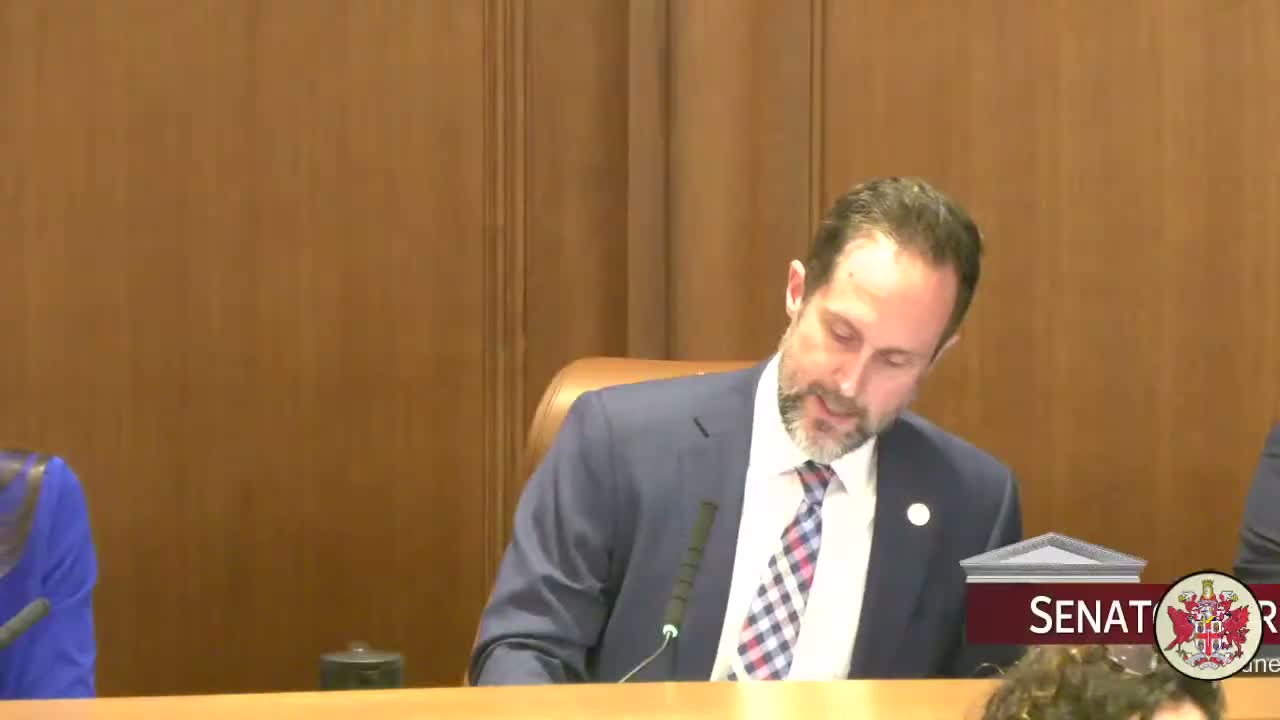
RICHMOND — The Senate committee taking up housing-related legislation reported out a block of 47 bills after a multi-hour session, advancing a package of tenant protections, manufactured-home measures and a range of related consumer and workforce items.
Senator Van Valkenburg, presenting the housing subcommittee report, said the package was organized into three sections: broad housing legislation, manufactured-home bills and changes to the Virginia Residential Landlord and Tenant Act (VRLTA). “This creates a framework for localities to preserve affordable housing by exercising a right of first refusal on publicly, supported housing as defined in the bill,” Van Valkenburg said when introducing House Bill 4, which he moved to report to the full Senate.
The committee also moved bills designed to give tenants more protections and to phase in changes to the VRLTA. Van Valkenburg told the committee the VRLTA items were intentionally split into three tiers of effective dates: the normal July 1 start date, a January 1, 2027 delayed enactment for some measures, and a July 1, 2027 delay for others “so that everybody can catch up” to the new rules.
On manufactured-home protections, the committee adopted a substitute to House Bill 374 that would require landlords subject to the Manufactured Home Lot Rental Act to itemize tenant charges on the first page of the agreement, prohibit most rent increases while a community remains out of compliance with zoning, building or fire-code violations (with limited exceptions for a new owner seeking to remediate problems) and remove an earlier registration requirement. The committee recommended reporting that substitute and referred the measure to finance for review.
Several bills were reported with recorded tallies. House Bill 39, which clarifies the process for removing restrictive covenants and requires settlement agents to notify purchasers of the option to remove restrictive covenants, was reported as amended (recorded: Ayes 15, Noes 0). Committee action on other bills included recorded roll-call results in the transcript for items such as HB356 (Ayes 9, Noes 6) and HB527 (Ayes 10, Noes 5). Many other bills were reported by voice votes.
Other notable items the committee advanced include a payment-plan requirement for certain multiunit landlords before terminating tenancies for nonpayment, statutory changes to require landlords to provide tenants with itemized statements of charges and payments on request, and measures addressing rehousing after fire damage and eviction-diversion eligibility.
The docket also included a set of non-housing bills the committee forwarded without substantial debate: HB1305 (authorizing deferred-disposition authority for professional licensing boards for low-level infractions) was reported unanimously (Ayes 15, Noes 0); HB1237, a bill allowing petitioners to seek limited maintenance rights for neglected private cemeteries when ownership is unclear, was reported after sponsors stressed due-diligence requirements and immunity for petitioners acting without gross negligence or willful misconduct.
The committee concluded its docket and rose after the final roll calls. Several bills were advanced to other committees for fiscal review or to be placed on the Senate calendar; the committee did not vote to adopt or reject any bills on final passage during this session.
What’s next: Measures reported by the committee will proceed according to Senate rules — some face additional referrals (including finance) for fiscal impact review; others will await floor consideration. The committee chair said the staggered effective dates are intended to provide localities and stakeholders time to implement changes if the bills become law.
Senator Van Valkenburg, presenting the housing subcommittee report, said the package was organized into three sections: broad housing legislation, manufactured-home bills and changes to the Virginia Residential Landlord and Tenant Act (VRLTA). “This creates a framework for localities to preserve affordable housing by exercising a right of first refusal on publicly, supported housing as defined in the bill,” Van Valkenburg said when introducing House Bill 4, which he moved to report to the full Senate.
The committee also moved bills designed to give tenants more protections and to phase in changes to the VRLTA. Van Valkenburg told the committee the VRLTA items were intentionally split into three tiers of effective dates: the normal July 1 start date, a January 1, 2027 delayed enactment for some measures, and a July 1, 2027 delay for others “so that everybody can catch up” to the new rules.
On manufactured-home protections, the committee adopted a substitute to House Bill 374 that would require landlords subject to the Manufactured Home Lot Rental Act to itemize tenant charges on the first page of the agreement, prohibit most rent increases while a community remains out of compliance with zoning, building or fire-code violations (with limited exceptions for a new owner seeking to remediate problems) and remove an earlier registration requirement. The committee recommended reporting that substitute and referred the measure to finance for review.
Several bills were reported with recorded tallies. House Bill 39, which clarifies the process for removing restrictive covenants and requires settlement agents to notify purchasers of the option to remove restrictive covenants, was reported as amended (recorded: Ayes 15, Noes 0). Committee action on other bills included recorded roll-call results in the transcript for items such as HB356 (Ayes 9, Noes 6) and HB527 (Ayes 10, Noes 5). Many other bills were reported by voice votes.
Other notable items the committee advanced include a payment-plan requirement for certain multiunit landlords before terminating tenancies for nonpayment, statutory changes to require landlords to provide tenants with itemized statements of charges and payments on request, and measures addressing rehousing after fire damage and eviction-diversion eligibility.
The docket also included a set of non-housing bills the committee forwarded without substantial debate: HB1305 (authorizing deferred-disposition authority for professional licensing boards for low-level infractions) was reported unanimously (Ayes 15, Noes 0); HB1237, a bill allowing petitioners to seek limited maintenance rights for neglected private cemeteries when ownership is unclear, was reported after sponsors stressed due-diligence requirements and immunity for petitioners acting without gross negligence or willful misconduct.
The committee concluded its docket and rose after the final roll calls. Several bills were advanced to other committees for fiscal review or to be placed on the Senate calendar; the committee did not vote to adopt or reject any bills on final passage during this session.
What’s next: Measures reported by the committee will proceed according to Senate rules — some face additional referrals (including finance) for fiscal impact review; others will await floor consideration. The committee chair said the staggered effective dates are intended to provide localities and stakeholders time to implement changes if the bills become law.
View the Full Meeting & All Its Details
This article offers just a summary. Unlock complete video, transcripts, and insights as a Founder Member.
✓
Watch full, unedited meeting videos
✓
Search every word spoken in unlimited transcripts
✓
AI summaries & real-time alerts (all government levels)
✓
Permanent access to expanding government content
30-day money-back guarantee
